The Best Time to Visit Morocco
Morocco is a vibrant country with a rich cultural heritage, offering a diverse range of experiences for travelers. From the bustling streets of Marrakech to the serene beaches of Taghazout, Morocco’s varied landscapes and climates make it an attractive destination year-round. To determine the best time to visit morocco, consider the activities you wish to pursue.
However, the ideal time to explore Morocco depends on your planned activities and preferences. Whether you’re interested in hiking in the Atlas Mountains, exploring the Sahara Desert, or simply enjoying the local cuisine, understanding Morocco’s climate and seasonal events is crucial for a memorable trip. Knowing the best time to visit morocco can enhance your experience.
With its unique blend of African, Arab, and European influences, Morocco is a fascinating destination that promises an unforgettable experience. By choosing the right time to visit, such as during the best time to visit morocco, you can make the most of your trip and enjoy all that Morocco has to offer.
Key Takeaways
- Morocco offers diverse experiences for travelers throughout the year.
- The ideal time to visit depends on your planned activities.
- Understanding Morocco’s climate is crucial for a memorable trip.
- Morocco’s unique cultural heritage promises an unforgettable experience.
- Choosing the right time to visit maximizes your travel experience.
Understanding Morocco’s Climate and Seasons
Understanding Morocco’s climate requires a look into its varied geography and the distinct seasons it experiences. Morocco’s climate is as diverse as its landscapes, ranging from the Mediterranean climate in the north to the desert climate in the south.
Overview of Morocco’s Diverse Geography
Morocco’s geography is characterized by a mix of mountains, deserts, and coastal regions. The Atlas Mountains run through the country, while the Sahara Desert lies to the south. The coastal areas along the Atlantic Ocean have a milder climate compared to the inland regions.
The diverse geography of Morocco contributes to its complex climate. For instance, the mountainous regions experience colder winters and cooler summers, whereas the desert regions are known for their extreme heat during the day and cold temperatures at night.
The Four Distinct Seasons
Morocco experiences four distinct seasons, each with its unique characteristics. The seasons are:
- Spring (March to May): Mild temperatures and blooming landscapes make spring a pleasant season.
- Summer (June to August): Hot temperatures, especially in the desert regions.
- Fall (September to November): Comfortable temperatures and fewer crowds make it an ideal time to visit.
- Winter (December to February): Cooler temperatures, with colder conditions in the mountains.
Understanding these seasons is crucial for planning a trip to Morocco, as the climate varies significantly across different regions and times of the year.
The Best Time to Visit Morocco: Season by Season
Morocco experiences four distinct seasons, each offering unique advantages and challenges for travelers. Understanding these seasonal variations is key to planning an unforgettable trip.
Spring (March to May)
Spring is a great time to visit Morocco, with mild temperatures and blooming flowers making the landscapes particularly beautiful. It’s ideal for exploring cities like Marrakech and Fez, as well as enjoying the outdoors in the Atlas Mountains. The comfortable weather makes spring a popular season, so expect some crowds at major tourist sites.
Summer (June to August)
Summer can be very hot, especially inland, where temperatures often soar above 100°F (38°C). However, the coastal areas like Essaouira offer a cooler respite, making them perfect for beachgoers. It’s also a great time for desert excursions, but be prepared for the heat.
Fall (September to November)
Fall brings comfortable temperatures again, making it an excellent time to visit Morocco. The heat of summer dissipates, and the landscapes are lush from the summer rains. It’s a wonderful season for hiking, exploring the Sahara, and enjoying the vibrant culture of Morocco’s cities.
Winter (December to February)
Winter is cool, especially in the mornings and evenings, with temperatures sometimes dropping below freezing in the mountains. However, it’s a great time to visit if you prefer cooler weather and lower prices. The coastal areas remain mild, and the Sahara can be quite pleasant during the day.
Each season in Morocco offers a unique experience, from the blooming flowers of spring to the warm winters in the desert. Planning your trip according to your preferences for weather and activities will ensure a memorable journey.
Regional Climate Variations Across Morocco
Morocco’s diverse geography gives rise to a variety of regional climates, each with its unique characteristics. The country’s landscape ranges from coastal areas to mountainous regions, deserts, and imperial cities, each experiencing different weather patterns.
Coastal Areas: Casablanca, Rabat, and Essaouira
The coastal regions of Morocco, including cities like Casablanca, Rabat, and Essaouira, enjoy a milder climate compared to the inland areas. These cities benefit from the moderating influence of the Atlantic Ocean, resulting in cooler summers and warmer winters. “The coastal breeze keeps the temperatures pleasant, making these areas ideal for tourism throughout much of the year,” as noted by travelers. The average temperature in these coastal areas ranges from 15°C to 25°C (59°F to 77°F).
Mountain Regions: Atlas Mountains and Chefchaouen
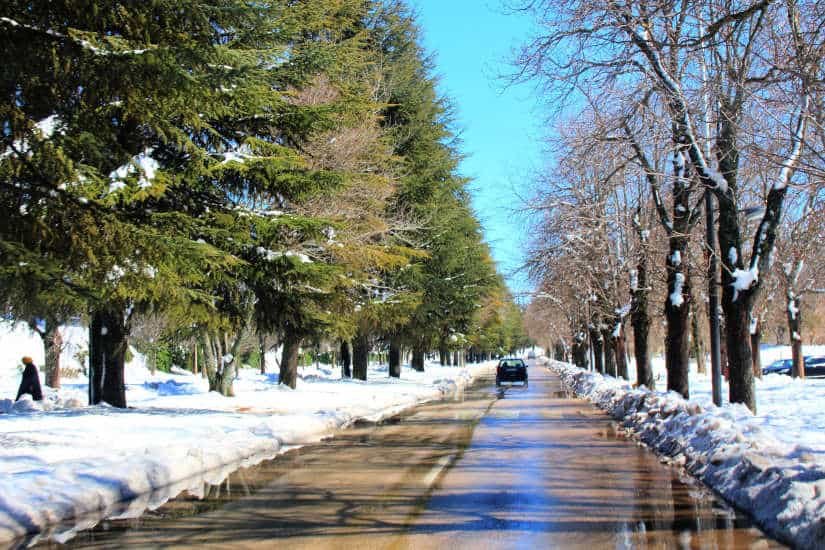
In contrast, the mountainous regions, such as the Atlas Mountains and Chefchaouen, experience a cooler climate, with snowfall common during the winter months. These areas are ideal for hiking and trekking in the spring and summer when the weather is mild and pleasant. The mountainous terrain creates a variety of microclimates, offering diverse experiences for visitors.
Desert Climate: Merzouga and the Sahara
The desert regions, including Merzouga and the Sahara Desert, are known for their extreme temperatures. Days can be scorchingly hot, while nights can be surprisingly cold, especially in the winter. Travelers to these regions should be prepared for these extremes and the stunning beauty of the desert landscapes.
Imperial Cities: Marrakech, Fez, and Meknes
The imperial cities, such as Marrakech, Fez, and Meknes, have a climate that is generally warm, with hot summers and mild winters. These cities are known for their rich cultural heritage and vibrant markets, making them attractive destinations year-round.
Understanding these regional climate variations is key to planning a successful trip to Morocco, allowing travelers to pack appropriately and make the most of their visit.
Cultural Festivals and Events Calendar
From the Rose Festival to the Gnaoua World Music Festival, Morocco’s cultural events are a treat for travelers. Morocco hosts various cultural festivals throughout the year, showcasing its rich heritage and diverse traditions.
Spring Festivals and Celebrations
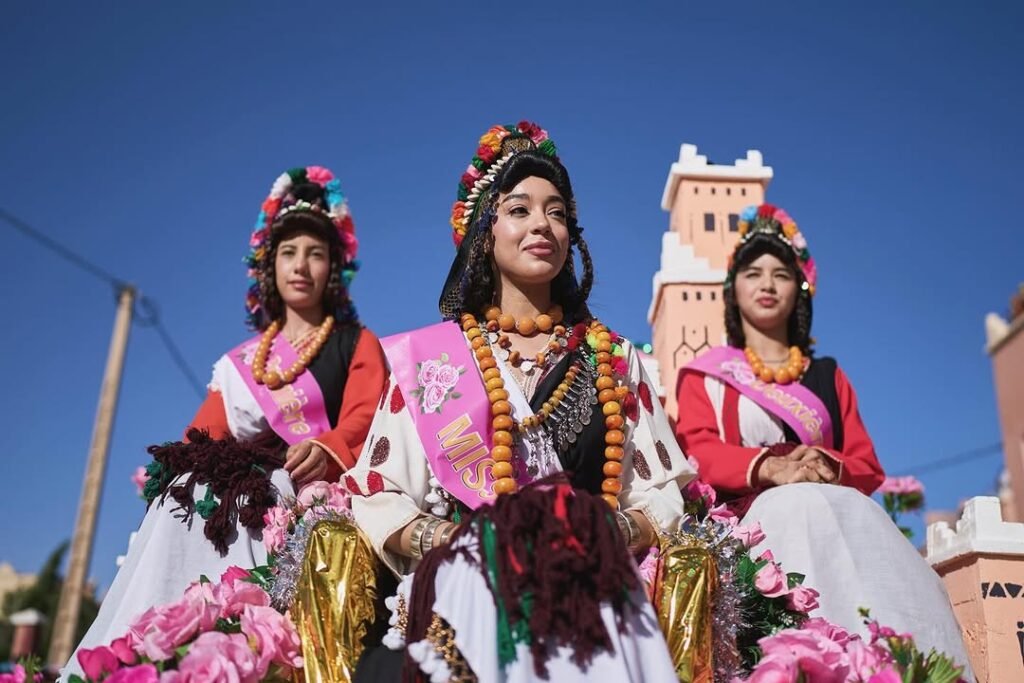
Spring in Morocco is a time of vibrant festivals, including the Rose Festival in Kelaat M’Gouna, which takes place in May. This festival celebrates the rose harvest with music, dance, and traditional rituals.
Rose Festival in Kelaat M’Gouna
The Rose Festival is a unique cultural experience, where visitors can witness the traditional rose water distillation process and enjoy local handicrafts.
Gnaoua World Music Festival
Although the Gnaoua World Music Festival typically occurs in June, it is a significant cultural event that attracts music lovers from around the world. It features a mix of traditional Gnaoua music and contemporary global rhythms.
Summer Cultural Events
Summer in Morocco is marked by various cultural events, including music festivals and traditional celebrations. These events offer a glimpse into the country’s rich cultural heritage.
Fall and Winter Festivities
As the seasons change, Morocco continues to host a range of cultural festivals. Fall and winter festivities include traditional celebrations and modern cultural events, providing a unique experience for visitors.
Morocco’s cultural festivals and events calendar is a testament to the country’s vibrant cultural landscape, offering something for every interest and travel style.
Weather Considerations for Popular Activities
To make the most of your trip to Morocco, understanding the weather considerations for popular activities is key. Morocco’s diverse climate means that different activities are best enjoyed during specific times of the year.
Desert Excursions: When to Experience the Sahara
The best time for desert excursions in Morocco is during the spring (March to May) or fall (September to November) when temperatures are more manageable. These periods allow for a more comfortable experience while exploring the Sahara Desert.
- Spring offers mild temperatures and beautiful landscapes.
- Fall provides comfortable temperatures and stunning sunsets.
Hiking and Mountain Activities
For hiking and mountain activities, the spring and fall seasons are also ideal. The Atlas Mountains are particularly beautiful during these times, with mild temperatures and lush landscapes.
Trekking in the Atlas Mountains
Trekking in the Atlas Mountains is best done in the spring when the trails are less crowded, and the scenery is particularly vibrant.
Exploring Chefchaouen
Exploring Chefchaouen, known as the “Blue City,” is a delight in the spring and fall. The mild weather makes it perfect for wandering through its narrow streets.
Beach Vacations Along the Coast
For beach vacations along Morocco’s coast, the summer months (June to August) are the most popular. However, the shoulder season (April to May and September to October) can offer a more relaxed atmosphere and pleasant temperatures.
The coastal towns like Essaouira and Taghazout are great destinations for surfers and beach lovers alike.
Ramadan and Religious Holidays: Impact on Travel
Traveling to Morocco during Ramadan can be a unique experience, but it’s essential to understand the local customs and traditions. Morocco is a country deeply rooted in Islamic culture, and Ramadan is a significant period of fasting and spiritual reflection for Muslims.
What to Expect During Ramadan
During Ramadan, many aspects of daily life in Morocco are affected. Visitors should be aware of the changes to plan their trip accordingly.
Dining and Business Hours
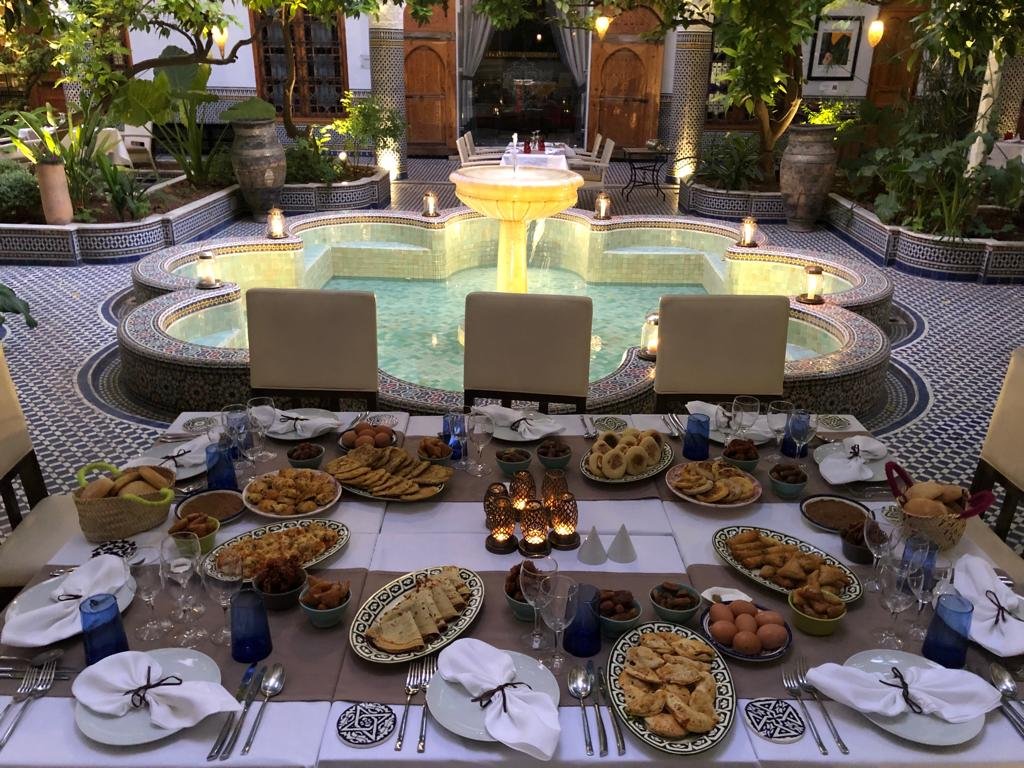
Many restaurants and cafes are closed during the day, and some may only serve food in private rooms or at specific times. Business hours can also be adjusted, with many shops closing earlier than usual. It’s advisable to eat at hotels or restaurants that cater to tourists and locals alike during iftar (break-fast) times.
Cultural Etiquette for Visitors
Visitors are expected to dress modestly and respectfully, avoiding public displays of affection. It’s also considered polite to refrain from eating, drinking, or smoking in public during fasting hours. Being mindful of these customs can significantly enhance the travel experience.
Other Religious Observances
Apart from Ramadan, Morocco celebrates other significant religious holidays, such as Eid al-Fitr and Eid al-Adha. These periods can attract large crowds and may affect tourist services. Understanding and respecting these observances can help travelers navigate the country more smoothly.
| Holiday | Date | Impact on Travel |
|---|---|---|
| Ramadan | Variable, based on Islamic calendar | Adjusted business hours, cultural restrictions |
| Eid al-Fitr | End of Ramadan | Crowds, festive atmosphere |
| Eid al-Adha | 70 days after Eid al-Fitr | Crowds, potential service disruptions |
By being informed and respectful of Morocco’s religious holidays, travelers can have a more enriching and enjoyable experience.
Budget Considerations Throughout the Year
Understanding the fluctuations in accommodation and tour prices is essential for travelers looking to explore Morocco without breaking the bank. The country’s diverse seasons and festivals significantly influence travel costs, making timing crucial for budget-conscious travelers.
High Season vs. Low Season Pricing
Morocco experiences a high season during the summer months and holidays, when prices for accommodations and tours tend to be higher. In contrast, the low season, typically during the spring and fall, offers more affordable options for travelers.
Accommodation Price Fluctuations
Accommodation prices in Morocco can vary significantly between high and low seasons. During peak travel times, luxury riads and hotels in Marrakech and Fez can command premium prices. However, during the shoulder season, travelers can find discounted rates at many establishments.
Tour and Activity Costs
Similarly, the costs of tours and activities, such as desert excursions and cultural experiences, tend to be higher during the high season. Travelers can negotiate better deals during the off-season, making it an attractive time for those on a budget.
Finding the Best Value for American Travelers
For American travelers, finding the best value in Morocco involves considering not just the cost but also the exchange rate and any travel deals that may be available. Booking accommodations and tours well in advance can help secure better rates, regardless of the season.
Packing Tips for Different Seasons
When preparing for a trip to Morocco, understanding the seasonal weather and cultural norms is crucial for packing appropriately. Morocco’s climate varies significantly across different regions and seasons, and dressing modestly is appreciated.
Essential Items Year-Round
Regardless of the season, there are certain essentials that should always be included in your luggage. These include comfortable walking shoes, sun protection (sunglasses, sunscreen, hat), and layers for cooler evenings. A universal power adapter for charging your devices is also a must.
Seasonal Packing Lists
The time of year you visit Morocco significantly influences what you should pack. For summer, light, breathable clothing is essential, while winters require warmer layers, especially for the cooler mornings and evenings.
Summer Essentials
Summer in Morocco means hot days, so pack lightweight, loose-fitting clothing that covers your shoulders and knees as a sign of respect for local customs. Don’t forget a scarf or shawl for cooler evenings or visiting mosques.
Winter Necessities
While Morocco’s winters are generally mild, the Atlas Mountains can be quite chilly. Pack warm layers, including a fleece or sweater, and consider a waterproof jacket for unexpected rain showers.
Cultural Dress Considerations
Morocco is a conservative country, and dressing modestly is appreciated by locals. For both men and women, covering shoulders and knees is a sign of respect, especially when visiting religious sites. A quote from a traveler’s guide states, “Dressing with respect for the local culture not only enhances your experience but also contributes to a positive interaction with the Moroccan people.”
“The way you dress can significantly impact your experience in Morocco. Modest clothing will make your journey smoother and more enjoyable.”
To help you prepare, here’s a simple packing guide:
| Season | Essential Items |
|---|---|
| Spring | Light layers, comfortable shoes, sun protection |
| Summer | Lightweight, breathable clothing, sun hat, sunglasses |
| Fall | Layers for cooler evenings, comfortable walking shoes |
| Winter | Warm layers, waterproof jacket, sturdy shoes |
Health and Safety Considerations by Season
Understanding the health and safety implications of Morocco’s seasonal changes is crucial for a safe and enjoyable trip. Morocco’s diverse climate means that travelers need to be prepared for various conditions throughout the year.
Summer Heat Precautions
During the summer months, Morocco can experience extreme heat, particularly in the desert regions. It’s essential to stay hydrated by drinking plenty of water and to avoid traveling during the hottest part of the day.
Protective clothing and sunscreen are also vital to prevent sunburn and heat exhaustion.
Winter Travel Challenges
Winter brings cooler temperatures, especially in the mountains, where it can be quite chilly. Travelers should be prepared for potential snow and ice on mountain roads and pack accordingly.
General Health Tips for Morocco Travel
Regardless of the season, there are general health tips that travelers to Morocco should follow. Staying hydrated and protecting oneself from the sun are crucial year-round.
Vaccinations and Medical Preparation
Before traveling to Morocco, it’s recommended to consult with a healthcare provider about necessary vaccinations and medications.
Travel Insurance Recommendations
Having comprehensive travel insurance that covers medical emergencies is highly advisable when traveling to Morocco.
| Season | Health and Safety Considerations |
|---|---|
| Summer | Heat exhaustion, dehydration, sunburn |
| Winter | Cold temperatures, potential snow and ice |
| Year-Round | Staying hydrated, sun protection, vaccinations |
Itinerary Suggestions Based on Travel Season
Morocco’s diverse landscapes and cultures make it a fascinating destination, with each season offering unique experiences. Whether you’re looking for a cultural tour, a beach vacation, or an adventure in the mountains, Morocco has something to offer.
Spring Itineraries
Spring is a great time for a cultural tour in Morocco, with mild temperatures and blooming landscapes. Here are some itinerary suggestions:
Two-Week Cultural Tour
This tour covers major cities like Marrakech, Fez, and Rabat, with stops at historical sites and cultural events. You’ll experience the vibrant souks, try local cuisine, and visit ancient ruins.
One-Week Highlights
For a shorter trip, focus on Marrakech and the Atlas Mountains. Enjoy hiking, explore local villages, and relax in a riad.
Summer Travel Routes
Summer is ideal for beach vacations along Morocco’s coast. Consider visiting Essaouira and Taghazout for surfing and beach activities. For a more adventurous trip, head to the Sahara Desert for desert camping and stargazing.
Fall and Winter Exploration
Fall and winter offer comfortable temperatures for exploring Morocco’s cities and mountains. Visit the Imperial Cities during fall to enjoy the mild weather and cultural festivals. In winter, head to the Atlas Mountains for skiing and snowboarding.
- Spring: Cultural tours and hiking
- Summer: Beach vacations and desert excursions
- Fall: City exploration and cultural events
- Winter: Skiing and mountain activities
Conclusion: Planning Your Perfect Moroccan Adventure
With its diverse landscapes, rich culture, and varied activities, Morocco has something to offer every kind of traveler. Effective Morocco travel planning involves considering the time of year and your personal preferences to make the most of your trip.
By understanding Morocco’s climate and seasons, you can choose the best time to visit and enjoy activities such as desert excursions, hiking, or simply relaxing on the coast. Cultural festivals and events add to the country’s allure, with experiences ranging from vibrant festivals to serene religious observances.
To embark on your perfect Moroccan adventure, consider your budget, pack accordingly, and stay informed about health and safety considerations. With careful planning, you can have a memorable and enriching experience in this captivating country.
Start planning your trip today and get ready to immerse yourself in the beauty and charm of Morocco, creating unforgettable memories along the way.