Moroccan
gastronomy
“In Morocco, cooking isn't food. It's love, served on a plate.”
Iconic dishes
Five dishes that capture the culinary soul of Morocco. Each tells a story, a region, a savoir-faire.
Tajine
The king of Moroccan dishes. Lamb with prunes, chicken with preserved lemon and olives, kefta with egg, vegetables... Every family has its secret recipe. Slow-cooked in the conical clay pot, the meat melts and the flavors concentrate.
Couscous
On Fridays, it's couscous. Hand-rolled semolina, seven seasonal vegetables, tender meat, broth perfumed with smen (fermented butter). A sacred family ritual shared after prayer.
Pastilla
A culinary masterpiece from Fez: crispy brick pastry sheets, pigeon (or chicken) with almonds, cinnamon, and powdered sugar. Sweet-and-savory at its peak. Served during grand occasions and celebrations.
Tanjia
An exclusive specialty of Marrakech. Lamb shank, garlic, preserved lemon, saffron, smen — all sealed in a clay jar and cooked for 12 hours in the ashes of the hammam oven. The bachelors' dish.
Harira
The quintessential Ramadan soup. Tomatoes, lentils, chickpeas, celery, fresh herbs. Every evening during the holy month, its aroma fills the alleyways of every medina.
Street food
The true cuisine of the people. 3 to 25 MAD per dish. Follow the smells and the crowds.
Msemen
3-5 MADSquare layered pancake, plain or stuffed with minced meat and onions
Sfenj
2-3 MADPuffed doughnuts, the Moroccan equivalent of donuts, dusted with sugar
Brochettes
10-20 MADBeef, lamb, or chicken grilled over charcoal. The smell guides your steps
Snails (babouche)
10-15 MADCooked in a spiced broth. Jemaa el-Fna square is the world capital for these
Grilled sardines
15-25 MADSpecialty of Essaouira and the coast. Ultra-fresh, served with bread
Bissara
5-10 MADCreamy fava bean soup, served in the morning with a drizzle of olive oil
Mint tea — the ritual
Mint tea — “atay nana” — is not a beverage. It's an act of hospitality, a gesture of welcome, a way of life. To refuse a glass of tea in Morocco is to refuse an outstretched hand.
The recipe: Chinese gunpowder green tea, fresh mint (nana), generous sugar. The tea is poured from a height to aerate it and create a delicate foam. Three glasses minimum — tradition holds that the first is “gentle as life,” the second “strong as love,” the third “bitter as death.”
You'll drink it 5 to 10 times a day: at the carpet merchant's, at the riad host's, with the guide, in a medina café. It's normal. It's Morocco.
Spices & markets
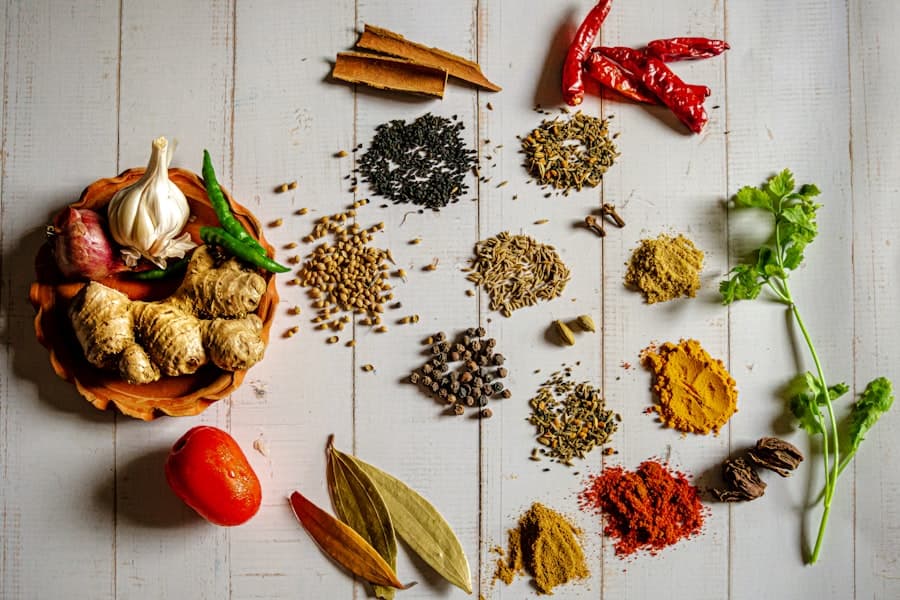
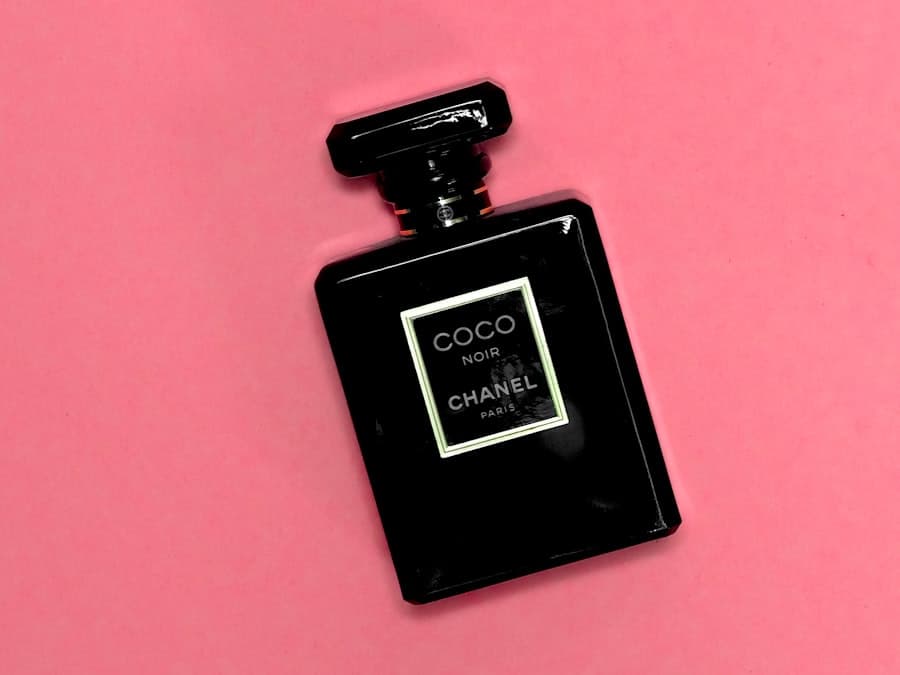
Ras el hanout — literally “head of the shop” — is the king of spice blends. Each spice merchant has his secret recipe of 15 to 30 spices: cardamom, nutmeg, cinnamon, long pepper, rose buds, turmeric, ginger...
Taliouine saffron (Souss) is among the finest in the world. Verified: it should be in threads, dark red, with a powerful aroma. Beware of powdered saffron (often cut with turmeric).
Where to buy: the spice souk of Marrakech (Rahba Kedima), the mellah of Fez, the cooperatives of Taliouine. Always ask to smell and taste before buying.
Ras el hanout
30-80 MAD / 100g
Taliouine saffron
15-30 MAD / gram
Ground cumin
10-20 MAD / 100g
Cinnamon sticks
20-40 MAD / 100g
Where to eat — from stalls to palaces
10 — 30 MAD
Street food
Hole-in-the-wall eateries, street stalls, markets
50 — 100 MAD
Local restaurant
Full tajine + drink + bread
200 — 400 MAD
Gourmet riad
Tasting menu, intimate setting
500+ MAD
Palace
La Mamounia, Royal Mansour, le Jardin
Cooking classes
Bring Morocco home to your kitchen. These three addresses are the best in the country.
La Maison Arabe
Half-day class in a historic riad. Souk tour + 3 dishes.
Palais Amani
Traditional Fassi cuisine with a chef. View over the medina.
Amal Women's Center
Social enterprise. Classes taught by women in job reintegration.