3,000 years
of history
“Morocco does not have one history. It has several, layered like the strata of a thousand-year-old zellige.”
Berber Origins
✦ Éclairage
The Berbers (Imazighen) are Morocco's original inhabitants. Their presence dates back more than 10,000 years before Christ.
Before the Arab conquests, before the Romans, before the Phoenicians, there were the Imazighen — the Free People. Their language, Tamazight, is now official alongside Arabic.
The Phoenicians founded Lixus (near present-day Larache) around 1100 BC. The Romans left behind Volubilis, an imperial city whose mosaics still bear witness to the deep Romanisation of northern Morocco.
Ancient Morocco was a crossroads. The Carthaginians traded here, the Romans administered it, the Vandals passed through. But through all these waves, Berber culture persisted, adapted, and survived.
Islam & the Dynasties
✦ Éclairage
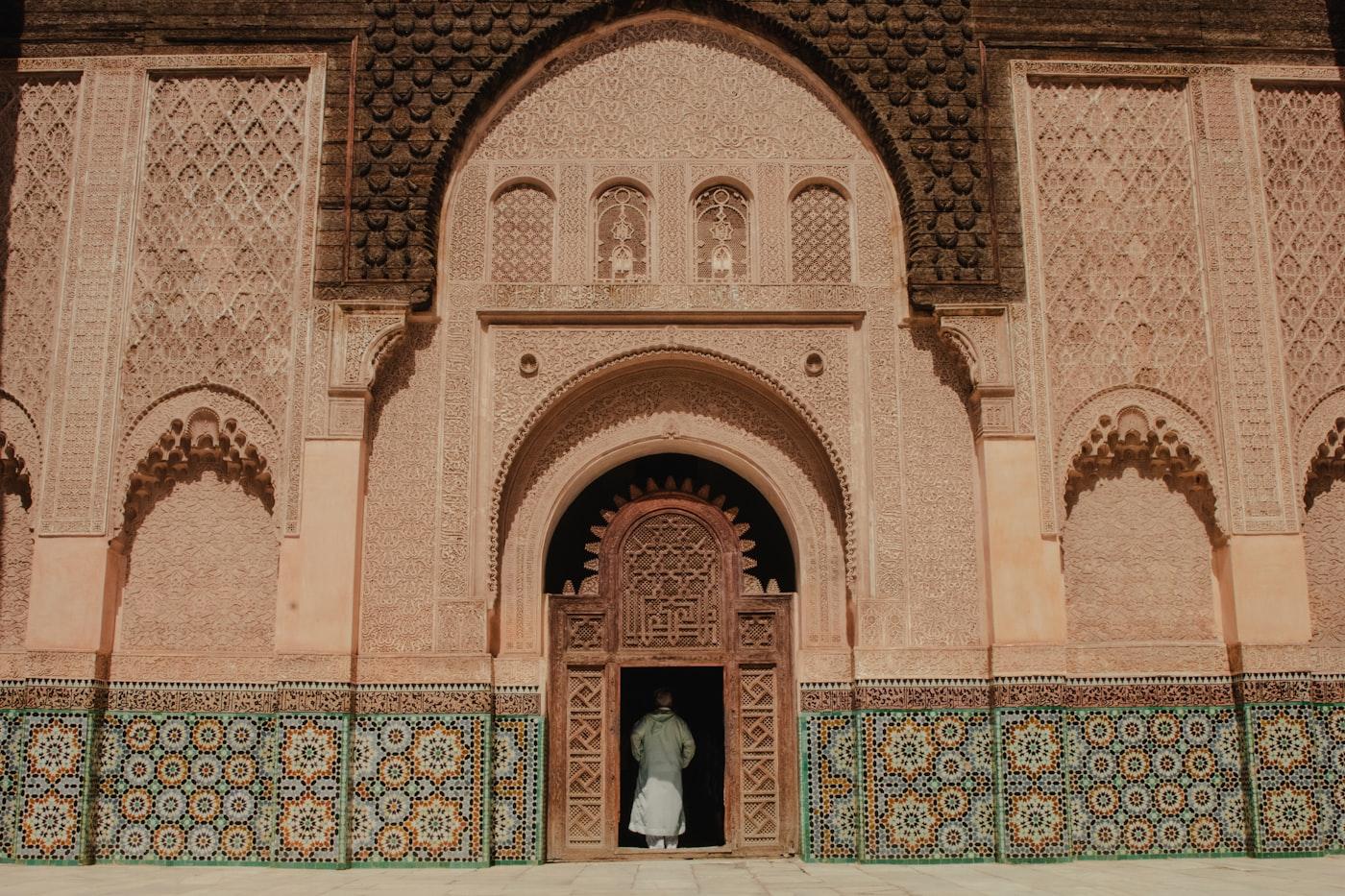
In 788, Idris I founded Morocco's first Arab dynasty. His son Idris II founded Fes in 808 — the future intellectual capital of the Muslim West.
The arrival of Islam in Morocco was not a brutal conquest but a gradual transformation. The Berbers adopted the new religion and reshaped it in their own image, creating a singular Moroccan Islam.
The great Berber dynasties that built Morocco:
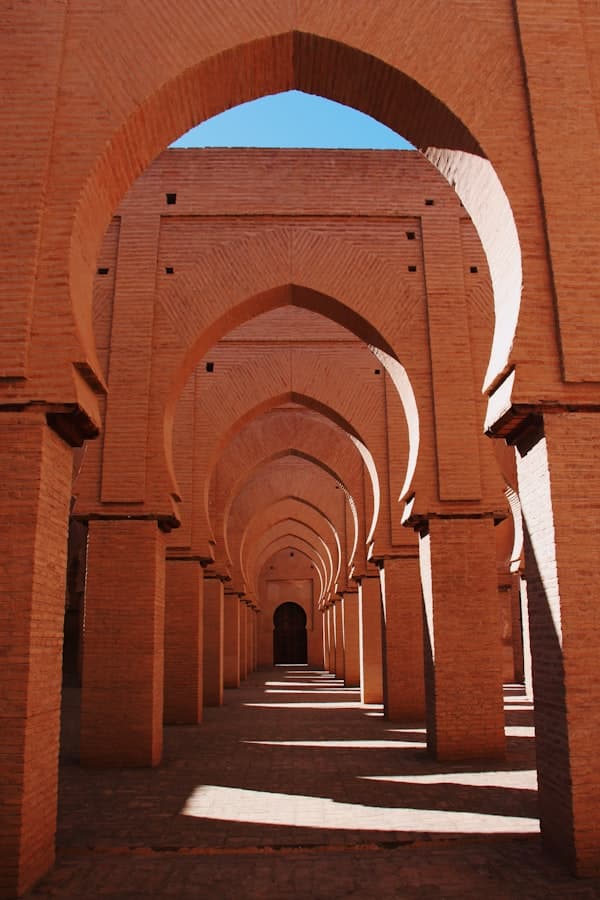
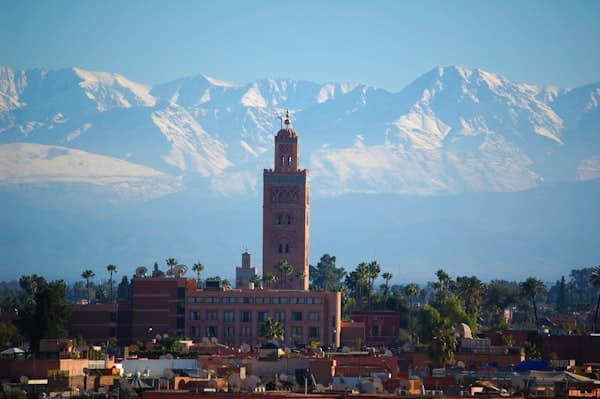
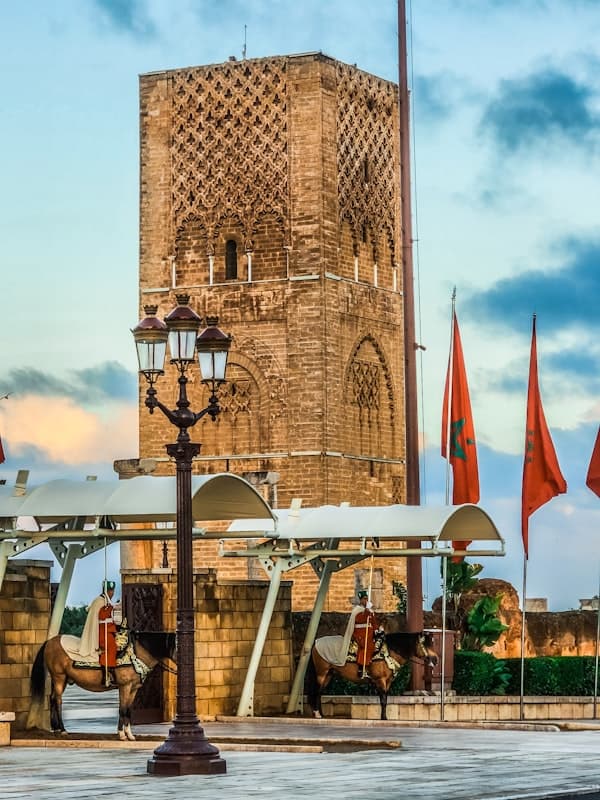
The Idrisids (788–985) founded Fes, the first capital. The Almoravids (1040–1147) built an empire stretching from Senegal to Spain. The Almohads (1121–1269) constructed the Koutoubia, the Giralda in Seville and the Hassan Tower. The Merinids (1244–1465) inaugurated Fes's golden age with its magnificent madrasas.
Each dynasty left its mark in stone, zellige and collective memory. Medieval Morocco was a major Mediterranean power.
💡 Did you know?
The Al-Qarawiyyin university in Fes, founded in 859, is considered the oldest continuously operating university in the world.

The Sharifian Golden Age
✦ Éclairage
The Sharifian dynasties (Saadians then Alaouites) have governed Morocco since the 16th century. The current royal house is Alaouite.
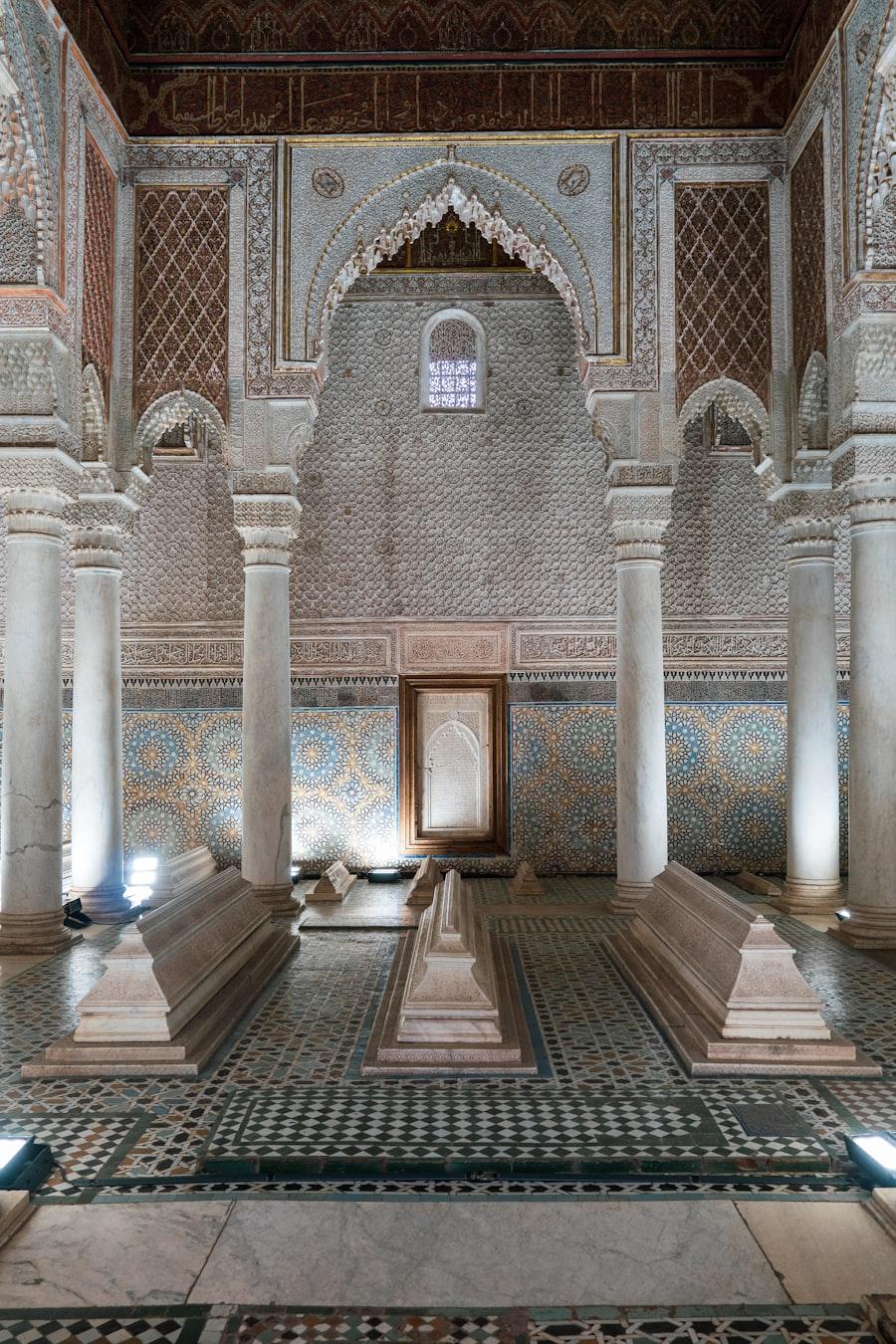
The Saadians (1554–1659) repelled the Ottomans and the Portuguese. They built the Saadian Tombs in Marrakech, rediscovered only in 1917 — hidden behind a wall for 250 years.
The Alaouites (1631–present) unified Morocco and resisted European expansion. Moulay Ismaïl made Meknès an imperial capital comparable to Versailles. His 55-year reign is one of the longest in Moroccan history.
The 18th century saw the first commercial treaties with European powers. Morocco maintained its independence where others fell under colonial domination.
⚡ Historical paradox
Morocco is one of the rare African countries never colonised by the Ottoman Empire — thanks to the resistance of the Sharifian dynasties.
The Protectorate
✦ Éclairage
The Treaty of Fes (30 March 1912) placed Morocco under French protectorate. Resistance never stopped.
The Treaty of Fes was a rupture. France took the centre and south, Spain took the north and the Sahara. Tangier became an international city.
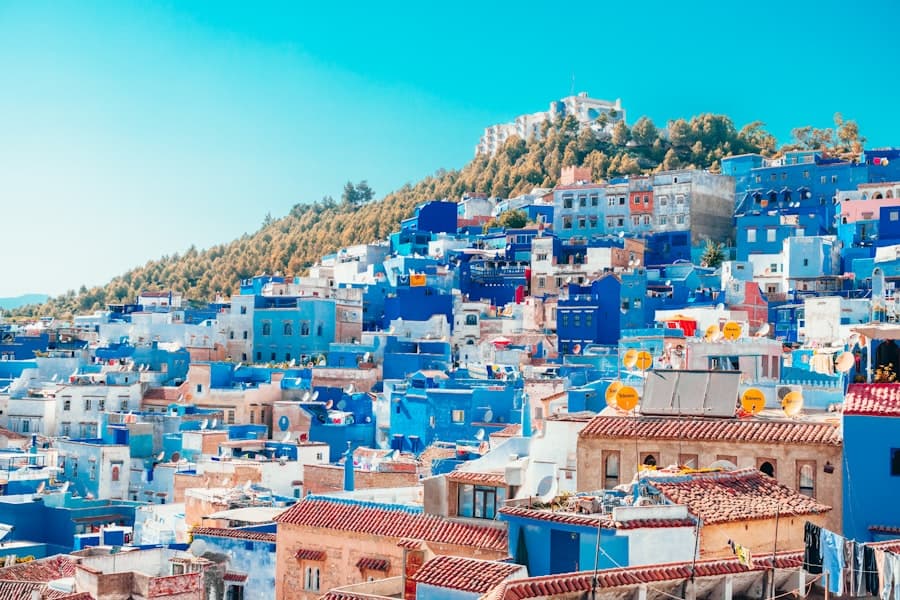
Marshal Lyautey, the first Resident-General, built the new cities — medinas preserved, European towns built alongside. An urban legacy still visible in Casablanca, Rabat and Marrakech.
Resistance never ceased. The Istiqlal (Independence Party) was founded in 1944. Sultan Mohammed V was exiled in 1953 to Madagascar then Réunion — which triggered the insurrection.
✦ Éclairage
The exile of Mohammed V in 1953 was France's fatal error. The Sultan became a martyr. His popularity soared. Two years later, he returned in triumph.
Independence
✦ Éclairage
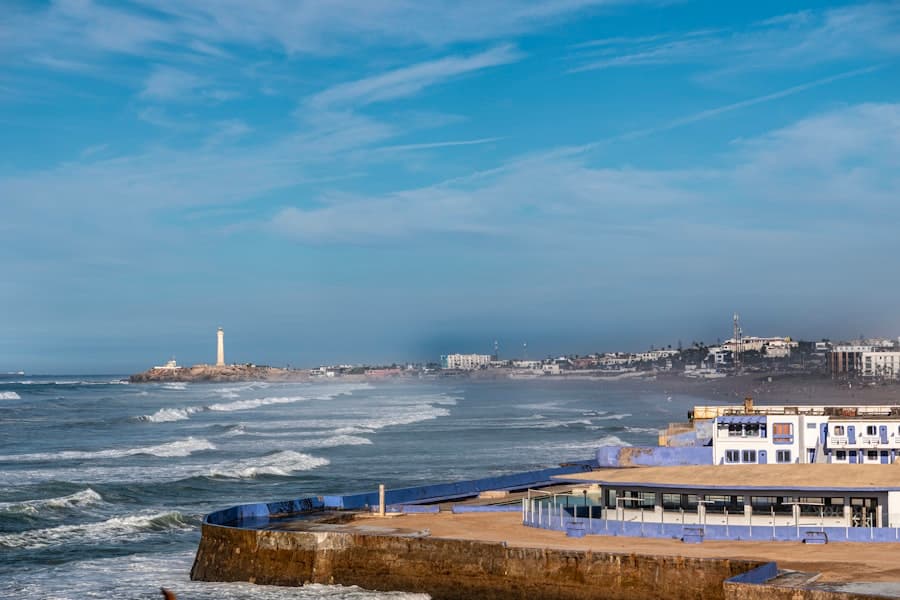
2 March 1956: Morocco regains its independence. Mohammed V becomes King. His son Hassan II succeeds him in 1961 and reigns for 38 years.
Independence was negotiated, not seized by arms. Mohammed V returned from exile on 16 November 1955 — a date celebrated today as Independence Day.
The reign of Hassan II (1961–1999) was complex. Economic modernisation. The Green March (1975) which reclaimed the Sahara. But also the "Years of Lead" — a period of political repression.
In 1999, Mohammed VI ascended the throne. A new chapter opened.
📊 The Green March
On 6 November 1975, Hassan II launched the Green March: 350,000 Moroccan civilians, carrying flags and the Quran, marched into Western Sahara. Spain yielded.
Morocco Today
✦ Éclairage
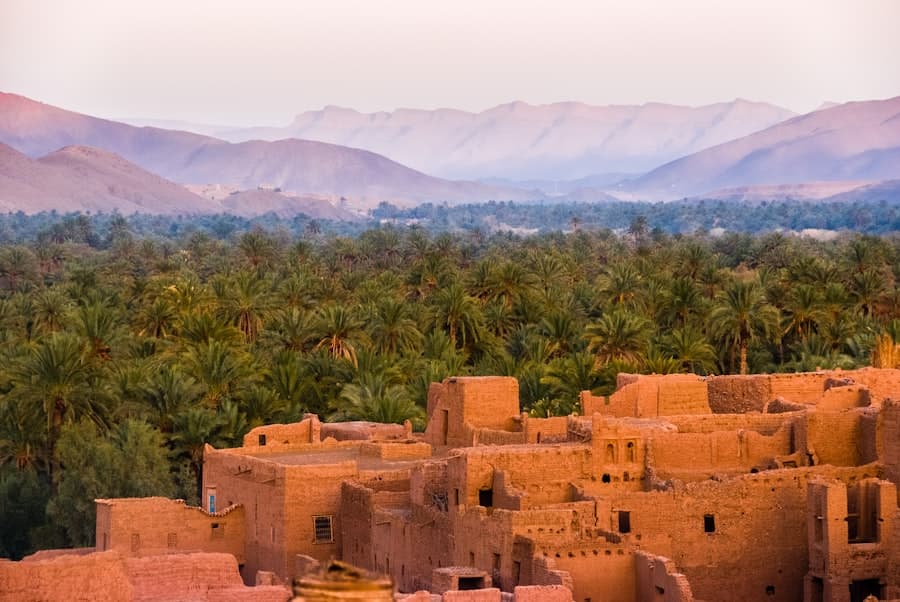
Mohammed VI has reigned since 1999. Morocco is Africa's top tourist destination. 14 million visitors per year.
Morocco in 2026 is a country in creative tension. Tradition and modernity. Casablanca resembling Dubai, 3 hours from a Fes unchanged since the Middle Ages.
Tourism is booming. The high-speed train links Casablanca to Tangier in 2h10. Marrakech has its international airport. Agadir its beach resort.
But authentic Morocco holds firm. Fes's souks are unchanged. Desert bivouacs still welcome guests under the stars. Berber women still weave the same patterns as their grandmothers.
📊 Morocco in figures 2026
14 million tourists per year Africa's #1 tourist destination High-speed rail Casablanca–Tangier: 2h10 GDP: $130 billion USD 2030 World Cup: co-host
The cities that made History
History is written.
Your journey is yet to be.
Build a personalised itinerary that takes you through 3,000 years of history.
Plan My Trip