
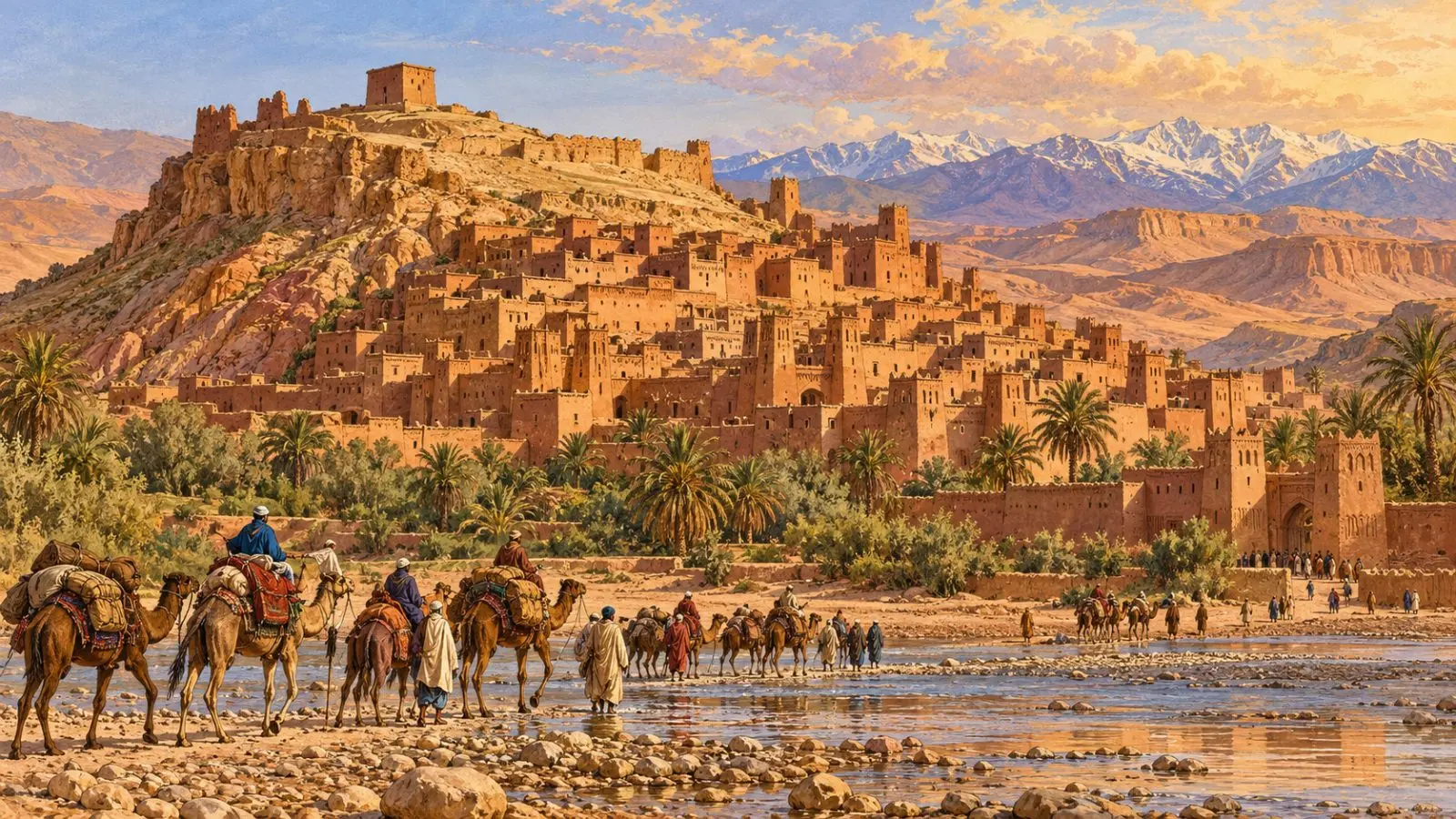
the ksar of Ait Benhaddou in the 17th century

THE BOOK OF

Aït Benhaddou — All about Aït Benhaddou

أيت بنحدو

History, places, people, culture and food of Aït Benhaddou, told by two Moroccans.

9 chapters3 min readBy Yassine and Issam
Things to do in Aït Benhaddou
CONTENTS · I
  1. I. At a glance
  2. II. History
  3. III. Key dates
  4. IV. Landmarks
  5. V. Culture and traditions
  6. VI. The people
  7. VII. At the table
  8. VIII. Did you know?
  9. IX. Frequently asked questions

CHAPTER I

At a glance

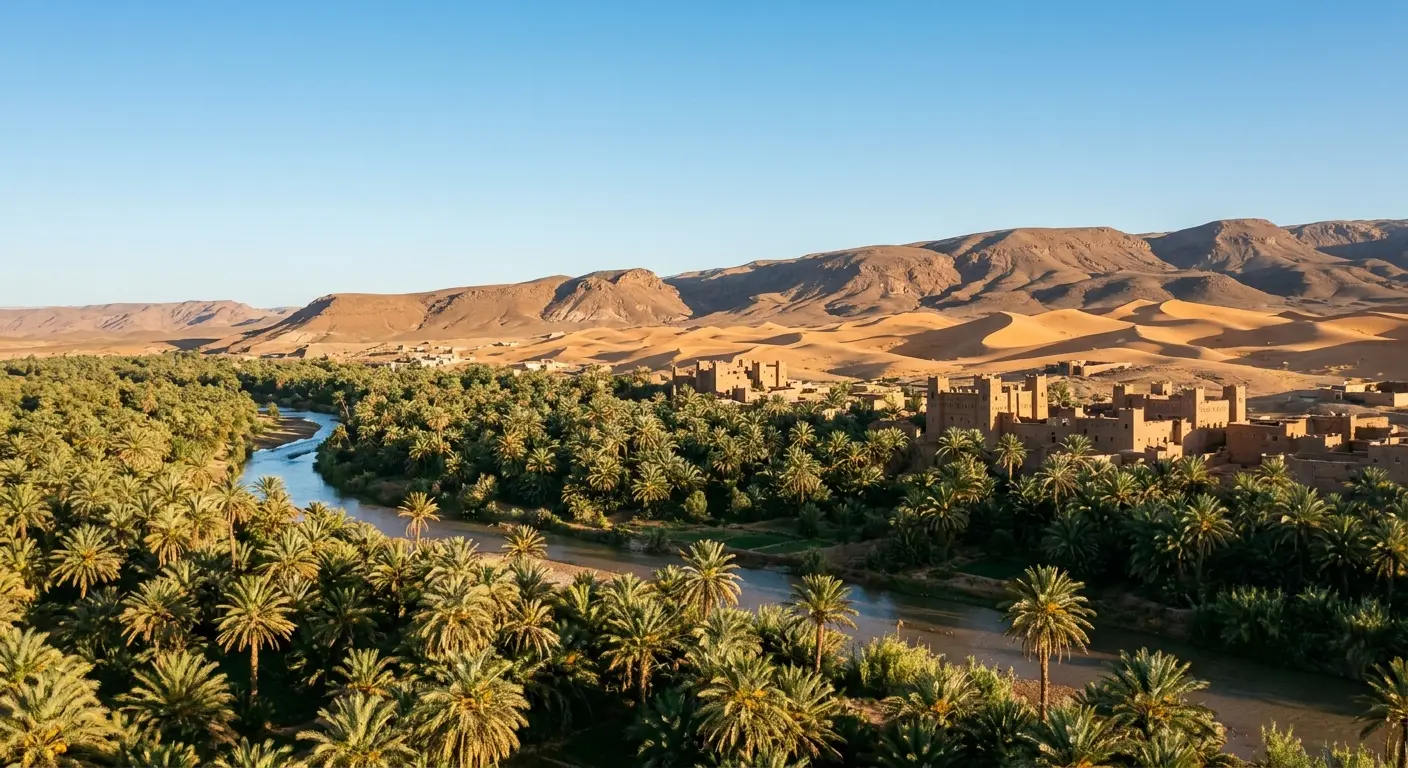
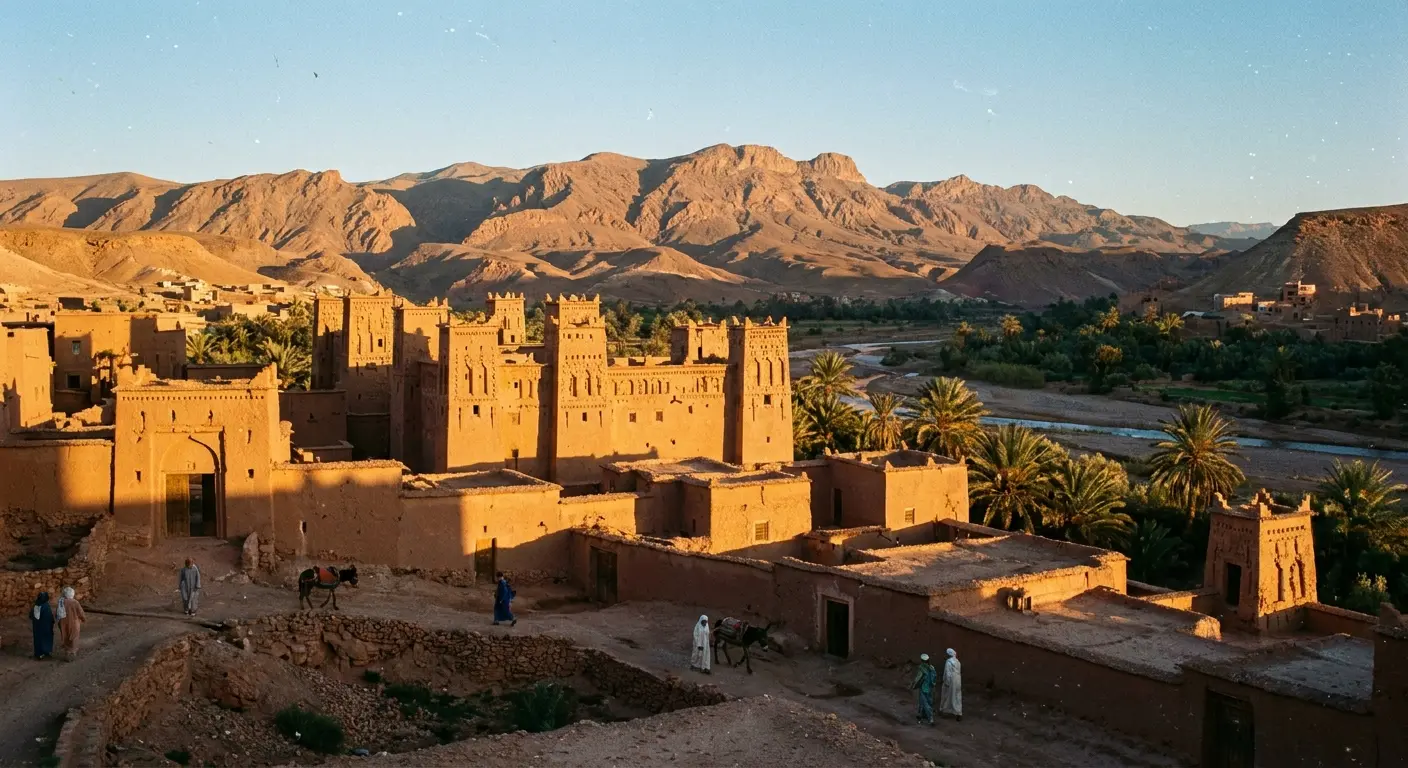
On a hill above the Ounila river, the ksar of Ait Benhaddou is the finest example of earthen architecture in southern Morocco. A caravan stop between Marrakech and the Sahara, it has been on the UNESCO list since 1987 and serves as a film set for the whole world.

Arabic name
أيت بنحدو
Other names
Ksar Aït Benhaddou
Coordinates
31.0470, -7.1297
Best months
Mar, Apr, Oct, Nov

CHAPTER II

History

A fortified stage since the Almoravids

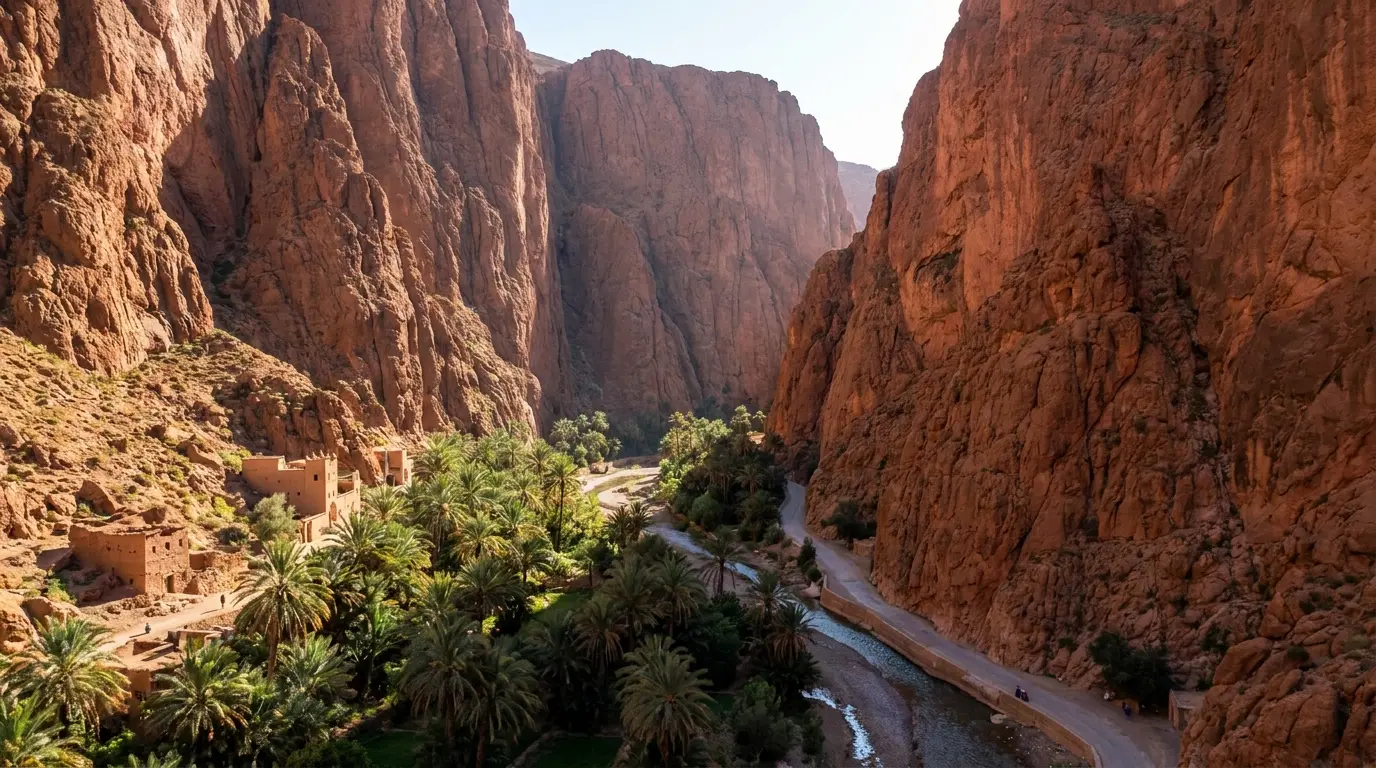
The ksar site has been fortified since the 11th century, in Almoravid times. It owes its importance to its position in the Ounila valley, on one of the main trans-Saharan trade routes: via the Tizi n'Tichka pass, one of the few crossings of the High Atlas, it linked Marrakech to the Draa valley and the Sahara.

Other kasbahs and ksour lined this route, such as Tamdaght, just to the north, and Telouet, stronghold of the Glaoui.
A village of earth

None of the present buildings seems older than the 17th century, but all are built with techniques and forms used for centuries: rammed-earth walls, mud brick, palm and tamarisk wood. Houses climb the hill up to the communal granary at the top, where harvests were kept safe.

This fragile architecture has to be repaired after every heavy rain.

World Heritage and film set

The ksar was listed as UNESCO World Heritage in 1987, as a remarkable example of southern Moroccan earthen architecture. Its landscapes make it a favourite film set: Lawrence of Arabia, Gladiator and the series Game of Thrones, among others, were shot here.

In the 20th century, as the caravan route lost importance, most residents moved to the modern village on the other bank. A footbridge, completed in 2011, links the two banks to make the ksar more accessible.

The 2023 earthquake

The earthquake of 8 September 2023, which struck southern Morocco, damaged the ksar: early assessments reported cracks and partial collapses, with a risk of more. Only a few families still live within its walls, and its preservation depends on regular upkeep of the earth walls.

CHAPTER III

Key dates

  1. 1600–1800

    Most of the earthen houses of the ksar date from these centuries, on the caravan road from the Sahara to Marrakech.

  2. 1987

    The ksar is listed as a UNESCO World Heritage Site.

CHAPTER IV

Landmarks

1

The granary at the top

Climb to the agadir, the old communal granary: the view takes in the valley and the High Atlas.

2

Telouet

Through the Ounila valley you reach the Glaoui kasbah at Telouet, with its stucco and zellige halls.

3

The river ford

You cross by the footbridge or on foot over sandbags; the best photo is taken from the far bank at sunset.

CHAPTER V

Culture and traditions

Earthen architecture

Rammed earth and mud bricks, corner towers, raised geometric patterns: a technique that keeps houses cool in summer and warm in winter.

The eleven families remaining inside the ksar maintain the ancient pisé construction tradition — the earthen towers must be replastered with mud and straw every few years after winter rains. The community hosts a moussem (religious festival) each spring drawing families from across the Ounila Valley. Traditional Berber silver jewellery from the Ouarzazate region — heavy fibulas, anklets and necklaces — is sold by resident artisans inside the ksar.

CHAPTER VI

The people

The ksar's last families

Most residents have left the ksar for the new village on the other bank, with water and electricity. A few families still live within the walls, and many others work as extras, guides or craftsmen.

Valley Tashelhit

People speak Tashelhit here, with darija for visitors; ahwach songs accompany village celebrations.

CHAPTER VII

At the table

Lunch on a terraceThe guesthouses facing the ksar serve tagines and Berber omelettes with the best view in the valley.

CHAPTER VIII

Did you know?

  • The ksar has been on UNESCO's World Heritage list since 1987.
  • The mud houses must be repaired after every heavy rain.
  • The monumental gate at the entrance was built for a film.

Frequently asked questions about Aït Benhaddou

How many days do you need in Aït Benhaddou?

Allow 1–2 days to see Aït Benhaddou without rushing. That is the length we use in our itineraries.

When is the best time to visit Aït Benhaddou?

The best months for Aït Benhaddou are March, April, October and November.

How much does a day in Aït Benhaddou cost?

Per person per day, accommodation included: about $30 on a budget, $70 mid-range and $160 for a luxury stay.

How do you get to Aït Benhaddou?

30km from Ouarzazate by road — grand taxis run from Ouarzazate's main square (30 min). No direct public transport from Marrakech; most visitors come on day tours or with a rental car via the Tichka Pass. The road from Marrakech (200km via N9) is one of Morocco's great drives.

What is there to see in Aït Benhaddou?

The must-sees of Aït Benhaddou: The Ksar Itself, Sunrise from the Opposite Bank, Ounila Valley and Atlas Film Studios.

What should you eat in Aït Benhaddou?

To taste in Aït Benhaddou: Khobz, Moroccan mint tea, Oranges with cinnamon and Msemen.

Where should you stay in Aït Benhaddou?

The best areas to stay: Ksar (inside walls), East Bank (Agdz Road) and Ounila Valley.

Is Aït Benhaddou safe?

Yes, Aït Benhaddou welcomes many travellers every year. The precautions are those of any tourist destination: watch your belongings in crowds, politely turn down unofficial guides, agree on a taxi fare before getting in.

Is Aït Benhaddou good for families?

Yes, Aït Benhaddou is easy to visit with children.

Sources

To go further and check what we write.

Other sources

Read next

THE END

Now go and see Aït Benhaddou.

By Yassine and Issam · Spotted a mistake? Tell us