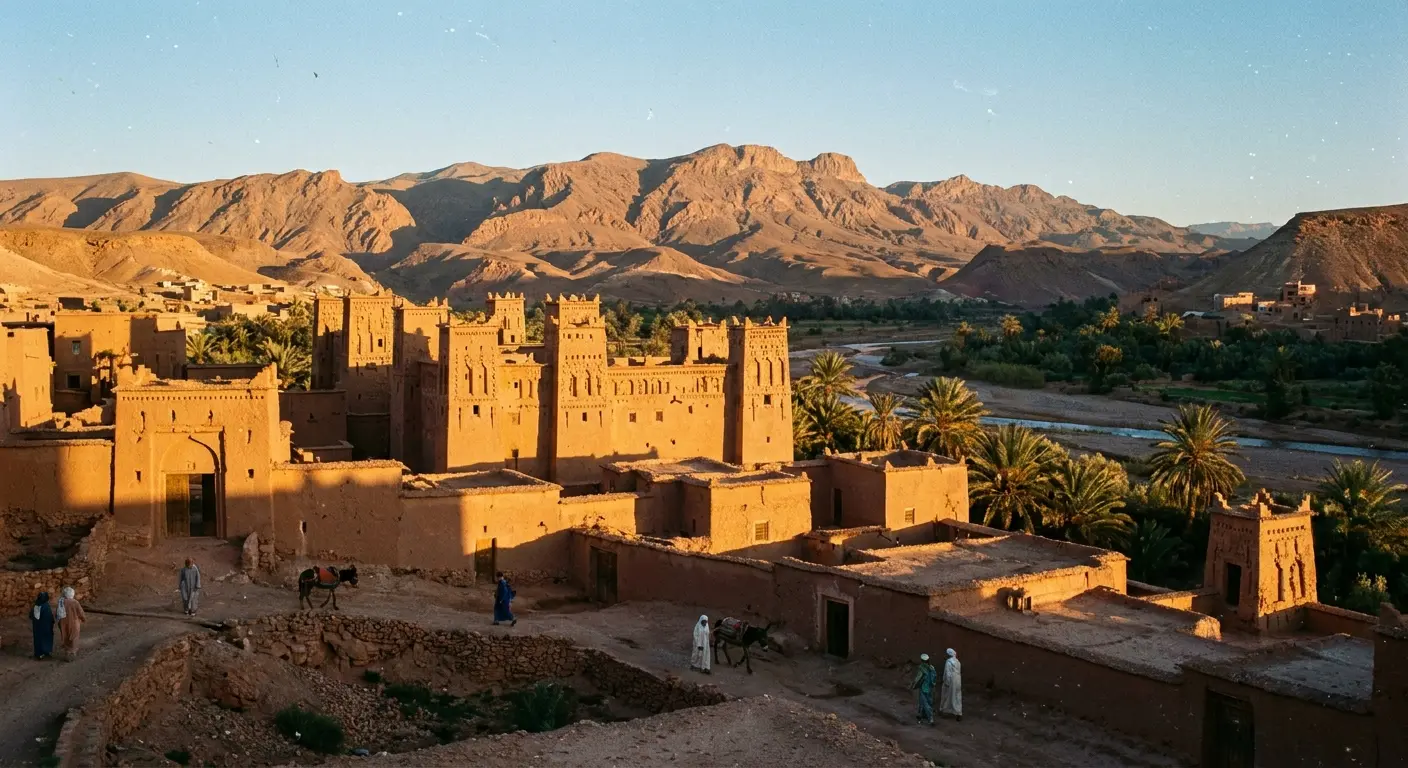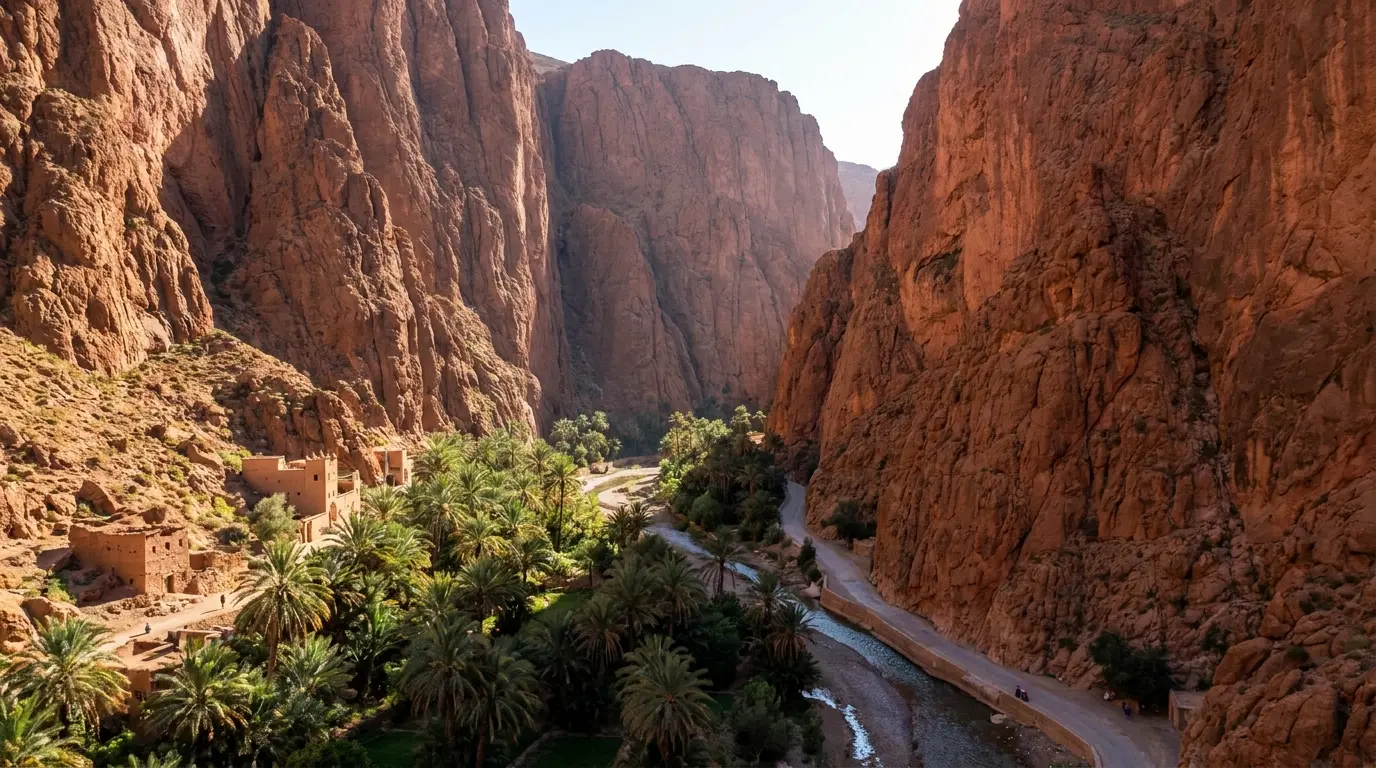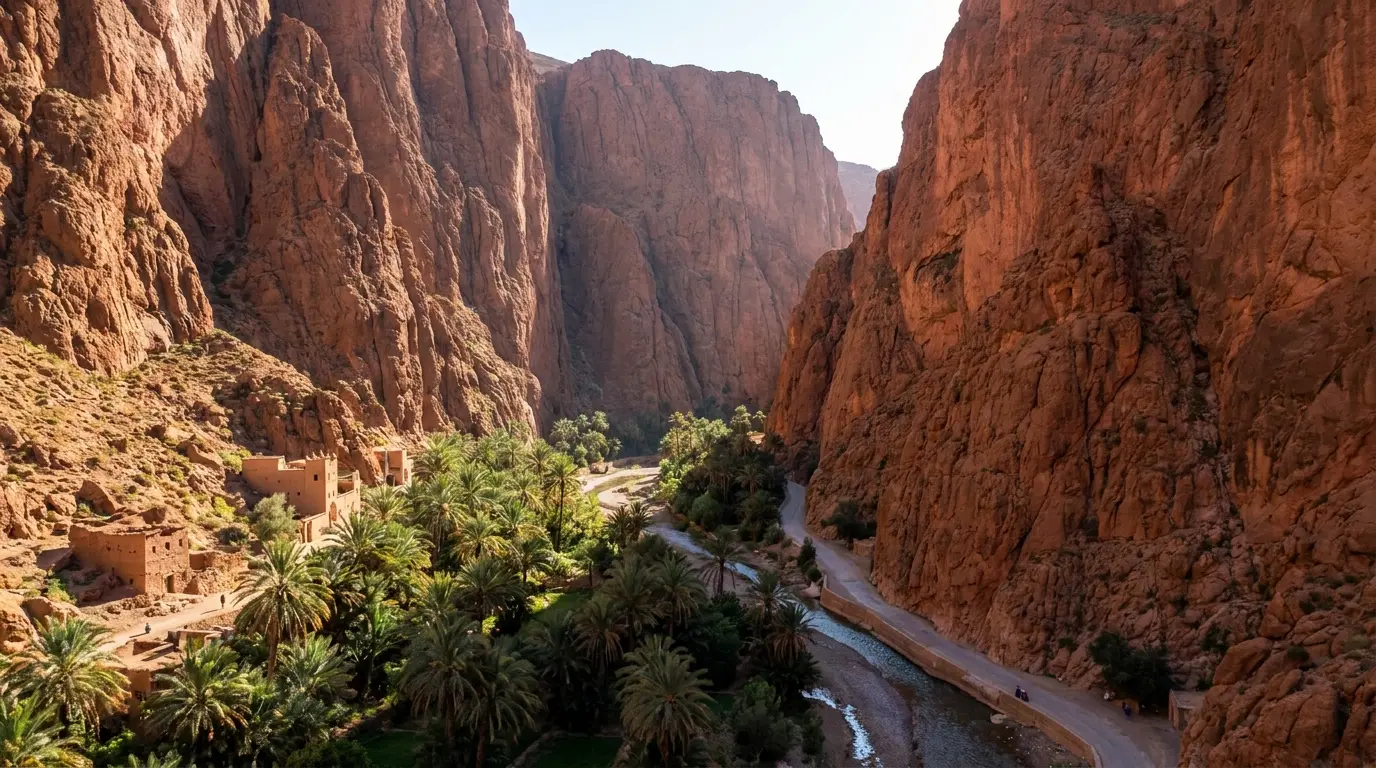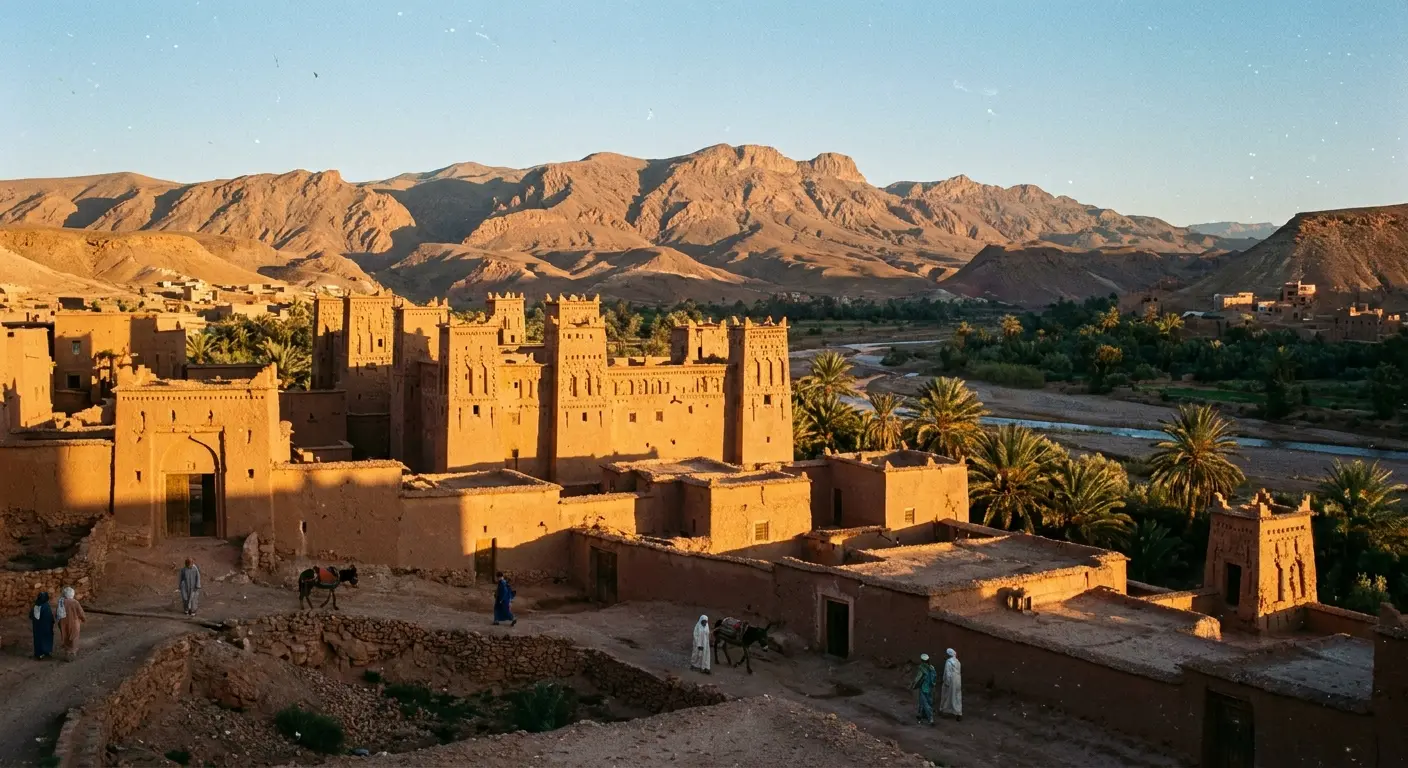

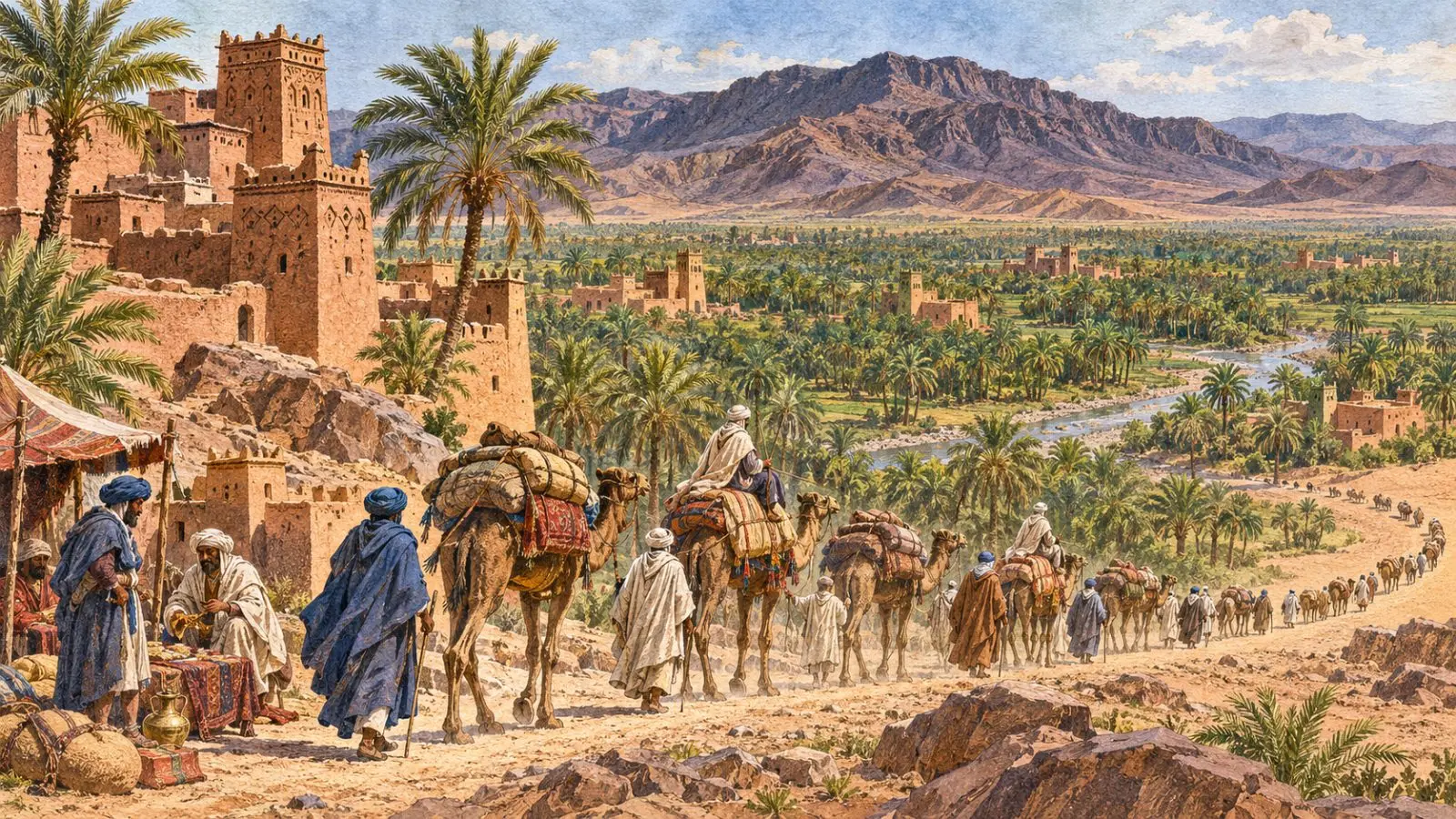
the Draa valley and the road to Timbuktu

THE BOOK OF

Zagora — All about Zagora

زاكورة

History, places, people, culture and food of Zagora, told by two Moroccans.

10 chapters3 min readBy Yassine and Issam
Things to do in Zagora
CONTENTS · I
  1. I. At a glance
  2. II. History
  3. III. Key dates
  4. IV. Landmarks
  5. V. People
  6. VI. Culture and traditions
  7. VII. The people
  8. VIII. At the table
  9. IX. Did you know?
  10. X. Frequently asked questions

CHAPTER I

At a glance

At the end of the Draa Valley, Zagora is famous for its sign “Timbuktu 52 days” by camel. The Saadian dynasty came from this valley, and here at Tamegroute a brotherhood kept one of the finest libraries in the Sahara.

Arabic name
زاكورة
Other names
Tazagourt
Coordinates
30.3286, -5.8380
Best months
Oct, Nov, Mar, Apr

CHAPTER II

History

Engravings and necropolises

The Draa valley has been inhabited since the Lower Palaeolithic: Oldowan and Acheulean tools have been found near Tamegroute. Throughout the valley, Neolithic rock engravings show hunting scenes and domestic cattle; the oldest may date from the 3rd millennium BC. They can be seen at Foum Chena and Tazarine, and a vast necropolis lies at Foum Larjam, near M'hamid el-Ghizlane.

The Draa, Morocco's longest river, was known to ancient geographers, including Ptolemy.
Cradle of the Saadians and the Timbuktu road

Under the Wattasids, the Songhai emperor Askia Ishaq I sent Tuareg raids into the Draa, in response to Morocco's demand that he cede the Taghaza salt mines.

In the early 14th century sharifs from Arabia, the future Saadians, settled at Tagmadart in the valley. In the 16th century they set out to conquer the Souss and then northern Morocco, before launching in 1591 the expedition that took Timbuktu along the Draa caravan road. The famous "Timbuktu 52 days" sign at the edge of Zagora recalls this route.

Tamegroute and the Naciria zawiya

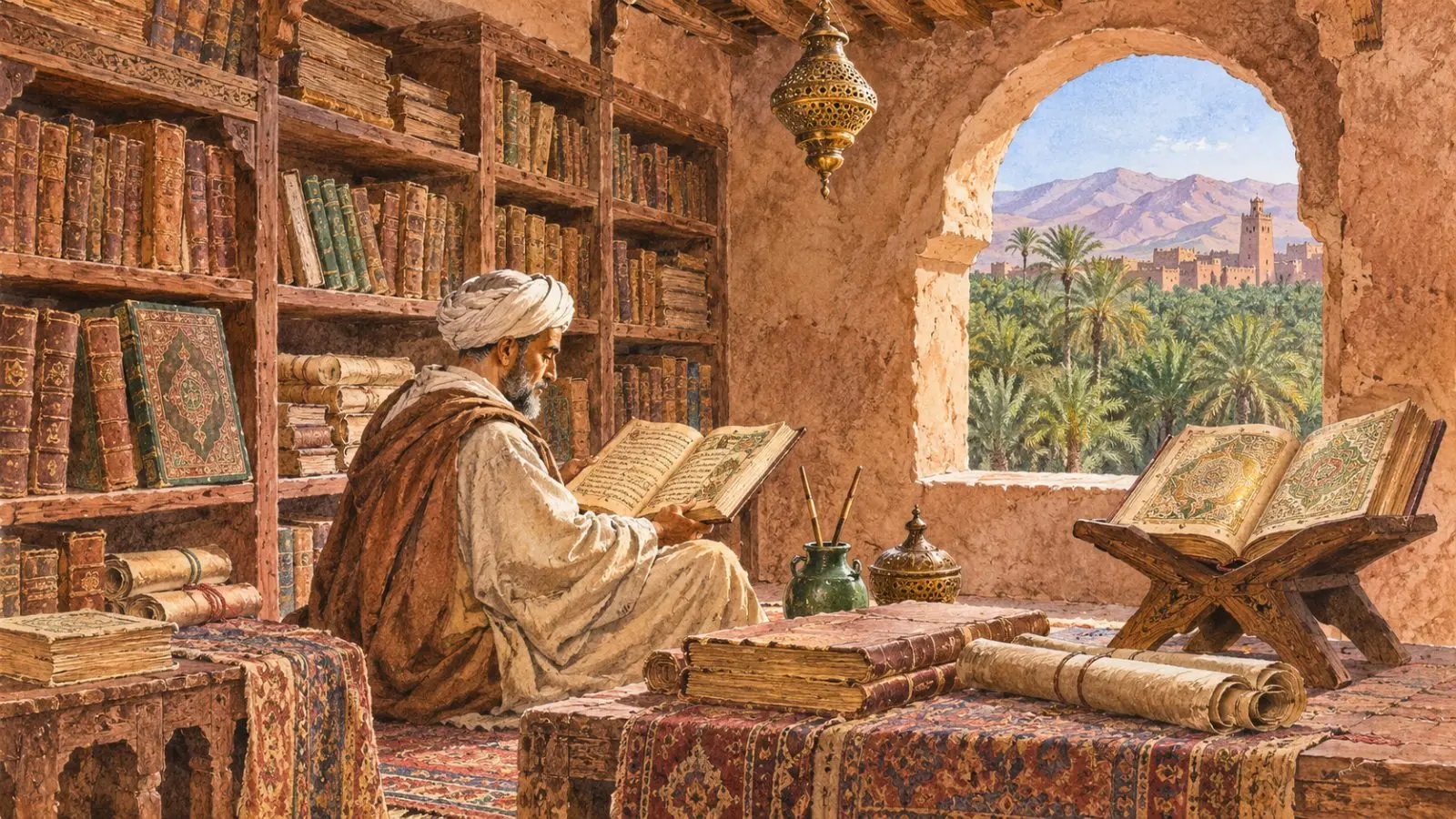
the Tamegroute library

Twenty kilometres from Zagora, on the Timbuktu road, Abu Hafs Umar al-Ansari founded the Naciria zawiya of Tamegroute in 1575, linked to the Shadhili Sufi brotherhood. In the 17th century Sidi Mohammed ben Nasir gave it great influence and enriched its library with more than 4,000 works brought back from his travels in Africa and the East.

Scholars and students came from all over Morocco and Africa. The library still holds manuscripts on theology, history and medicine, the oldest dated to the 13th century. Tamegroute is also famous for its green-glazed pottery, fired in kilns heated with palm fronds.

The Alaouites' Draa

In the 17th century the Alaouites took the valley. Moulay Ismail appointed several of his sons as khalifas of the Draa; one settled at Aghlan, among the Beni Zoli. The sultan also relied on the Naciria zawiya to spread learning towards Africa.

After Moulay Ismail's death in 1727 the region went through periods of instability. In the 20th century Zagora became the valley's main town, gateway to the desert towards M'hamid and Erg Chegaga.

CHAPTER III

Key dates

  1. 1500–1550

    The Saadian dynasty rises in the Draa valley.

  2. 1591

    Ahmad al-Mansur's army crosses the Draa toward Timbuktu, remembered by the famous “Timbuktu 52 days” sign.

CHAPTER IV

Landmarks

1

The Draa palm grove

Dozens of kilometres of palm trees, earthen ksour and gardens between Agdz and Zagora.

2

Tamegroute's library and potters

The zawiya's manuscripts, then the workshops of the green pottery, glazed with copper and fired with wood.

3

M'Hamid and Erg Chigaga

At the end of the paved road, M'Hamid opens the track to the wild great dunes of Chigaga.

CHAPTER V

People

  • Mohammed ben Nasser1603–1674Sufi master, founder of the Nasiriyya zawiya of Tamegroute and its library.
  • Ahmed al-Mansour1549–1603Saadian sultan who sent the 1591 expedition to Timbuktu.

CHAPTER VI

Culture and traditions

The people of the Draa

Amazigh, Arab and Haratin families share the ksour and the water of the irrigation channels, shared out by ancient rules.

The Draa Valley dates and saffron are among Morocco's finest agricultural products. Camel herding remains a practical tradition. The annual Tinfou dunes festival celebrates nomadic culture. Traditional Sahrawi blue robes are worn by local men.

CHAPTER VII

The people

The people of the Draa

The valley brings together Amazighs, Arabs and Haratin, descendants of the oases' Black farmers. Each ksar has its mosque, granary and irrigation channels shared according to centuries-old rules.

Caravan languages

You hear Draa darija, Tamazight and, towards Mhamid, the nomads' Hassaniya. Guides often speak several European languages.

CHAPTER VIII

At the table

Draa datesBouskri, jihel, bouffeggous: in autumn each palm grove has its favourite variety.

CHAPTER IX

Did you know?

  • The Draa is Morocco's longest river (over 1,100 km), but it rarely reaches the sea.
  • The Saadian dynasty set out from the Draa valley in the 16th century.
  • The Tamegroute library holds manuscripts on gazelle hide among Morocco's oldest.

Frequently asked questions about Zagora

How many days do you need in Zagora?

Allow 1–3 days to see Zagora without rushing. That is the length we use in our itineraries.

When is the best time to visit Zagora?

The best months for Zagora are October, November, March and April.

How much does a day in Zagora cost?

Per person per day, accommodation included: about $35 on a budget, $80 mid-range and $200 for a luxury stay.

How do you get to Zagora?

CTM buses from Ouarzazate (4h), Marrakech (7h). Grand taxis link local villages.

What is there to see in Zagora?

The must-sees of Zagora: Draa Valley palmeries, Tinfou dunes, Amezrou kasbah and Montagne des Juifs.

What should you eat in Zagora?

To taste in Zagora: Mechoui, Camel tagine, Khobz and Moroccan mint tea.

Where should you stay in Zagora?

The best areas to stay: Zagora center and Amezrou.

Is Zagora safe?

Yes, Zagora welcomes many travellers every year. The precautions are those of any tourist destination: watch your belongings in crowds, politely turn down unofficial guides, agree on a taxi fare before getting in.

Is Zagora good for families?

Yes, Zagora is easy to visit with children.

Sources

To go further and check what we write.

Other sources

Read next

THE END

Now go and see Zagora.

By Yassine and Issam · Spotted a mistake? Tell us