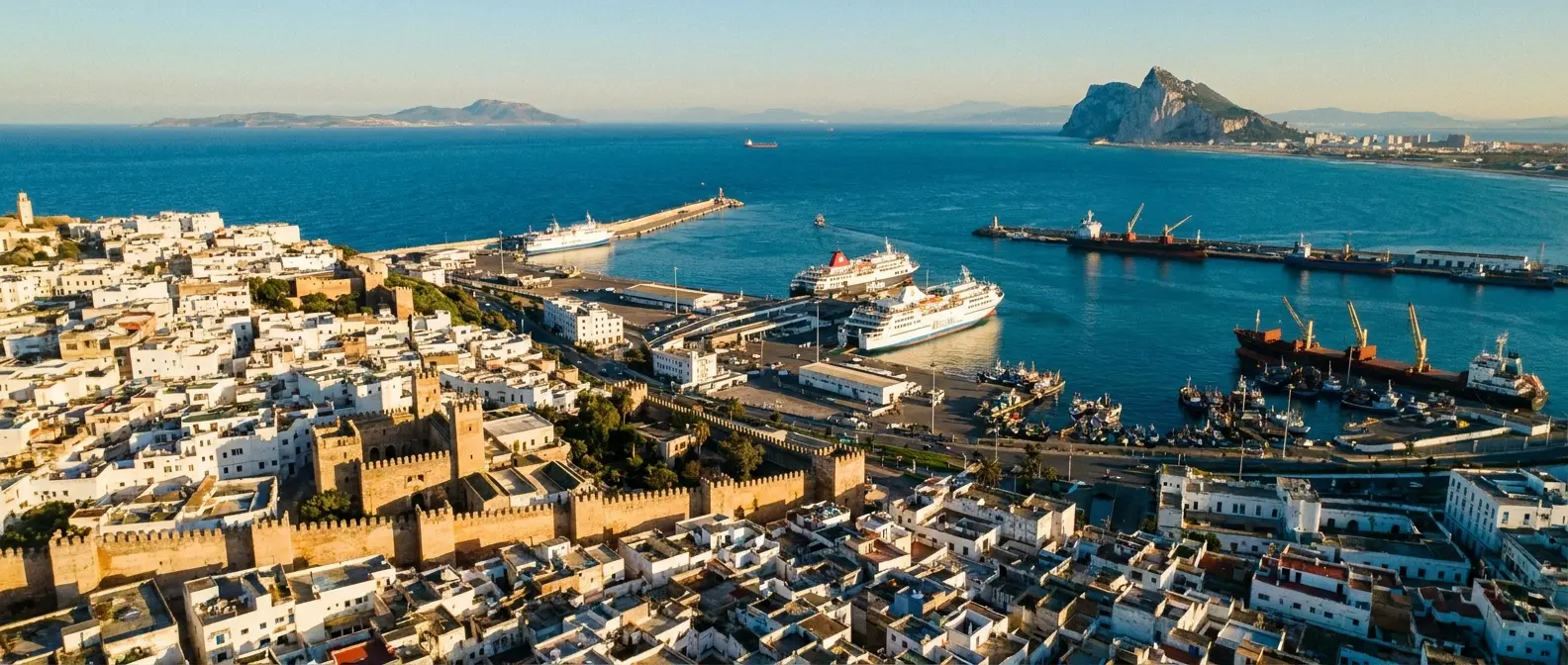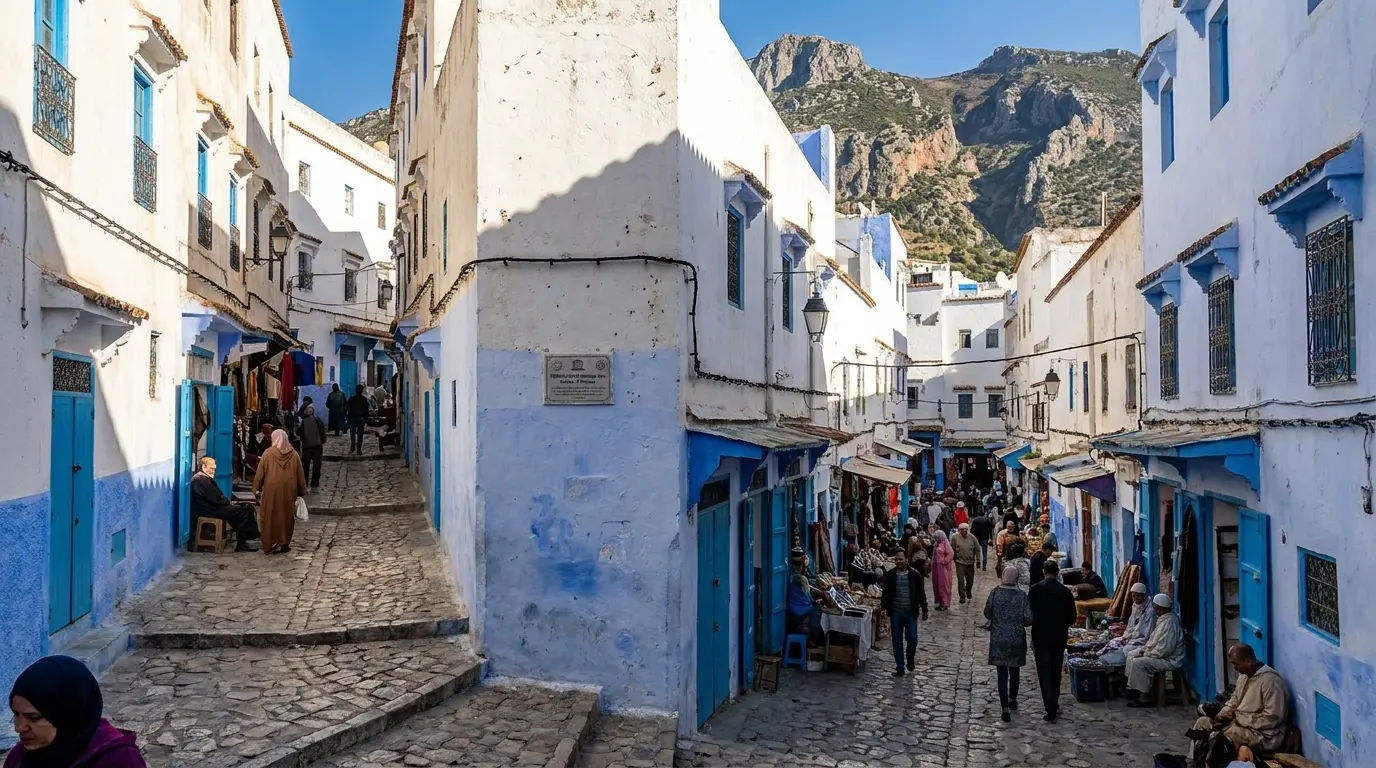

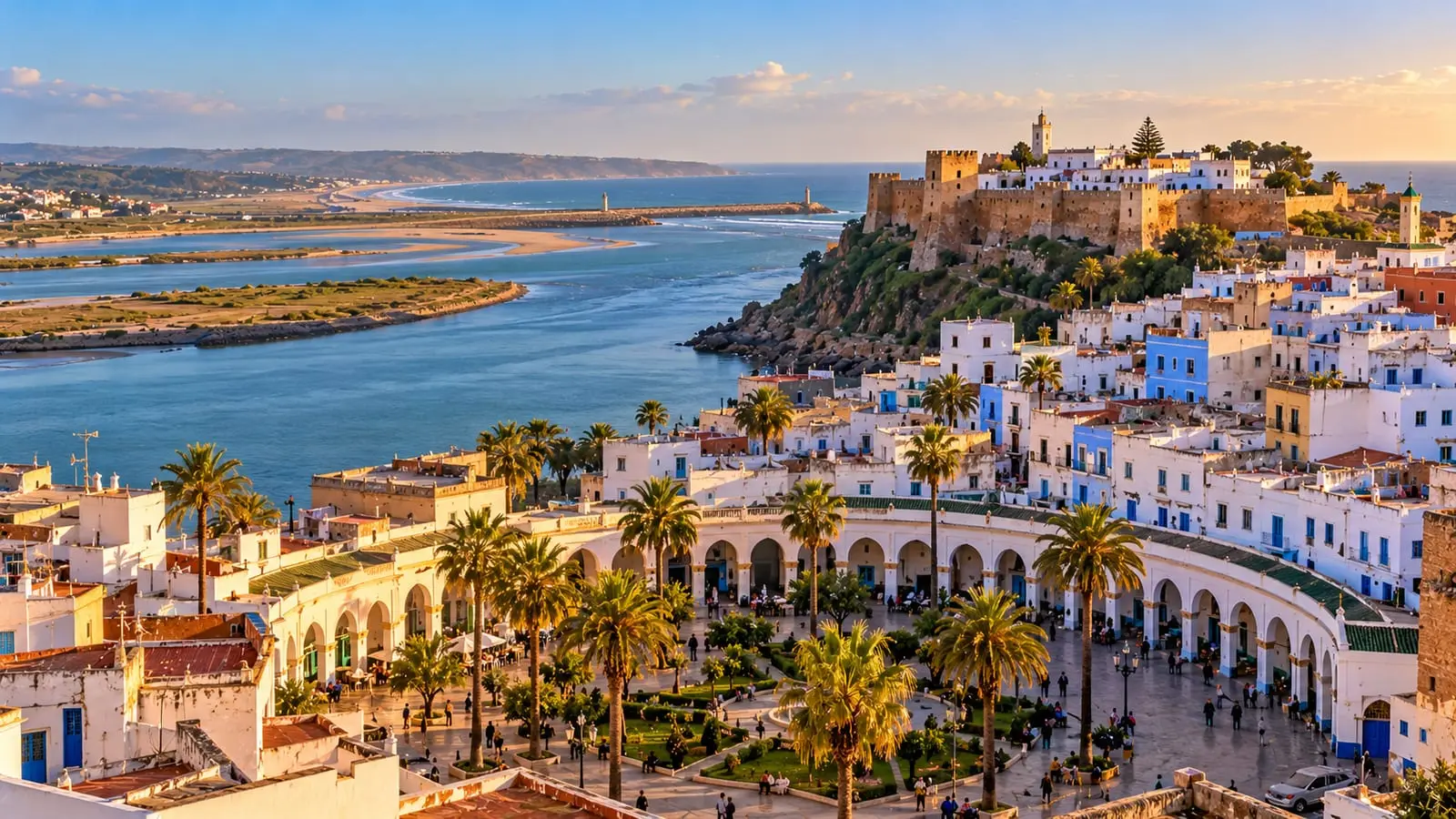
the Portuguese ramparts of Asilah

THE BOOK OF

Asilah — All about Asilah

أصيلة

History, places, people, culture and food of Asilah, told by two Moroccans.

10 chapters3 min readBy Yassine and Issam
Things to do in Asilah
CONTENTS · I
  1. I. At a glance
  2. II. History
  3. III. Key dates
  4. IV. Landmarks
  5. V. People
  6. VI. Culture and traditions
  7. VII. The people
  8. VIII. At the table
  9. IX. Did you know?
  10. X. Frequently asked questions

CHAPTER I

At a glance

The ancient port of Zilil, a Portuguese and then Spanish fortress, the stronghold of the famous Raisuni: Asilah is now a small white town whose walls are covered in murals at every summer festival since 1978.

Arabic name
أصيلة
Other names
Zilis · Arzila
Coordinates
35.4650, -6.0340
Best months
May, Jun, Sept, Oct

CHAPTER II

History

Zilil, the Punic and Roman town

The area's history begins with Zilil (or Zilis), a Phoenician then Carthaginian town that became Roman. Its remains are being excavated at Dchar Jdid, about twelve kilometres north-east of today's town.

Asilah itself was founded by the Idrisids, then rebuilt in 966 by the Umayyad caliph of Cordoba, al-Hakam II.
Arzila, the Portuguese stronghold (1471-1550)

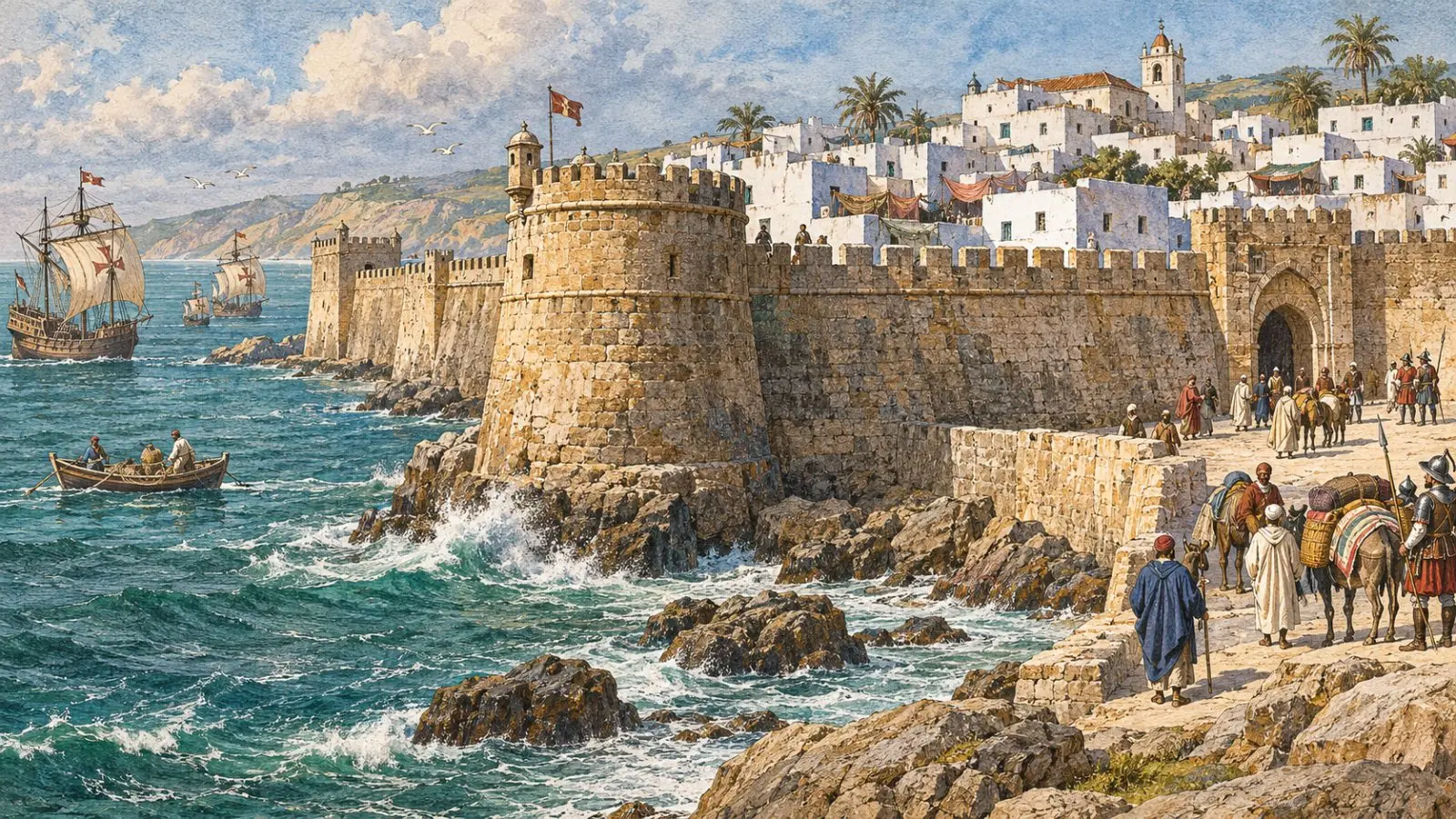
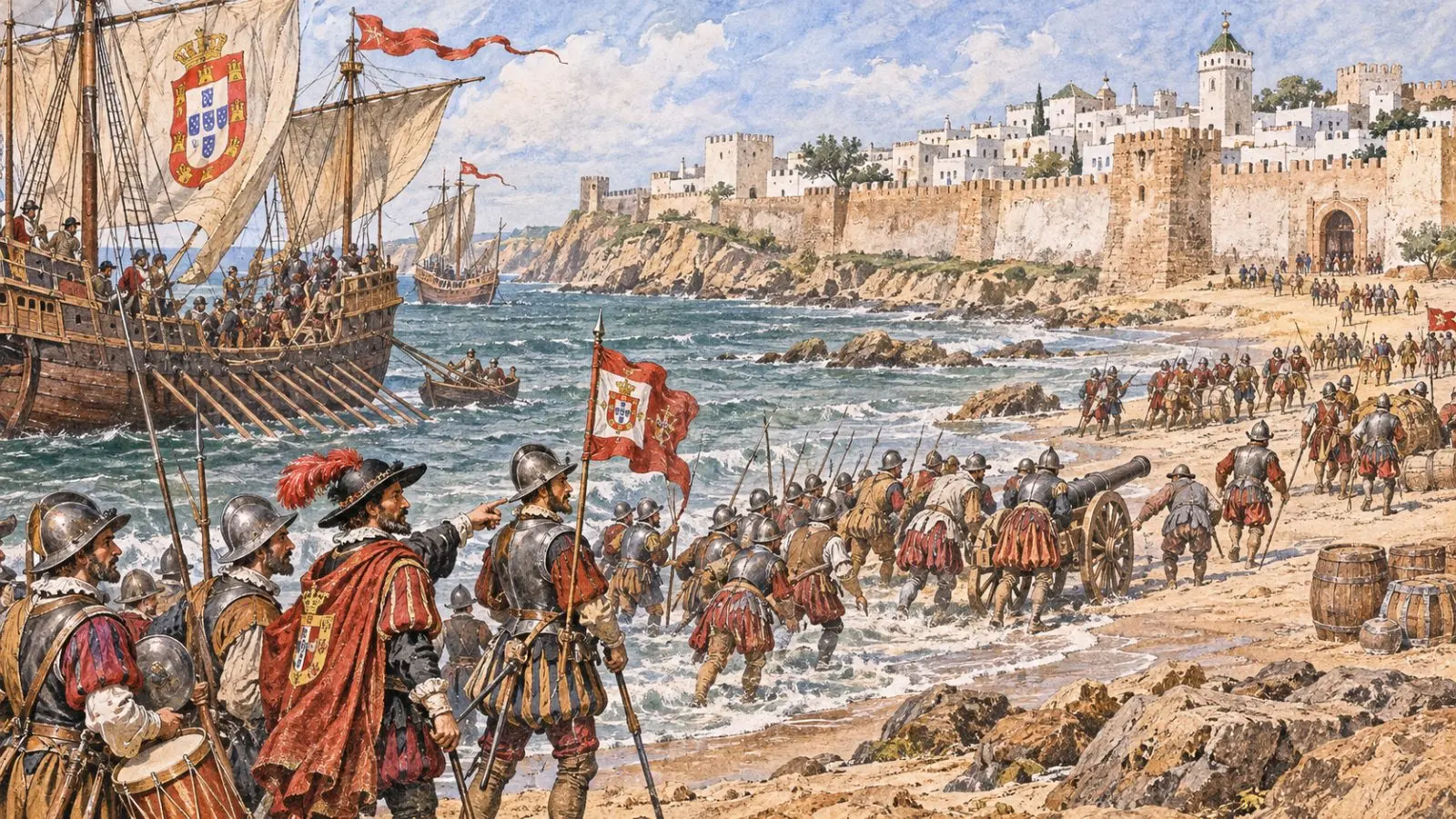
On 24 August 1471, under King Afonso V, a Portuguese fleet of about 400 ships and 30,000 soldiers took the town, renamed Arzila. The Portuguese built a fortress with a keep and a large enclosure: the walls still seen today. News of its fall made the Tangier garrison flee a few days later.

In August 1550, lacking resources, King John III had the town evacuated.

Sebastian and the Battle of the Three Kings (1577-1589)

the Battle of the Three Kings (1578)

In 1577 the young King Sebastian of Portugal reoccupied Asilah as the base for his crusade. In August 1578 he landed his troops here before marching inland, where he died at the Battle of Wadi al-Makhazin, known as the Battle of the Three Kings. His death without an heir caused the succession crisis of 1580, which united Portugal with Spain.

Philip II, now king of both crowns, returned the town to the Saadian sultan Ahmad al-Mansur in the late 1580s; the Spanish later took it back.

Moulay Ismail, corsairs and protectorate (1691-1956)

Moulay Ismail's troops took the town back from the Spanish in 1691 or 1692, depending on the source. Asilah then served as a corsair base: in 1829 the Austrian fleet bombarded it in reprisal.

From 1912 to 1956 it was part of the Spanish protectorate in northern Morocco. The Spanish built the church of Saint Bartholomew and, at the northern entrance, the large Casa Escriña building in the Ensanche style.

The Moussem and the revival (since 1978)

In 1978 the mayor Mohamed Benaissa and the painter Mohamed Melehi launched the Asilah International Cultural Moussem. Every summer artists paint the walls of the restored, whitewashed medina, and the town hosts concerts, exhibitions and debates.

The festival transformed Asilah: it revived tourism and urban restoration, and residents' average monthly income rose from about 50 dollars in 1978 to 140 in 2014. It is now one of Morocco's most important art festivals.

CHAPTER III

Key dates

  1. 100 BC

    Zilis, a Mauretanian then Roman town, stands on the site.

  2. 1471

    The Portuguese take the town and build its ramparts.

  3. 1978

    First Asilah Moussem, the arts festival that paints its walls every summer.

CHAPTER IV

Landmarks

1

The ramparts and the Krikia

The Portuguese walls drop into the ocean; the Krikia headland is the place for sunset.

2

The Raisuni palace

Now a palace of culture, it hosts exhibitions and talks during the festival.

3

Paradise beach

South of town, a long wild beach reached on foot, by horse cart or by taxi.

CHAPTER V

People

  • Ahmed er-Raissouni1871–1925Tribal chief, bandit and politician, famous for kidnapping the American Perdicaris in 1904.
  • Mohamed Benaïssa1937A son of Asilah, co-founder of the Cultural Moussem in 1978 and later foreign minister.

CHAPTER VI

Culture and traditions

The gallery town

Each summer last year's murals are whitewashed over and new artists take the walls: the medina changes its face every year.

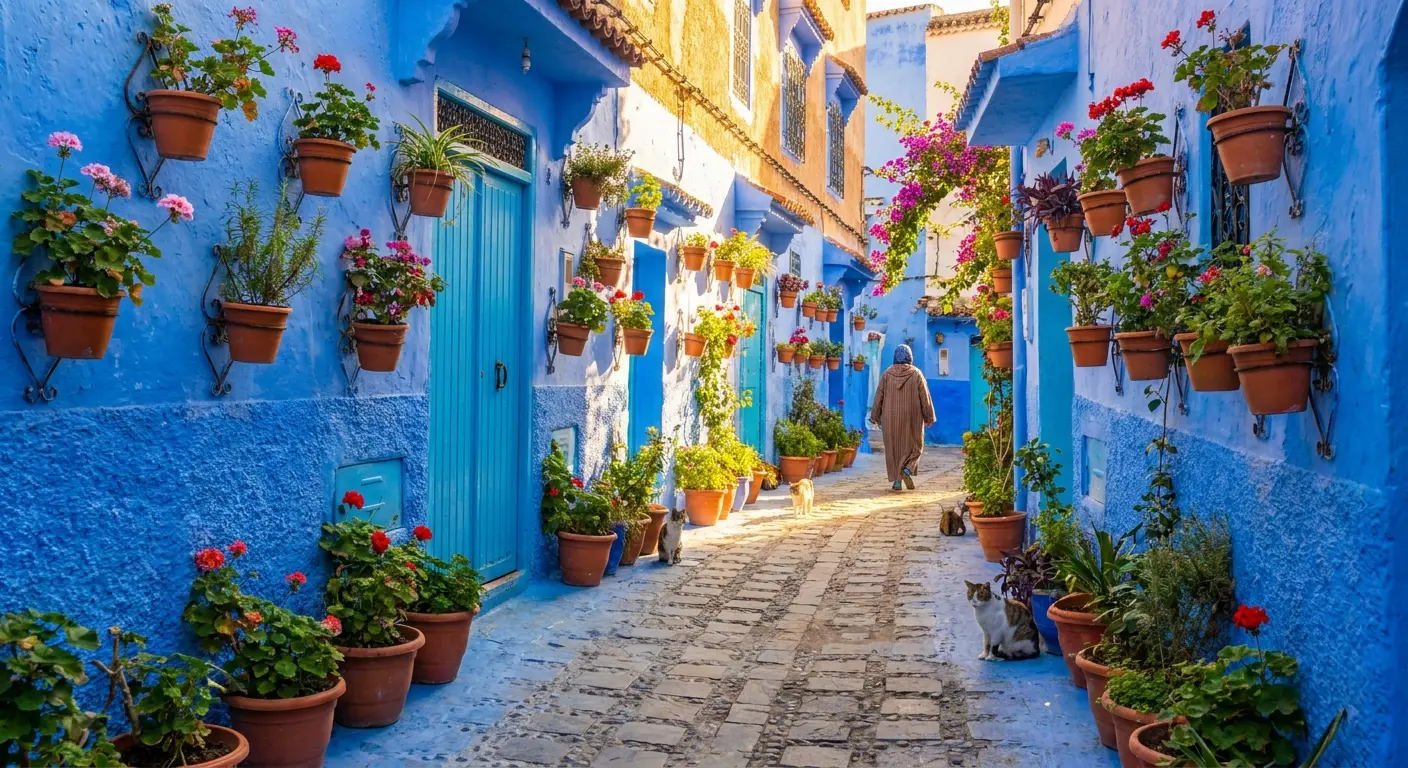
The murals covering the medina walls are renewed annually at the August arts festival — international and Moroccan artists paint directly on the walls, making the medina a living gallery. The tradition of painted houses with blue, green, and purple accents (different from Chefchaouen's blue) is distinctly Asilahi.

CHAPTER VII

The people

The people of Asilah

A small town of fishermen and artists, Asilah lives by the seasons: very quiet in winter, full in summer with holidaymakers from Tangier, Rabat and abroad. Many residents have helped paint the walls during the Moussem.

Northern darija

People speak northern darija, with Spanish words and its "tch" sound; Spanish is widely understood.

CHAPTER VIII

At the table

Catch of the daySardines, squid and sea bream grilled in the restaurants below the walls, at gentle prices out of season.

CHAPTER IX

Did you know?

  • The Portuguese built the ramparts in 1471; King Sebastian landed here in 1578 before the Battle of the Three Kings.
  • The Asilah cultural Moussem has been held since 1978.
  • The Raisuni palace was built by rebel chief Moulay Ahmed al-Raisuni in the early 20th century.

Frequently asked questions about Asilah

How many days do you need in Asilah?

Allow 1–2 days to see Asilah without rushing. That is the length we use in our itineraries.

When is the best time to visit Asilah?

The best months for Asilah are May, June, September and October.

How much does a day in Asilah cost?

Per person per day, accommodation included: about $35 on a budget, $80 mid-range and $200 for a luxury stay.

How do you get to Asilah?

Train from Tangier (45 min), Rabat (2.5h). CTM bus from Tangier (1h). The most scenic option is the coastal train.

What is there to see in Asilah?

The must-sees of Asilah: Medina murals, Portuguese ramparts, Paradise Beach and Raisuli Palace.

What should you eat in Asilah?

To taste in Asilah: Khobz, Moroccan mint tea, Oranges with cinnamon and Msemen.

Where should you stay in Asilah?

The best areas to stay: Medina and Ville Nouvelle.

Is Asilah safe?

Yes, Asilah welcomes many travellers every year. The precautions are those of any tourist destination: watch your belongings in crowds, politely turn down unofficial guides, agree on a taxi fare before getting in.

Is Asilah good for families?

Yes, Asilah is easy to visit with children.

Sources

To go further and check what we write.

Other sources

Read next

THE END

Now go and see Asilah.

By Yassine and Issam · Spotted a mistake? Tell us