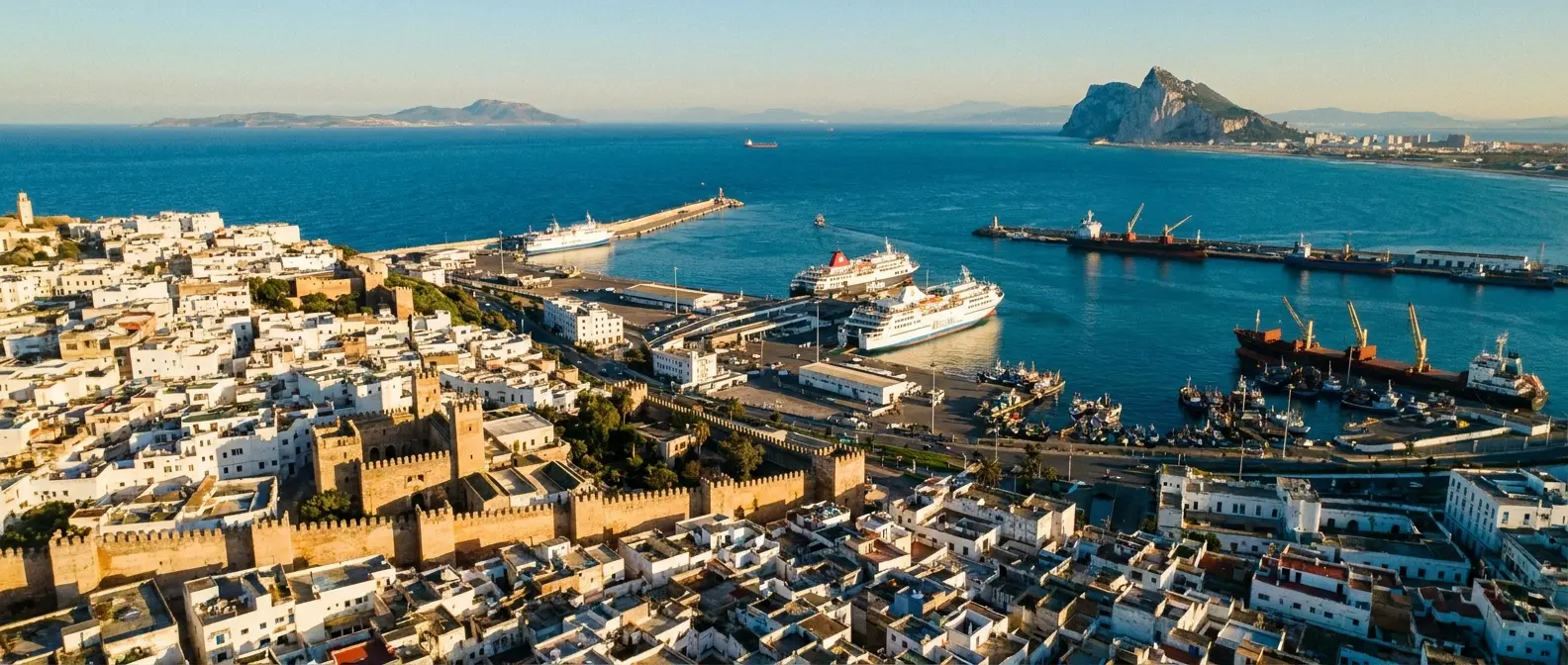

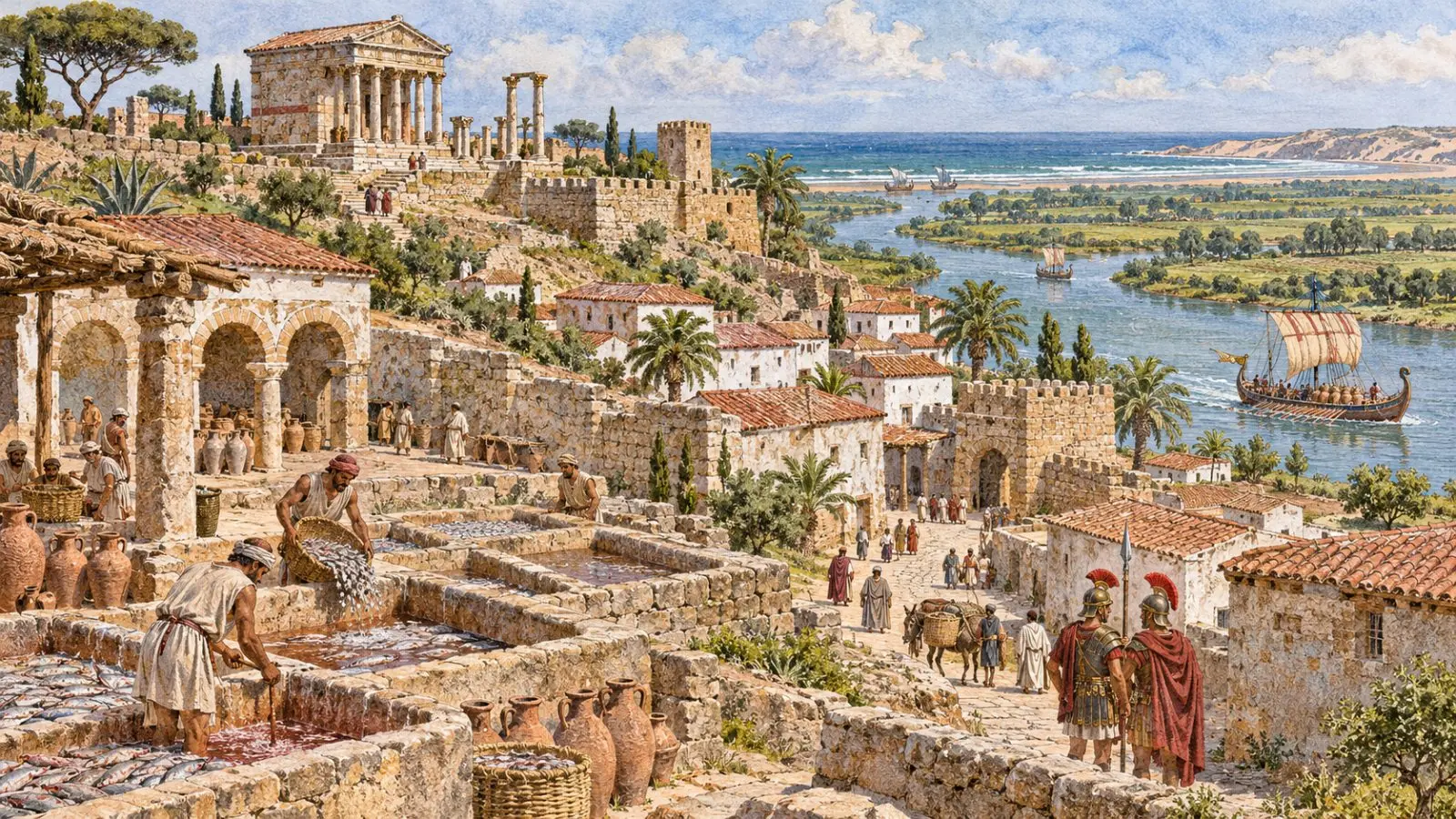
Lixus and the mouth of the Loukkos

THE BOOK OF

Larache — All about Larache

العرائش

History, places, people, culture and food of Larache, told by two Moroccans.

10 chapters3 min readBy Yassine and Issam
Things to do in Larache
CONTENTS · I
  1. I. At a glance
  2. II. History
  3. III. Key dates
  4. IV. Landmarks
  5. V. People
  6. VI. Culture and traditions
  7. VII. The people
  8. VIII. At the table
  9. IX. Did you know?
  10. X. Frequently asked questions

CHAPTER I

At a glance

Above the mouth of the Loukkos, the ruins of Lixus recall one of the oldest Phoenician trading posts in Africa and the myth of the Garden of the Hesperides. Below, Larache keeps its medina, its Spanish forts and the grave of the writer Jean Genet.

Arabic name
العرائش
Other names
Lixus · al-Araish · Larache
Coordinates
35.1932, -6.1561
Best months
Apr, May, Sept, Oct

CHAPTER II

History

Lixus, the city of Hercules

On the north bank of the Loukkos, facing today's town, stands Lixus. The Phoenicians developed it in the 8th-7th centuries BC over an older Bronze Age settlement, even before Carthage was founded. It later became a Mauretanian then Roman city.

Greek legend placed the Garden of the Hesperides here, where Hercules picked the golden apples. In March 2023 Moroccan archaeologists discovered a Mauretanian tomb more than 2,000 years old there.
Al-Araish of the Banu Arus

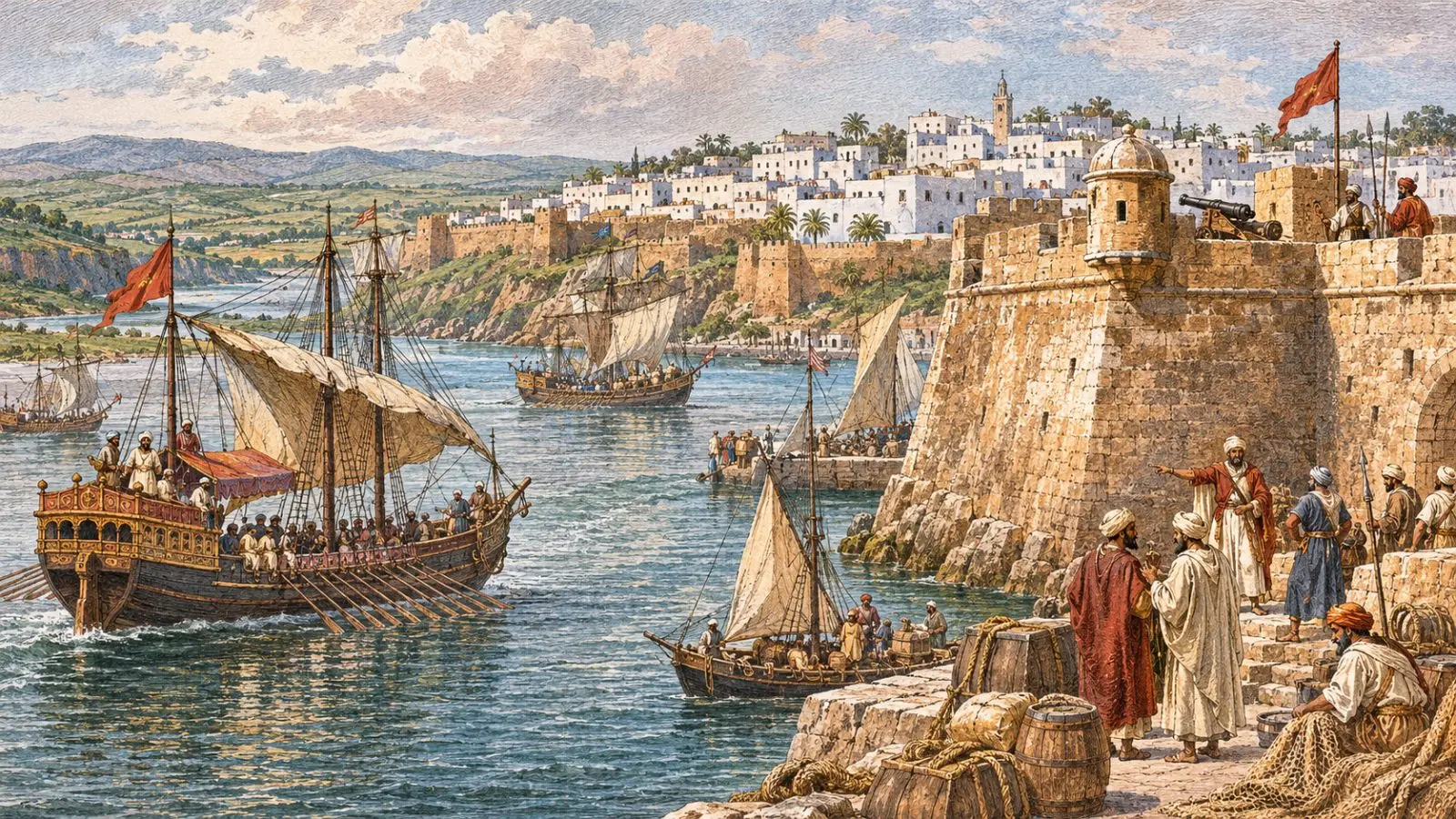
The town only appears in Arabic sources in the 13th century. It was founded by the Banu Arus, an Idrisid tribe, who named it al-Araish, "the trellises", for the region's abundant vines: al-Araish Bani Arus, "the trellises of the Banu Arus".

In the late 12th century the Almohad caliph Ya'qub al-Mansur built a fortress here. In 1270 the Castilians carried out a successful raid on the town.

Portuguese, Saadians and corsairs (1471-1610)

Larache and the Saadian fortress

In 1471, after taking Asilah and Tangier, the Portuguese drove out the inhabitants and the town stayed empty. Nearby, in 1489, they built the fortress of Graciosa. Larache's kasbah, built around 1491, later became a corsair stronghold.

The Saadian sultan Mohammed ash-Sheikh repopulated the town and built a fort at the harbour entrance to control access to the river. For a long time the Portuguese, Spanish and French failed to take it.

Spanish, then retaken by Moulay Ismail (1610-1689)

In 1610 the town passed to Spain, which used it mainly as a trading stop without really governing it. Moulay Ismail retook it in 1689.

European attacks continued: in 1765 a French expedition failed before Larache; in 1829 the Austrian fleet bombarded the town to punish privateering.

The Spanish protectorate and Jean Genet (1911-1986)

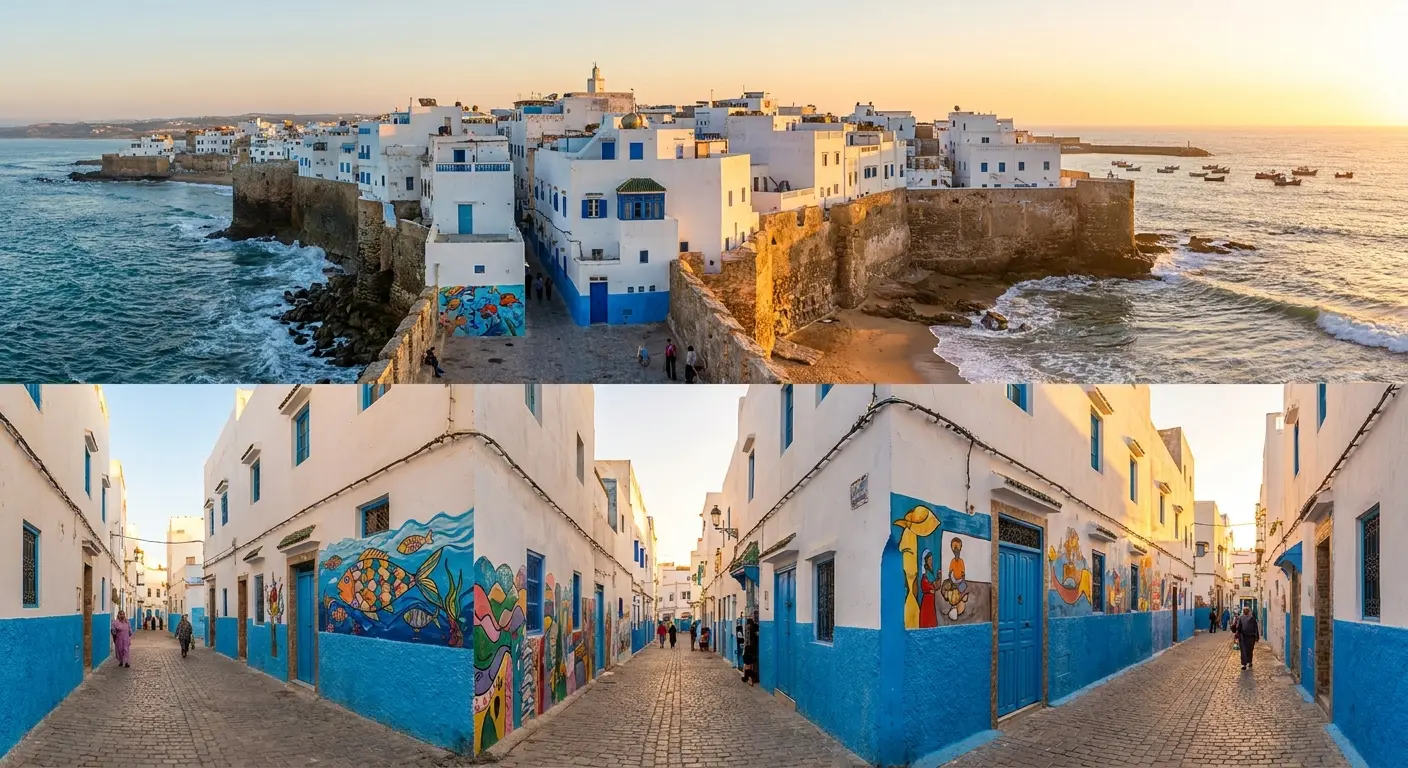
In 1911 Spain occupied Larache, which it kept for 45 years, until 1956. It built a new town around Liberation Square, with its white-and-blue arcades, and a balcony over the Atlantic.

The French writer Jean Genet, who loved the town, asked to be buried here: since 1986 he has lain in the old Spanish cemetery, facing the ocean.

CHAPTER III

Key dates

  1. 700 BC

    The Phoenicians found Lixus, linked by legend to the Garden of the Hesperides.

  2. 1610–1689

    Spanish occupation of Larache.

  3. 1911–1956

    Larache is part of the Spanish protectorate.

CHAPTER IV

Landmarks

1

The Lixus site

Salting tanks, baths, a theatre-amphitheatre and an acropolis overlooking the bends of the Loukkos.

2

The Atlantic balcony

The cliff-top promenade, looking over the port, the estuary and the Stork fort.

3

The Spanish cemetery

Facing the ocean, it is where Jean Genet lies; he chose to be buried in Larache.

CHAPTER V

People

  • Jean Genet1910–1986French writer who spent his last years between Larache and Tangier.
  • Moulay Ismaïl1645–1727The sultan who took the town back from the Spanish in 1689.

CHAPTER VI

Culture and traditions

A fishing town

The port on the Loukkos lives to the rhythm of its boats; the hinterland is covered in rice fields and strawberry farms.

The city maintains strong Andalusian musical traditions — malhun poetry and classical Andalusian music are performed in local cultural associations. The fishing community's rhythms set the pace of daily life; the port market at dawn is a local ritual. The Spanish-era central square (Plaza de la Liberación) remains the social heart where generations gather in the evenings.

CHAPTER VII

The people

The people of Larache

A town of fishermen and Loukkos farmers, Larache keeps the imprint of Spain, which occupied it twice. Residents are known as easy-going, attached to their ocean balcony and the cafés on the square.

A northern dialect

Larache darija is that of the northwest, mixed with Spanish; older people still speak the language of the protectorate era.

CHAPTER VIII

At the table

Seafood and strawberriesGrilled fish at the port, then, in spring, Loukkos strawberries sold by the roadside.

CHAPTER IX

Did you know?

  • The name is said to come from "el-Araish", the trellises, after the Loukkos vines and orchards.
  • Jean Genet, who died in 1986, asked to be buried in Larache.
  • In Greek legend, Hercules picked the golden apples of the Garden of the Hesperides at Lixus.

Frequently asked questions about Larache

How many days do you need in Larache?

Allow 1–2 days to see Larache without rushing. That is the length we use in our itineraries.

When is the best time to visit Larache?

The best months for Larache are April, May, September and October.

How much does a day in Larache cost?

Per person per day, accommodation included: about $30 on a budget, $70 mid-range and $150 for a luxury stay.

How do you get to Larache?

CTM and Supratours buses connect Larache to Tangier (1.5h), Rabat (3h) and Casablanca (4h). Grand taxis run to Ksar el-Kébir (30 min) where the nearest train station is. No airport — closest is Tangier Ibn Battouta (90km).

What is there to see in Larache?

The must-sees of Larache: Lixus Ruins, Kasbah de la Cigogne, Medina of Larache and Jean Genet's Tomb.

What should you eat in Larache?

To taste in Larache: Khobz, Moroccan mint tea, Oranges with cinnamon and Msemen.

Where should you stay in Larache?

The best areas to stay: Medina, Ville Nouvelle and Port Quarter.

Is Larache safe?

Yes, Larache welcomes many travellers every year. The precautions are those of any tourist destination: watch your belongings in crowds, politely turn down unofficial guides, agree on a taxi fare before getting in.

Is Larache good for families?

Yes, Larache is easy to visit with children.

Sources

To go further and check what we write.

Other sources

Read next

THE END

Now go and see Larache.

By Yassine and Issam · Spotted a mistake? Tell us