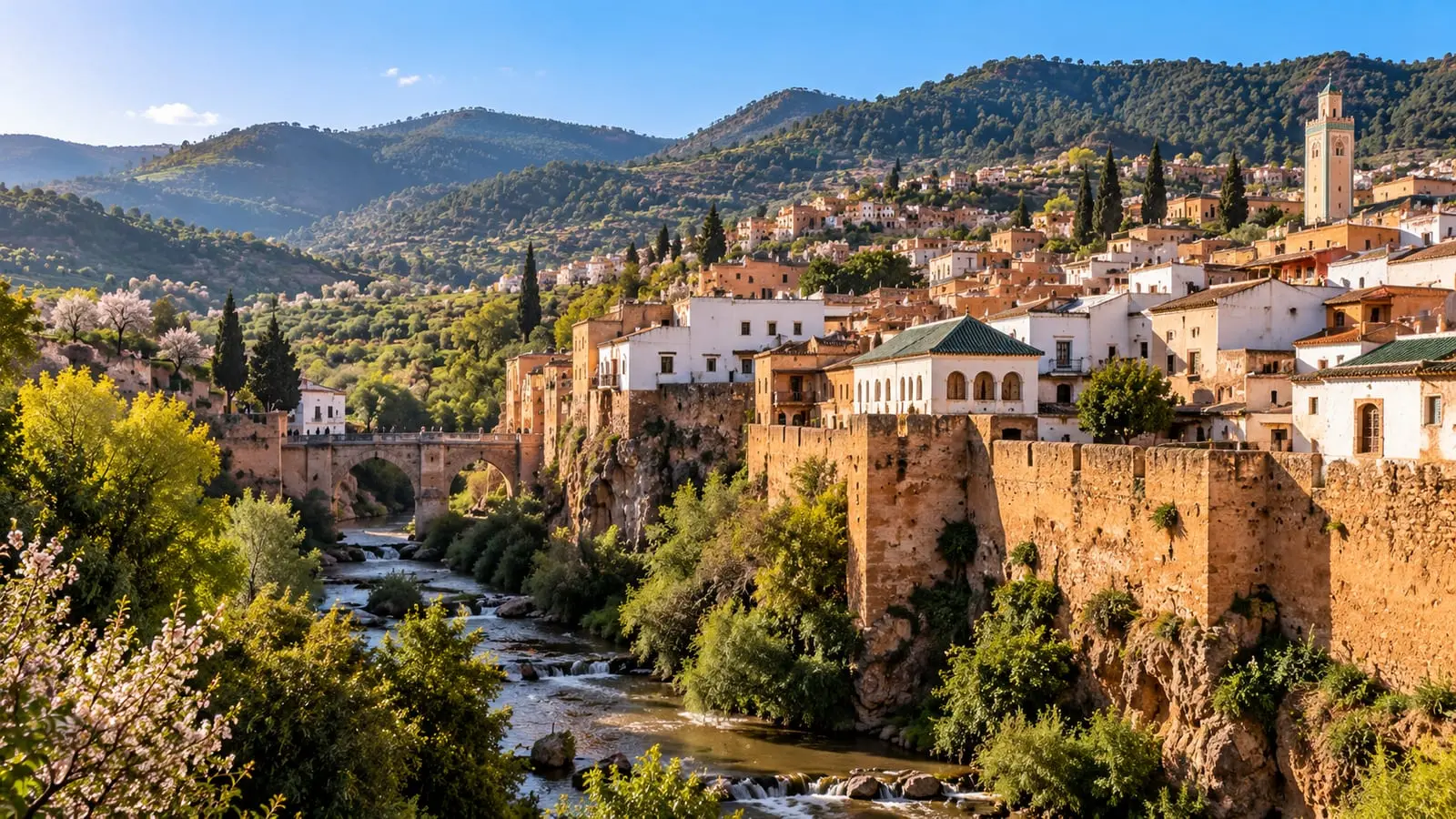
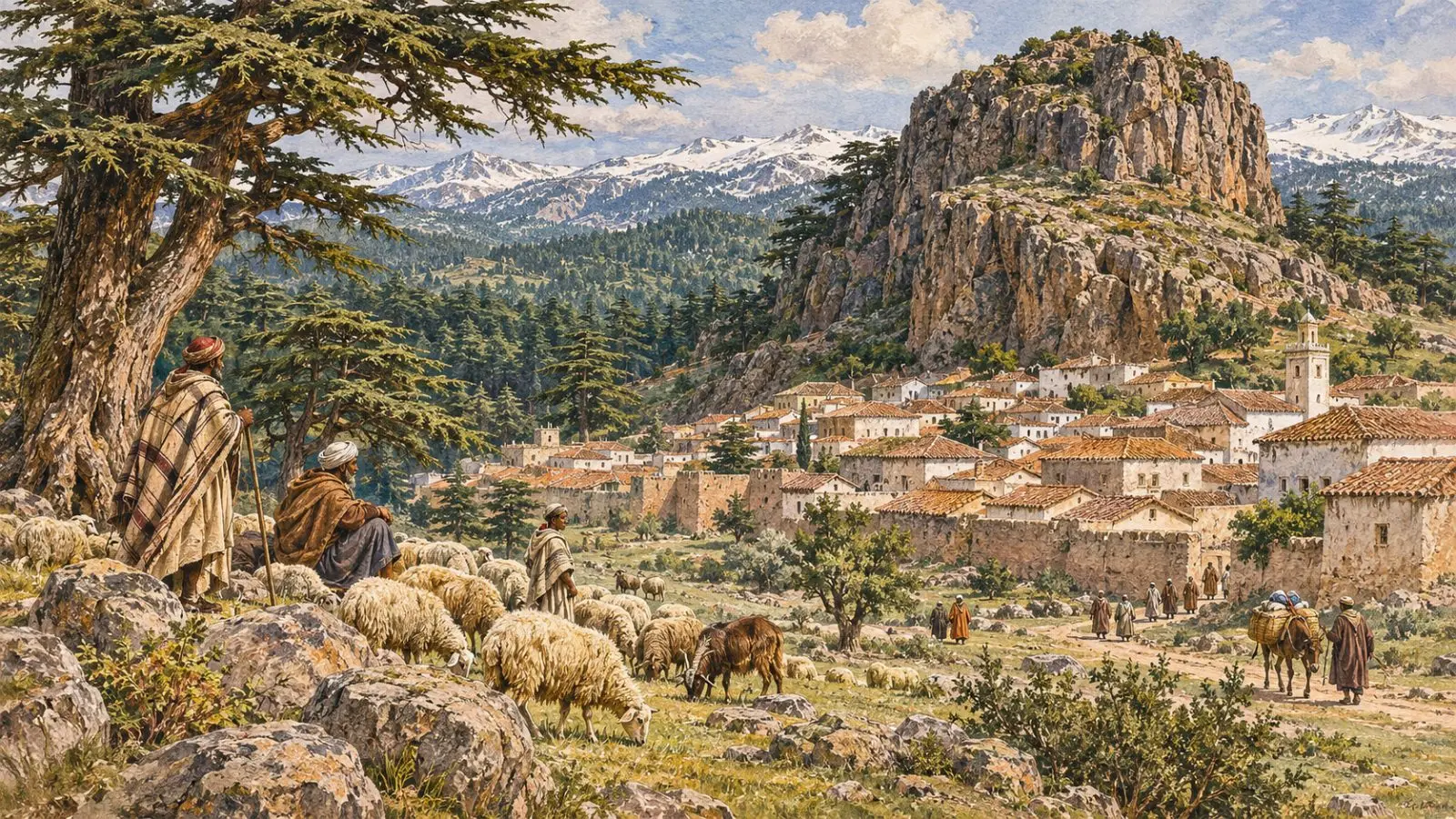
the rock of Azrou and the cedar forest

THE BOOK OF

Azrou — All about Azrou

أزرو

History, places, people, culture and food of Azrou, told by two Moroccans.

10 chapters3 min readBy Yassine and Issam
Things to do in Azrou
CONTENTS · I
  1. I. At a glance
  2. II. History
  3. III. Key dates
  4. IV. Landmarks
  5. V. People
  6. VI. Culture and traditions
  7. VII. The people
  8. VIII. At the table
  9. IX. Did you know?
  10. X. Frequently asked questions

CHAPTER I

At a glance

Azrou, “the rock” in Tamazight, is a mountain town in the heart of the Atlas's largest cedar forests, home of the Barbary macaques. It is the land of the Beni M'Guild, who held out against the French army in the early 20th century.

Arabic name
أزرو
Coordinates
33.4342, -5.2215
Best months
Apr, May, Jun, Sept, Oct

CHAPTER II

History

The rock of the Beni Mguild

Azrou takes its name from the Amazigh word azru, "stone, rock", after the large volcanic rock that overlooks the town. With its souks, it is the centre of the Beni Mguild Amazigh tribes of the Middle Atlas, sheep herders.

The oldest known mention of the town is in an early 16th-century letter from Fernão Taveira to King Manuel I of Portugal.
The Berber college and the 1930 dahir

Under the protectorate, the French authorities opened the Berber college at Azrou, the region's first secondary school, to train Moroccans for the colonial administration. It was one of the instruments of the 1930 Berber dahir, which removed Amazigh-speaking areas from the makhzen's justice and sharia to place them under customary law written in French.

The dahir sparked strong protests in the cities and became a driving force of the nationalist movement. After independence the college became Tarik Ibn Ziad high school, which until 1973 trained part of the country's political and military elite.

Toumliline, the monastery of dialogue (1952-1968)

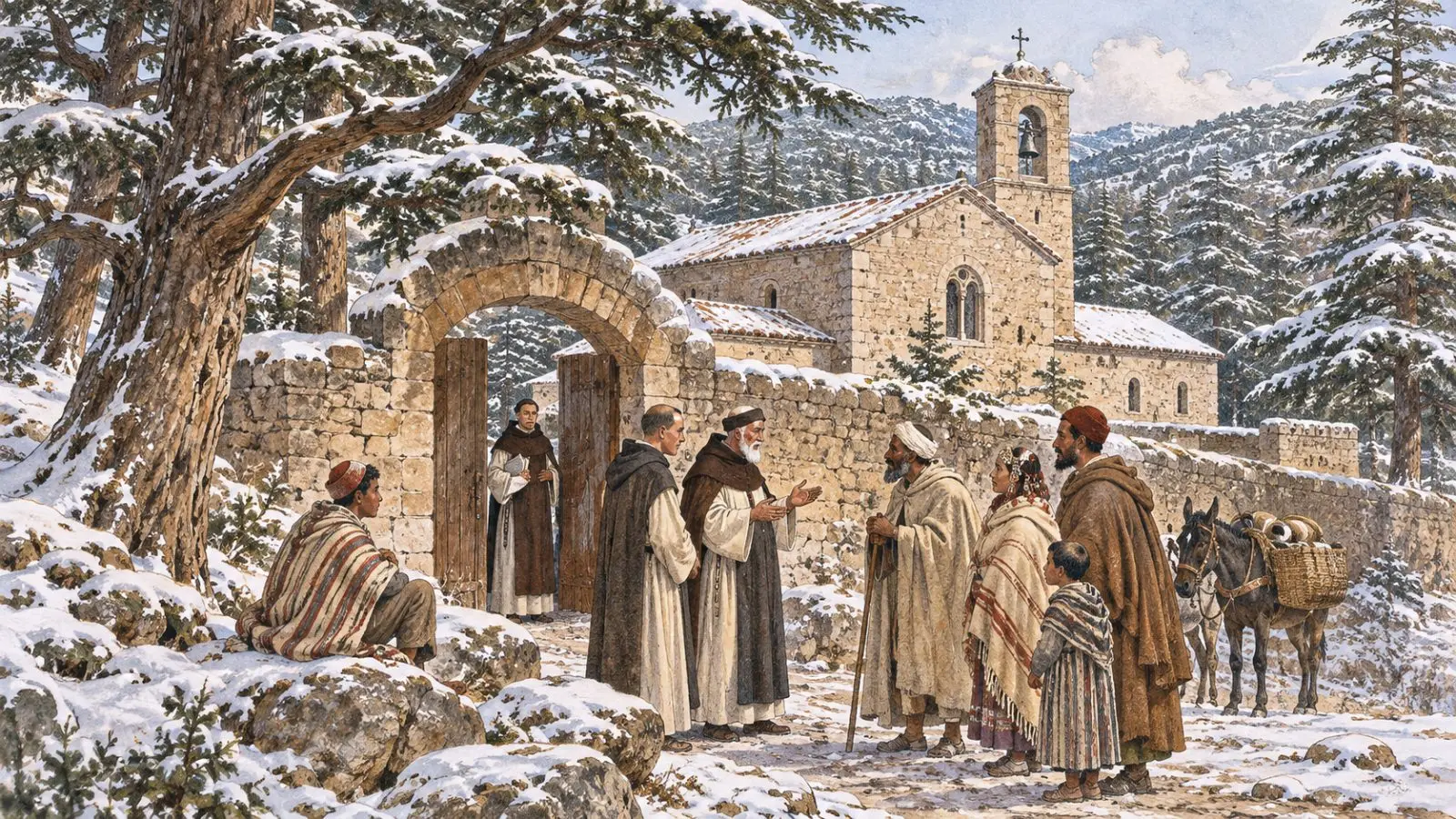
Toumliline, the monastery of dialogue

In 1952 twenty Benedictine monks founded the monastery of Toumliline near Azrou. From 1955 to 1964 it hosted international meetings between Christians, Jews and Muslims devoted to interfaith dialogue and the future of independent Morocco.

The monastery closed in 1968. Around 2010 its buildings served as a set for the film "Of Gods and Men", about the monks of Tibhirine.

Capital of the Middle Atlas

After independence Azrou was long overshadowed by neighbouring Ifrane, which became the provincial capital. Yet in practice it remains the main trading centre of the Middle Atlas, and the town has given Morocco many leaders and intellectuals.

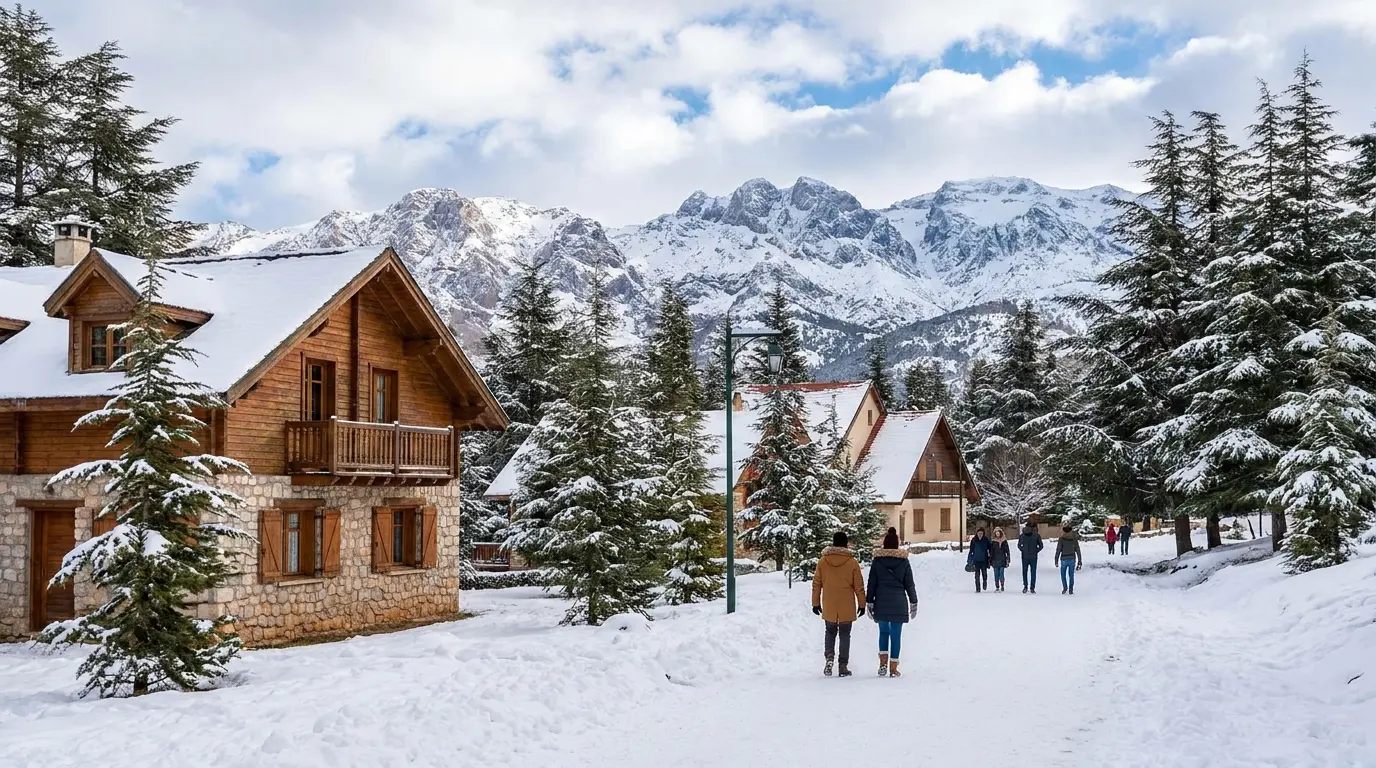
Today Azrou draws visitors for its cedar forest, Barbary macaques and Tuesday souk, and a cultural centre livens local life.

CHAPTER III

Key dates

  1. 1600–1700

    Moulay Ismail builds a kasbah here to watch the Middle Atlas tribes.

  2. 1927

    The Collège berbère of Azrou opens, one of the key schools of the protectorate.

CHAPTER IV

Landmarks

1

The cedar forest

Centuries-old Atlas cedars and Barbary macaques, North Africa's only wild monkeys; please don't feed them.

2

The rock and the souk

The big rock that gives the town its name looks over the Tuesday souk, known for Berber rugs.

3

Lake Aguelmam Azigza

A green lake ringed by cedars, further south towards Khenifra, perfect for a quiet walk.

CHAPTER V

People

  • Moha ou Hammou Zayani1857–1921Leader of the Zayane, a symbol of the Middle Atlas resistance, killed in battle in 1921.

CHAPTER VI

Culture and traditions

Ahidous

The great group dance of the Middle Atlas, shoulder to shoulder, to frame drums and improvised poetry.

Azrou is the centre of Middle Atlas Berber carpet weaving — the distinctive geometric patterns in bold red, orange and black are specific to this region and differ markedly from the carpets of Marrakech or Rabat. The Tuesday souk is one of the most authentic rural markets in Morocco, drawing Berber farmers from the surrounding plateau villages. The cedar honey of the region is produced by small-scale beekeepers and considered among Morocco's finest.

CHAPTER VII

The people

The Beni Mguild

Azrou is the market town of the Beni Mguild, an Amazigh herding tribe of the Middle Atlas. On Tuesdays they come down to sell sheep, wool and rugs. The region's geometric rugs are woven by women at home.

Middle Atlas Tamazight

Tamazight is the town's language; ahidous, sung and danced in a circle, sets the rhythm of summer weddings.

CHAPTER VIII

At the table

Mountain mechouiThe butcher-grills along the Azrou road roast lamb from the high pastures.

CHAPTER IX

Did you know?

  • The Berber college of Azrou, founded in 1927, trained part of Morocco's elite.
  • The Barbary macaque is the only wild monkey in North Africa, and it is endangered.
  • The Gouraud cedar, a forest giant, long symbolised the region before it died.

Frequently asked questions about Azrou

How many days do you need in Azrou?

Allow 1–2 days to see Azrou without rushing. That is the length we use in our itineraries.

When is the best time to visit Azrou?

The best months for Azrou are April, May, June, September and October.

How much does a day in Azrou cost?

Per person per day, accommodation included: about $25 on a budget, $60 mid-range and $120 for a luxury stay.

How do you get to Azrou?

Grand taxis from Meknès (1h), Ifrane (20 min) and Midelt (2h). CTM bus stop on the main Fes–Marrakech highway. No train or airport — driving or grand taxi is the standard approach.

What is there to see in Azrou?

The must-sees of Azrou: Cedar Forest & Barbary Macaques, Azrou Rock (Aguelmouss), Lac Azigza and Tuesday Souk.

What should you eat in Azrou?

To taste in Azrou: Khobz, Moroccan mint tea, Oranges with cinnamon and Msemen.

Where should you stay in Azrou?

The best areas to stay: Town Centre, Cedar Road and Souk Quarter.

Is Azrou safe?

Yes, Azrou welcomes many travellers every year. The precautions are those of any tourist destination: watch your belongings in crowds, politely turn down unofficial guides, agree on a taxi fare before getting in.

Is Azrou good for families?

Yes, Azrou is easy to visit with children.

Sources

To go further and check what we write.

Other sources

Read next

THE END

Now go and see Azrou.

By Yassine and Issam · Spotted a mistake? Tell us