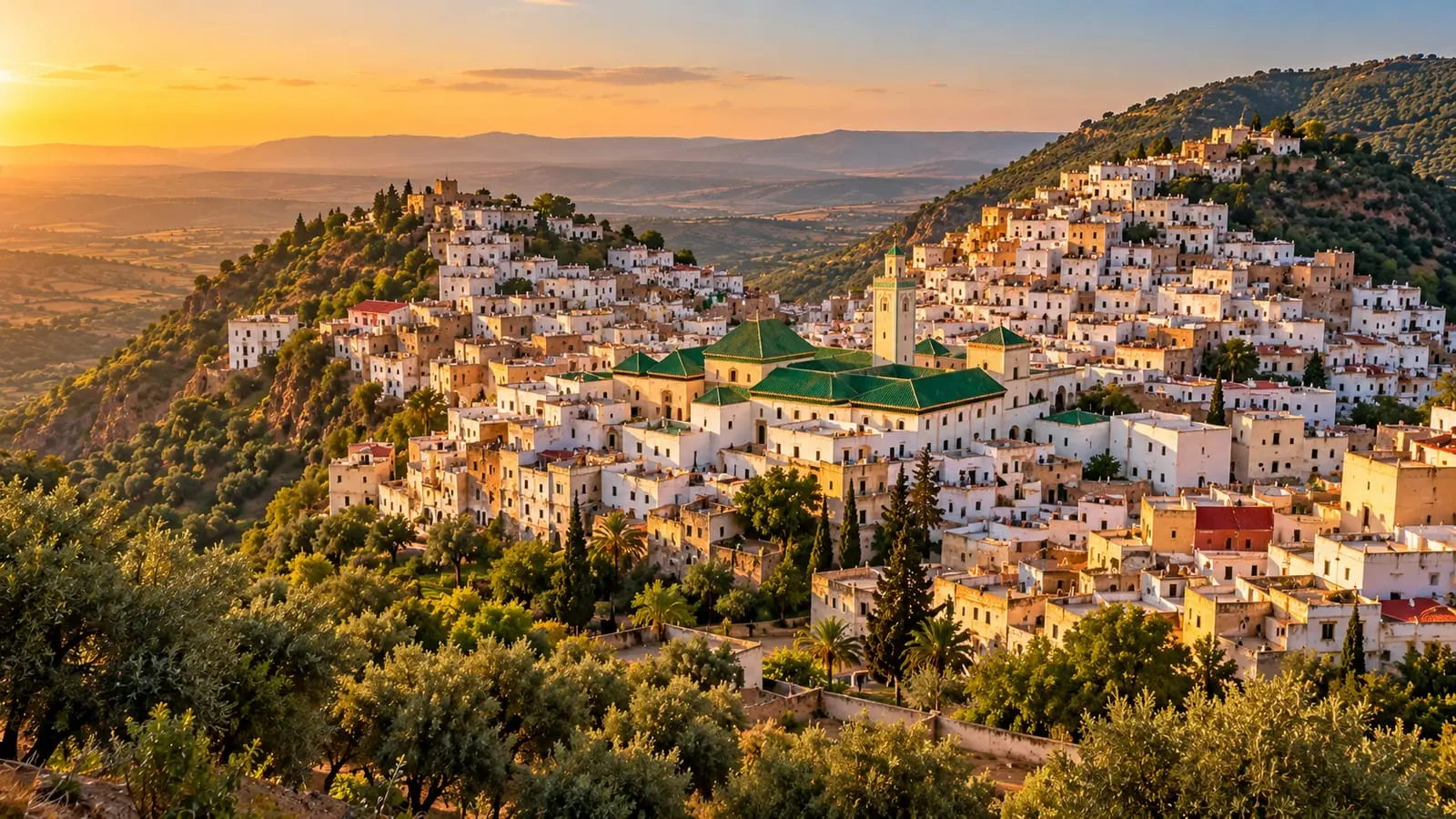
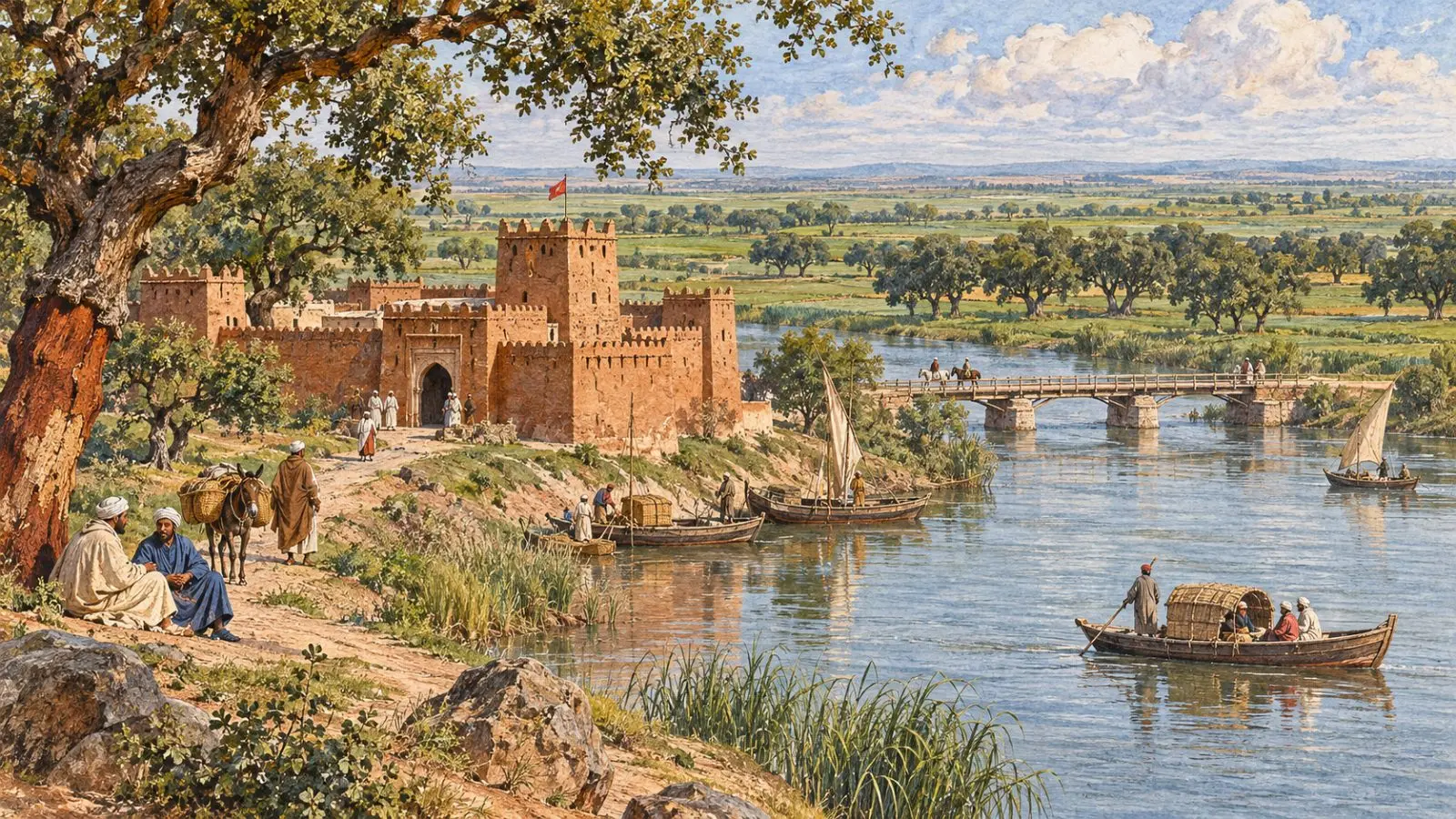
the Kenitra kasbah on the Sebou river

THE BOOK OF

Kenitra — All about Kenitra

القنيطرة

History, places, people, culture and food of Kenitra, told by two Moroccans.

10 chapters3 min readBy Yassine and Issam
Things to do in Kenitra
CONTENTS · I
  1. I. At a glance
  2. II. History
  3. III. Key dates
  4. IV. Landmarks
  5. V. People
  6. VI. Culture and traditions
  7. VII. The people
  8. VIII. At the table
  9. IX. Did you know?
  10. X. Frequently asked questions

CHAPTER I

At a glance

Founded in 1913 on the Sebou river and named Port-Lyautey under the protectorate, Kenitra is a young town. But at the river mouth, the Mehdia kasbah tells a thousand years of battles, up to the American landing of 1942.

Arabic name
القنيطرة
Other names
Port-Lyautey
Coordinates
34.2610, -6.5802
Best months
Oct, Nov, Feb, Mar, Apr

CHAPTER II

History

Thymiaterion and Thamusida
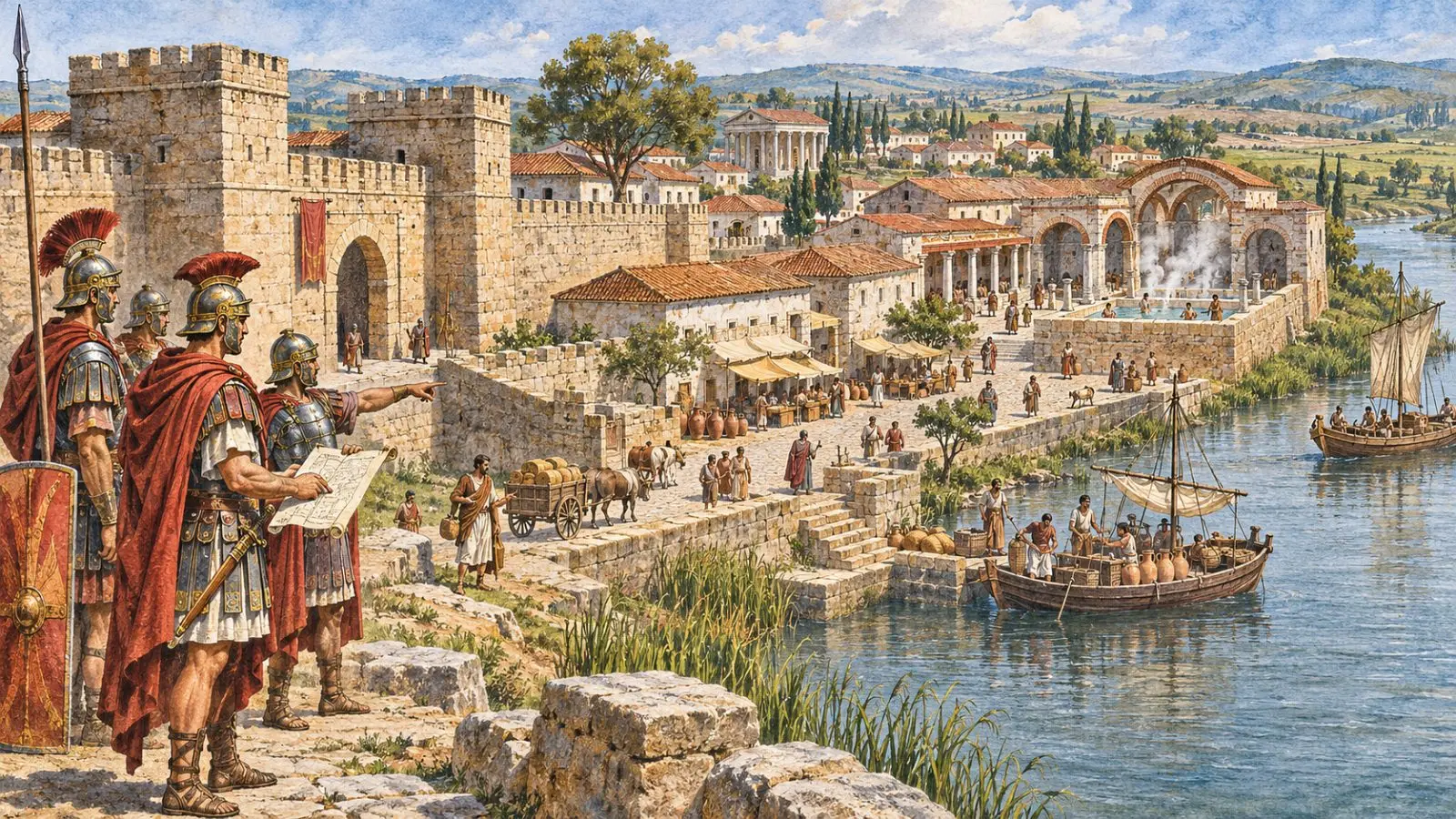
Thamusida, the Roman camp on the Sebou

Several historians identify the mouth of the Sebou, at Mehdia, with the trading post of Thymiaterion, which the Carthaginian navigator Hanno said he founded in the 6th century BC, two days beyond the Pillars of Hercules, above a great plain.

From about AD 40 to 280 the small Roman town of Thamusida stood on the left bank of the Sebou, some twenty kilometres away. In the 10th century Arab authors mention a town at the river mouth called al-Ma'mura, "the flourishing". In the 12th century the Almohads settled Arab tribes on the Gharb plain, where they lived alongside the Berbers.
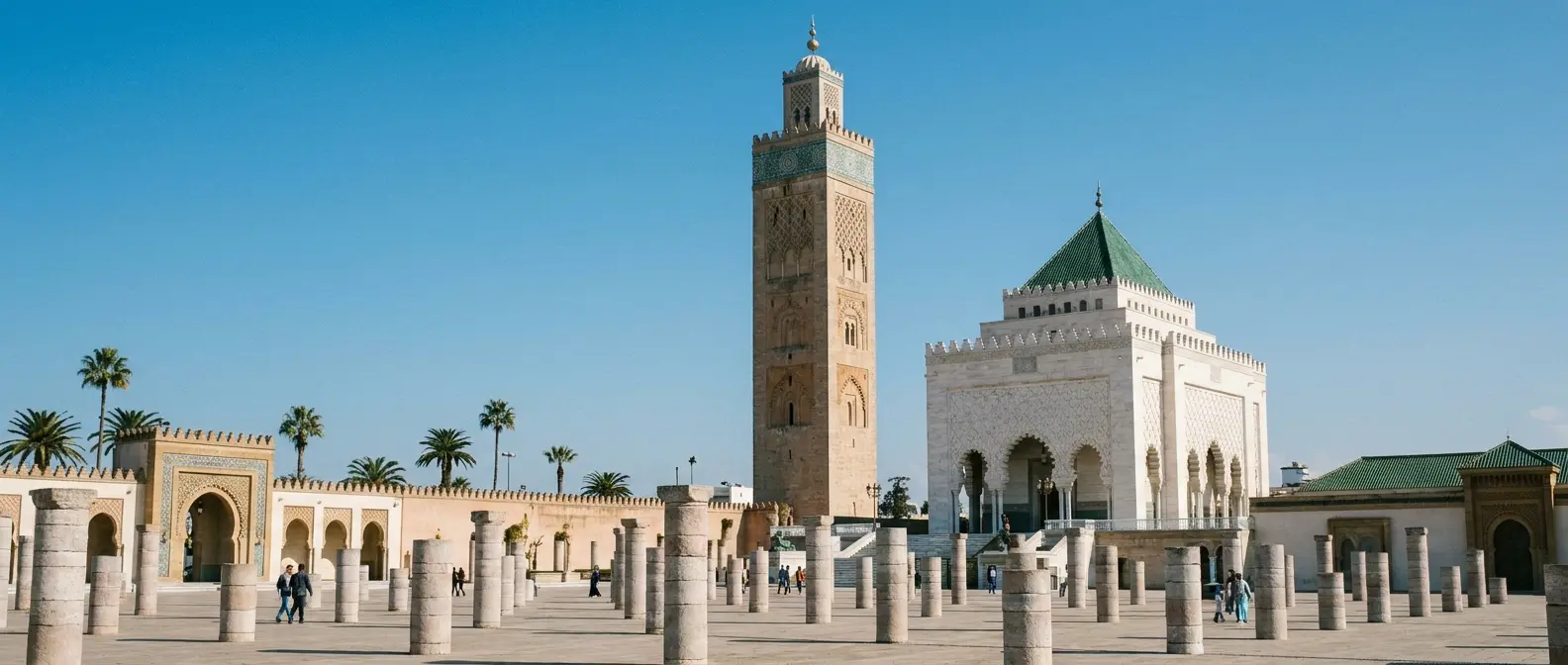
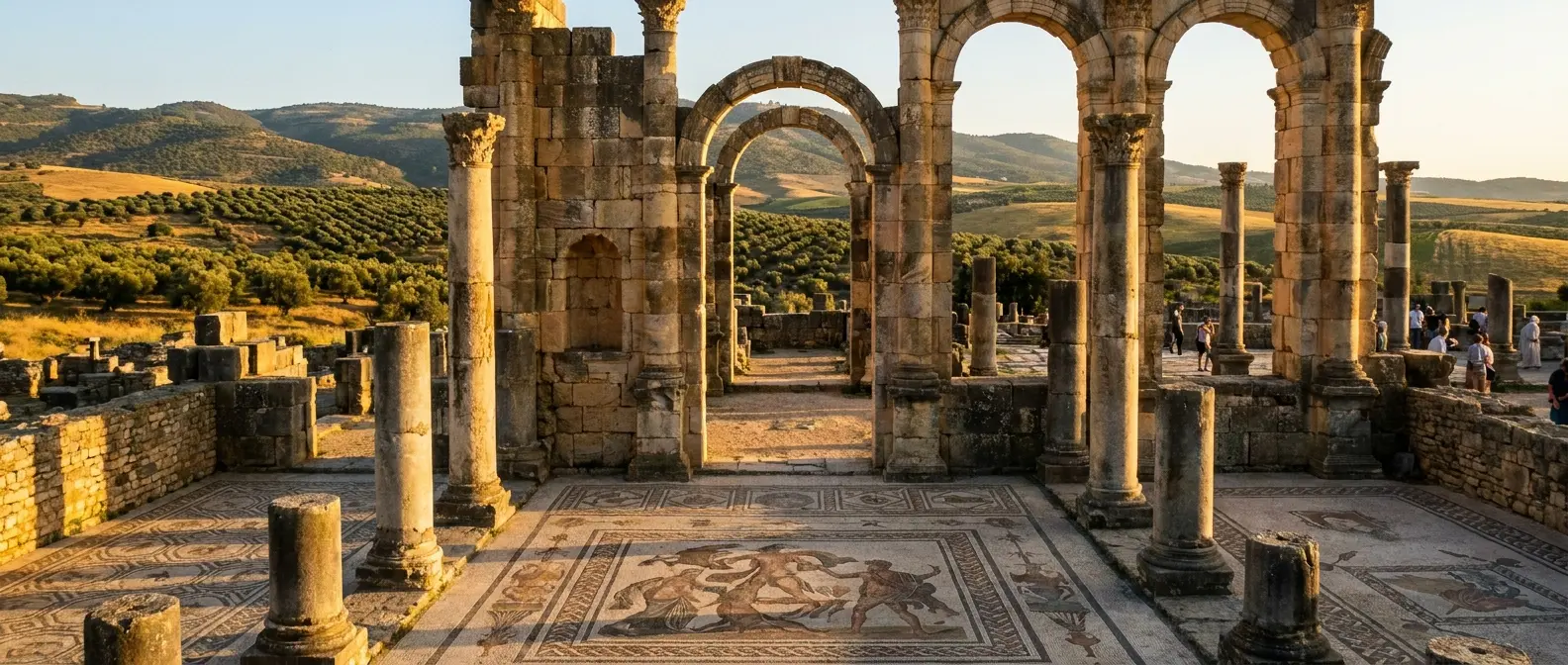
The 1895 kasbah and the "little bridge"

Between 1895 and 1896, under Sultan Moulay Abdelaziz, a kasbah was built on the left bank of the Sebou: a square about a hundred metres a side, flanked by towers. On 19 May 1911 the French captain Petitjean was killed in a fight two kilometres away; his body was brought back to the kasbah.

The town's name comes from the Arabic qnitra, "little bridge", after a culvert built over a stream upstream of the kasbah, destroyed in 1928.

Port-Lyautey (1912-1956)

The modern town was built on Lyautey's orders from 1912, with a master plan signed on 19 December 1914, around a river port on the Sebou. In 1932 it was renamed Port-Lyautey.

On 8 November 1942, during Operation Torch, American troops landed at Mehdia, at the mouth of the Sebou, to seize the Port-Lyautey naval air base, opened in 1939, and the railway junction towards Algeria. After hard fighting around the Mehdia kasbah, a ceasefire came on 11 November. The Americans set up an air base here, which operated until 1991.

Kenitra today

In March 1956, at independence, the town took back the name Kenitra. It became a major industrial and university centre of the Gharb plain, with Ibn Tofail University.

In the 21st century the Atlantic Free Zone has drawn car factories, including Stellantis's plant, and since 2018 the town has been served by the Al Boraq high-speed train between Tangier and Casablanca.

CHAPTER III

Key dates

  1. 1913

    The French found a river port on the Sebou.

  2. 1932–1956

    The town is called Port-Lyautey.

CHAPTER IV

Landmarks

1

The Mehdia kasbah

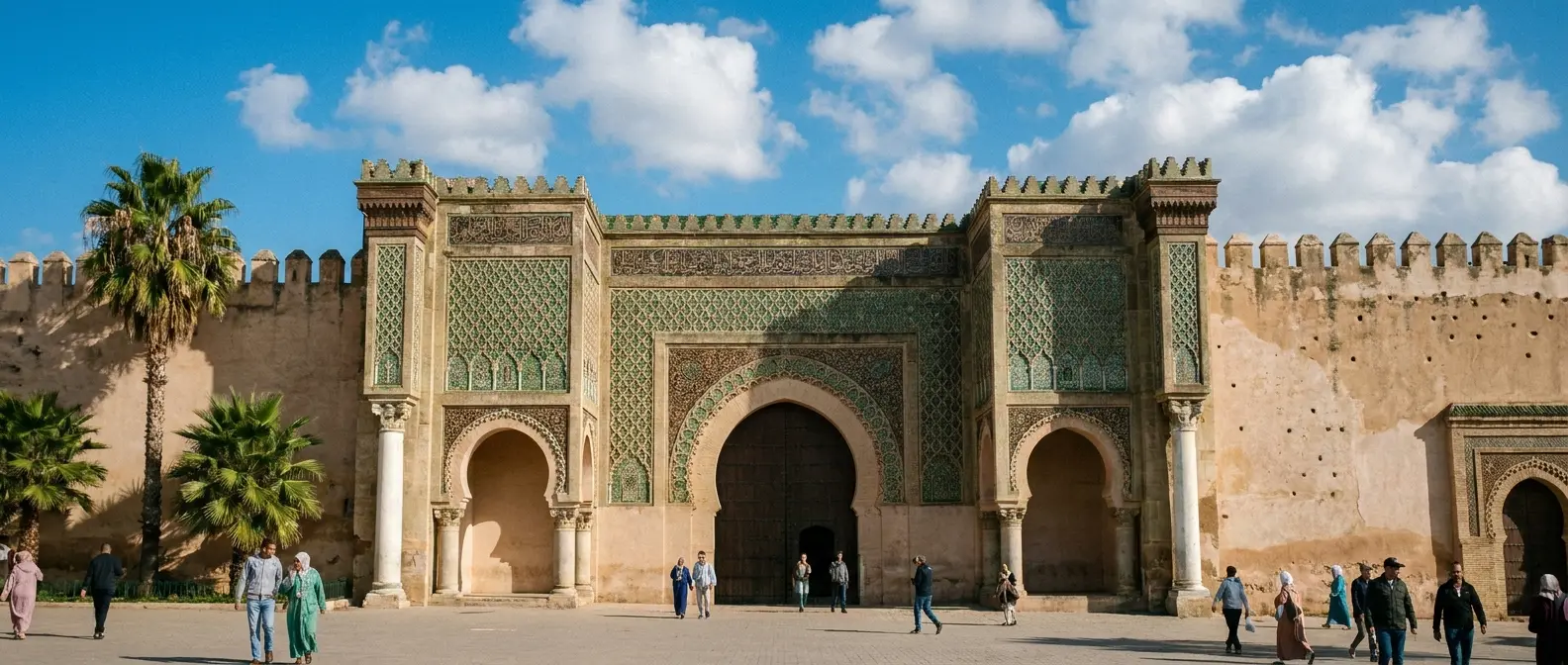
Walls and a monumental gate above the estuary, with Mehdia beach below.

2

Lake Sidi Boughaba

A freshwater nature reserve between dunes and forest, precious for migrating birds.

3

The Maamora forest

One of the largest cork oak forests in the world, between Kenitra and Rabat.

CHAPTER V

People

  • Moulay Ismaïl1645–1727He took Mehdia back from the Spanish in 1681.

CHAPTER VI

Culture and traditions

A Gharb town

Capital of the Gharb farming plain, Kenitra has also become a hub of the car industry.

Kénitra has a strong civic and musical culture, particularly jazz — the city hosts an annual international jazz festival. The Sebou river fishing community maintains traditions stretching back centuries, particularly eel and shad fishing in spring. The surrounding Gharb agricultural plain produces some of Morocco's finest sugar beet, cotton and citrus, and the weekly rural markets reflect this agricultural abundance.

CHAPTER VII

The people

A young city

Kenitra was born in the 20th century and was settled by workers, railwaymen and Gharb plain farmers. With its university and car factories, it's now a city of students and engineers.

Gharb darija

Gharb darija is rural and sing-song, close to that of the Atlantic plains.

CHAPTER VIII

At the table

Mehdia fishSmall fish-fry stalls and grills at Mehdia port, facing the mouth of the Sebou.

CHAPTER IX

Did you know?

  • The city was called Port-Lyautey from 1932 to 1956, after the first French resident-general.
  • The Mamora forest next door is the world's largest cork-oak forest.
  • A US naval air station operated here until 1991.

Frequently asked questions about Kenitra

How many days do you need in Kenitra?

Allow 1–2 days to see Kenitra without rushing. That is the length we use in our itineraries.

When is the best time to visit Kenitra?

The best months for Kenitra are October, November, February, March and April.

How much does a day in Kenitra cost?

Per person per day, accommodation included: about $30 on a budget, $65 mid-range and $130 for a luxury stay.

How do you get to Kenitra?

Trains from Rabat (40 min) and Casablanca (1.5h) run frequently. CTM buses connect to Tangier (2.5h) and Fes (3h). No commercial airport — closest is Rabat-Salé (50km).

What is there to see in Kenitra?

The must-sees of Kenitra: Merja Zerga National Park, Moulay Bousselham, Thamusida Roman Ruins and Mamora Forest.

What should you eat in Kenitra?

To taste in Kenitra: Khobz, Moroccan mint tea, Oranges with cinnamon and Msemen.

Where should you stay in Kenitra?

The best areas to stay: Ville Nouvelle, Medina and Port Quarter.

Is Kenitra safe?

Yes, Kenitra welcomes many travellers every year. The precautions are those of any tourist destination: watch your belongings in crowds, politely turn down unofficial guides, agree on a taxi fare before getting in.

Is Kenitra good for families?

Yes, Kenitra is easy to visit with children.

Sources

To go further and check what we write.

Other sources

Read next

THE END

Now go and see Kenitra.

By Yassine and Issam · Spotted a mistake? Tell us