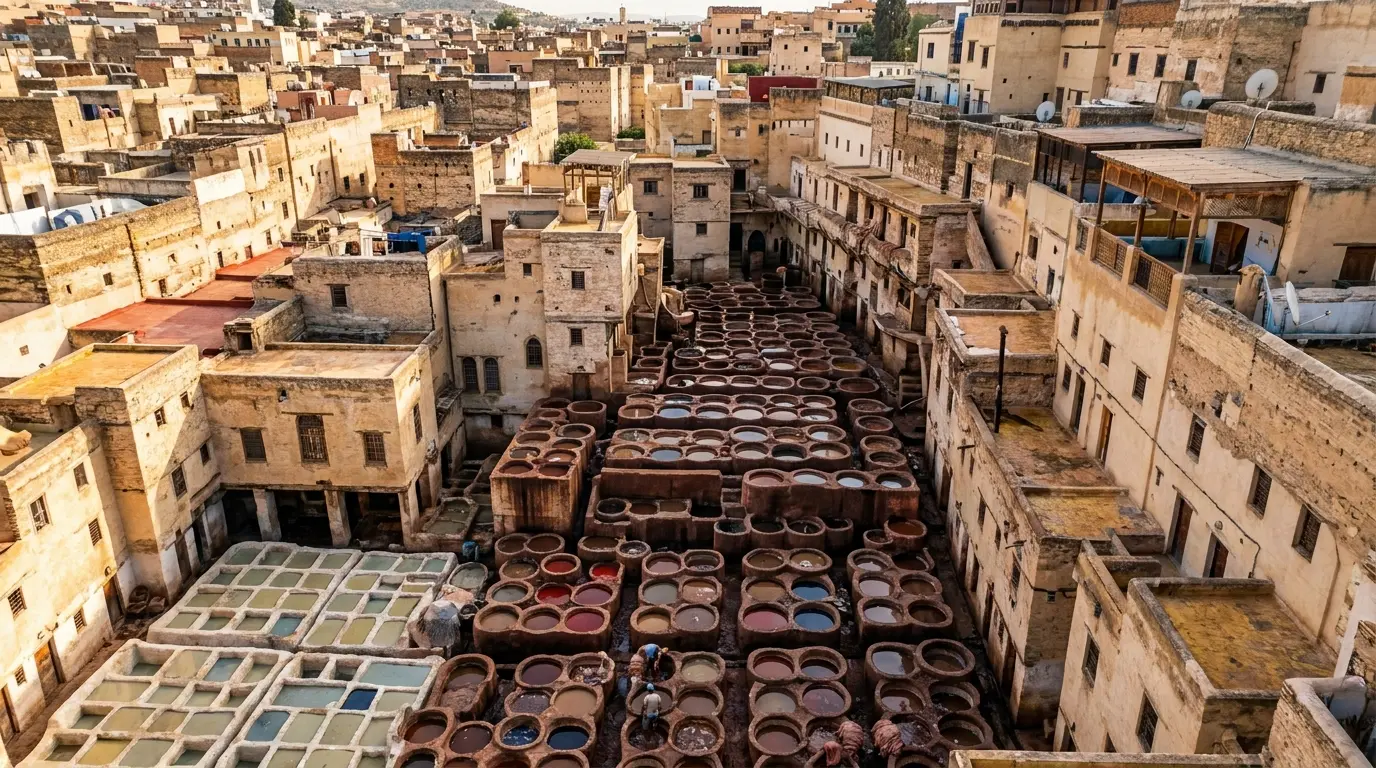
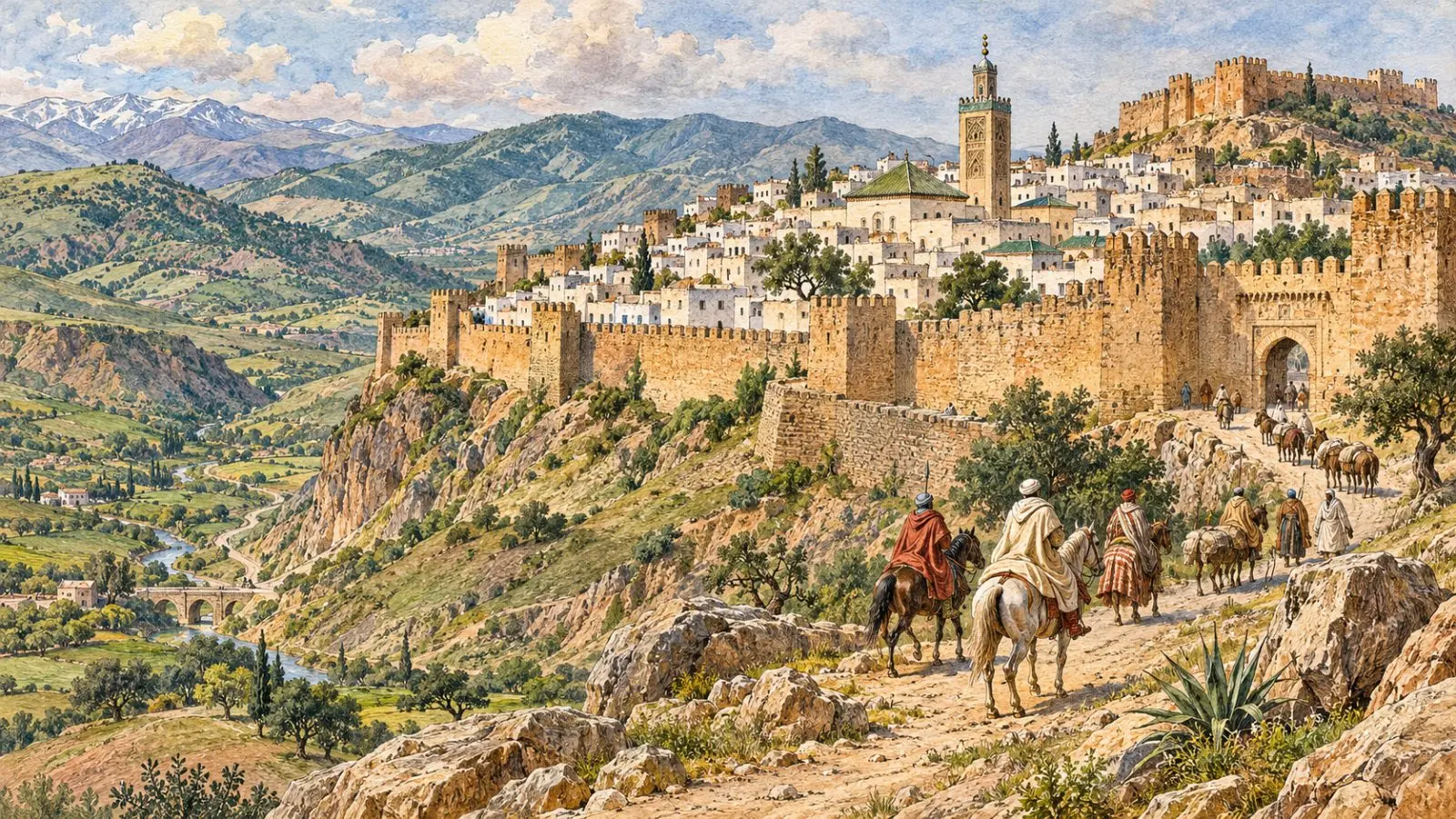
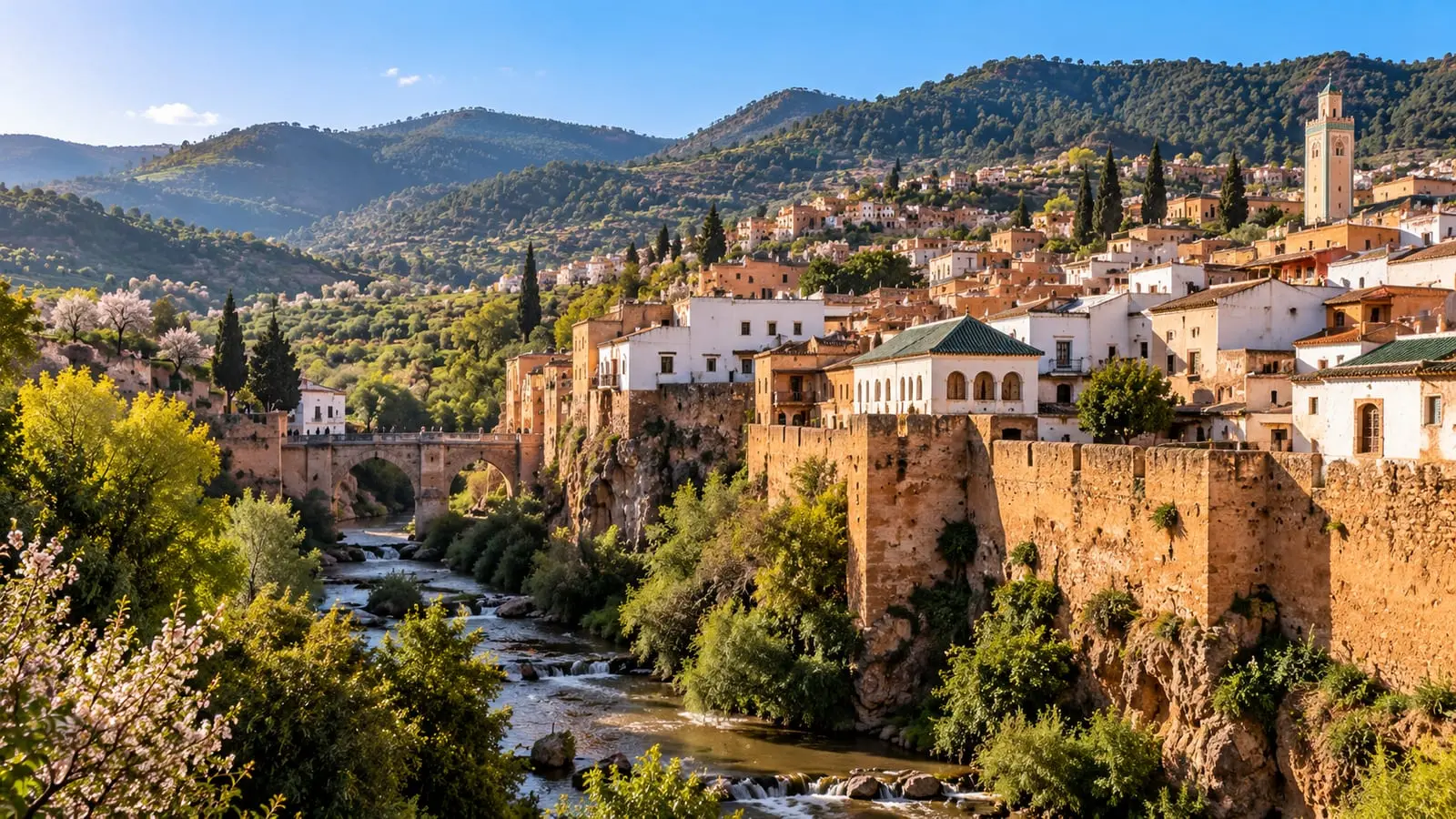
upper Taza and the Taza gap

THE BOOK OF

Taza — All about Taza

تازة

History, places, people, culture and food of Taza, told by two Moroccans.

10 chapters3 min readBy Yassine and Issam
Things to do in Taza
CONTENTS · I
  1. I. At a glance
  2. II. History
  3. III. Key dates
  4. IV. Landmarks
  5. V. People
  6. VI. Culture and traditions
  7. VII. The people
  8. VIII. At the table
  9. IX. Did you know?
  10. X. Frequently asked questions

CHAPTER I

At a glance

Perched above the only corridor between the Rif and the Middle Atlas, Taza has always been the key to the road between eastern and western Morocco. The Almohads made it their first stronghold, and every dynasty had to hold it.

Arabic name
تازة
Other names
Ribat Taza
Coordinates
34.2133, -4.0103
Best months
Apr, May, Sept, Oct

CHAPTER II

History

Ribat Taza of the Miknasa (10th century)

Taza began as a military camp, Ribat Taza, founded in the 10th century by Musa ibn Abi al-Afiya, chief of the Amazigh Miknasa tribe and governor on behalf of the Fatimids. The Miknasa gave it their name, Miknasat Taza, as they had for Miknasat al-Zaytun, today's Meknes.

The name Taza is said to come from "tizi", the pass between two mountains in Tamazight: the town guards the only natural passage between the Rif and the Middle Atlas, on the road from Fes to the east.
Gateway of dynasties (1074-1248)

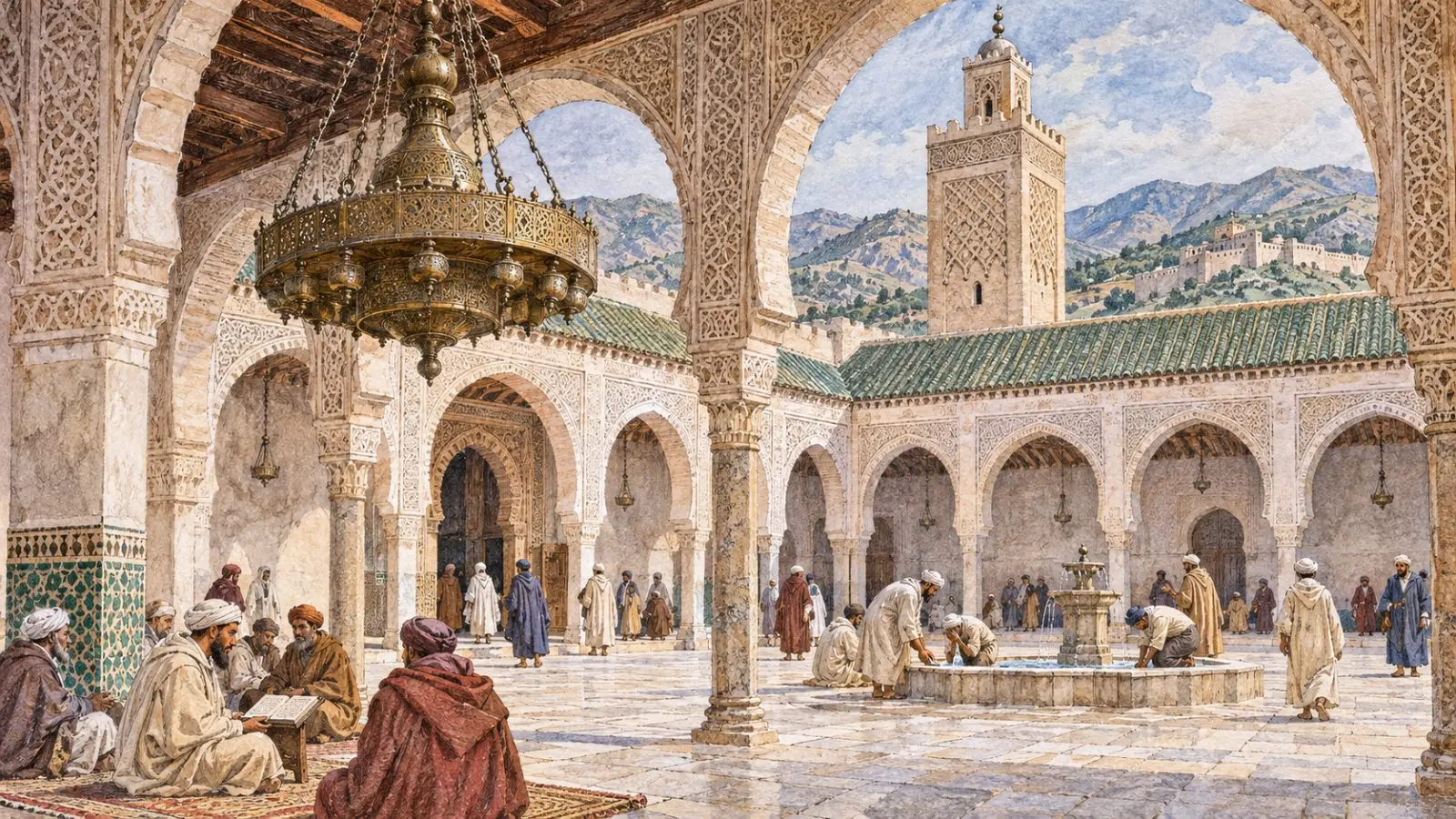
the great mosque of Taza

Because it commands the passage east, Taza was taken by every dynasty that wanted to hold Morocco. The Almoravids seized it in 1074. The Almohads took it as early as 1132, fifteen years before Marrakech, and made it one of their bases; they raised the Great Mosque.

In 1248 the town passed to the Marinids, who enlarged the Great Mosque, gave it a huge bronze chandelier and built a madrasa in the 14th century.

The lock against the Turks, and Bou Hmara

In the 16th and 17th centuries Taza blocked the way for the Ottomans of Algiers seeking to conquer Morocco. In the early 20th century the town was still a major trading centre between Fes and the Algerian border.

In 1902 the pretender Jilali ben Driss, known as Bou Hmara, had himself proclaimed sultan at Taza and held part of the east of the country for several years before being captured in 1909.

Upper and Lower Taza (1914 to today)

French troops took Taza in May 1914, linking the two parts of protectorate Morocco. They built a new town below, Lower Taza, while the old hilltop medina, Upper Taza, kept its walls and monuments.

Today Taza is the capital of a province in the Fes-Meknes region, and the gateway to Tazekka National Park and the Friouato chasm.

CHAPTER III

Key dates

  1. 1135

    The Almohads fortify Taza, the pass between east and west.

  2. 1142

    The Great Mosque is founded.

CHAPTER IV

Landmarks

1

The upper medina

Walls, Bab er-Rih (“gate of the wind”) with its valley view, and the Almohad Great Mosque.

2

The Friouato chasm

One of the deepest caves in North Africa: you go down hundreds of steps into a shaft of light.

3

Tazekka National Park

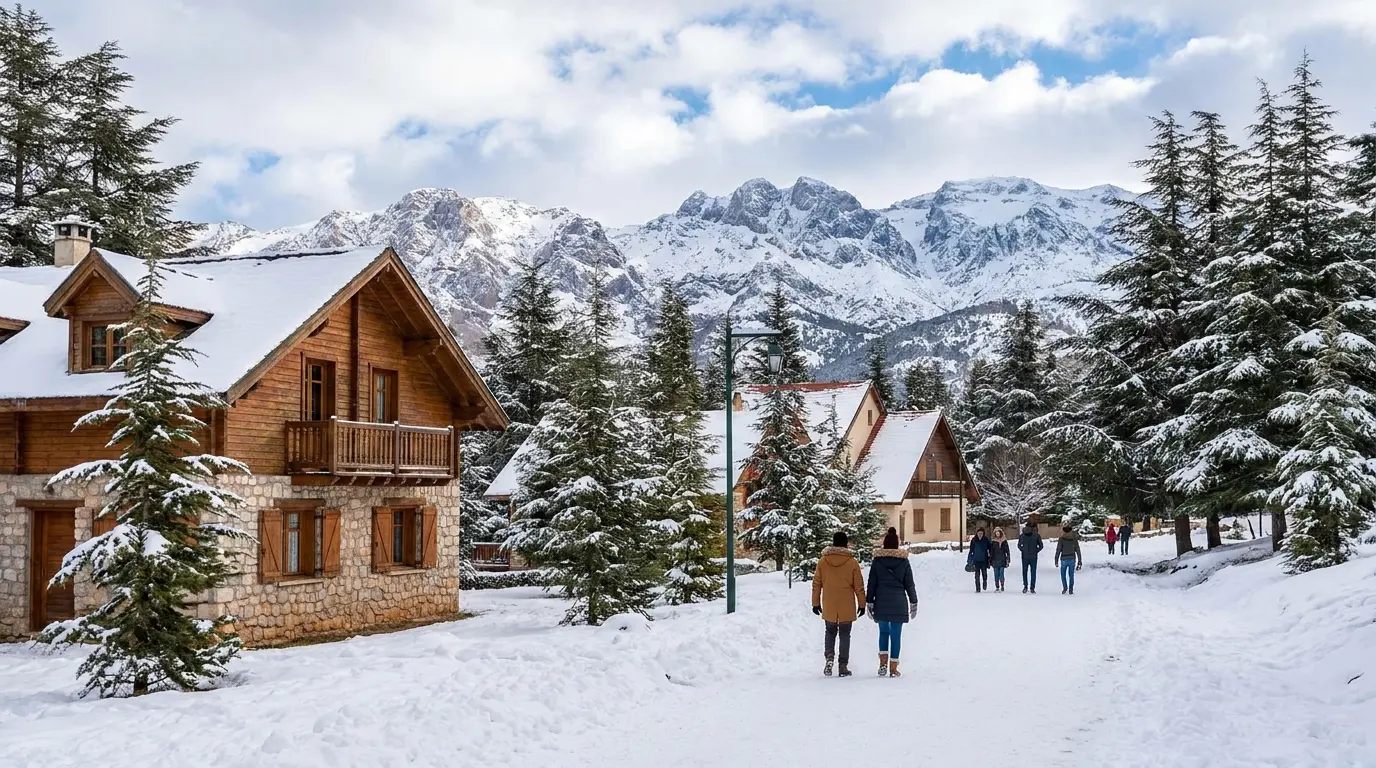
Cedars, cork oaks and the Ras el-Ma waterfall, on a fine mountain loop road.

CHAPTER V

People

  • Abd al-Mumin1094–1163Almohad caliph who took Taza around 1135 and made it the base of his conquest of Morocco.
  • Bou Hmara1860–1909Pretender to the throne proclaimed at Taza in 1902, a symbol of the turmoil before the protectorate.

CHAPTER VI

Culture and traditions

Between two mountains

Taza mixes Rif and Middle Atlas traditions: you hear Tarifit as much as Tamazight and Darija.

Taza has preserved some of Morocco's most ancient musical and craft traditions — the city's embroidery (particularly on household linens and kaftans) is considered among the finest in the Fès-Meknès region. The traditional water management system of the medina (seguia and cistern network built by the Almohads in the 12th century) still partially functions. The Thursday market below the old city is one of the region's most important rural markets.

CHAPTER VII

The people

The people of the gap

Taza guards the only passage between eastern and western Morocco, between the Rif and Middle Atlas. Its people come from the Ghiata, Tsoul and Branes tribes, Arab and Amazigh, and an old townsfolk of Taza Haute.

Between two dialects

Taza darija mixes features of Fes and the Oriental; in the nearby mountains people speak Tamazight.

CHAPTER VIII

At the table

Olives and mountain honeyThe hills of Taza produce olive oil, figs and honey, sold at the souk in the lower town.

CHAPTER IX

Did you know?

  • Taza was a base of the Almohads before Marrakech, in the 12th century.
  • The Friouato chasm goes down more than 200 metres underground.
  • The Great Mosque's bronze chandelier, given by the Marinids, weighs over three tonnes.

Frequently asked questions about Taza

How many days do you need in Taza?

Allow 1–2 days to see Taza without rushing. That is the length we use in our itineraries.

When is the best time to visit Taza?

The best months for Taza are April, May, September and October.

How much does a day in Taza cost?

Per person per day, accommodation included: about $25 on a budget, $60 mid-range and $120 for a luxury stay.

How do you get to Taza?

Trains from Fes (1.5h) and Oujda (3h) stop at Taza — the train station is in the new town, 3km below the medina. CTM buses serve the main coastal cities. Grand taxis run to Fes regularly.

What is there to see in Taza?

The must-sees of Taza: Taza Medina, Grande Mosquée de Taza, Gouffre du Friouato and Jbel Tazekka National Park.

What should you eat in Taza?

To taste in Taza: Khobz, Moroccan mint tea, Oranges with cinnamon and Msemen.

Where should you stay in Taza?

The best areas to stay: Medina (Haute Ville), Ville Nouvelle and Tazekka Road.

Is Taza safe?

Yes, Taza welcomes many travellers every year. The precautions are those of any tourist destination: watch your belongings in crowds, politely turn down unofficial guides, agree on a taxi fare before getting in.

Is Taza good for families?

Yes, Taza is easy to visit with children.

Sources

To go further and check what we write.

Other sources

Read next

THE END

Now go and see Taza.

By Yassine and Issam · Spotted a mistake? Tell us