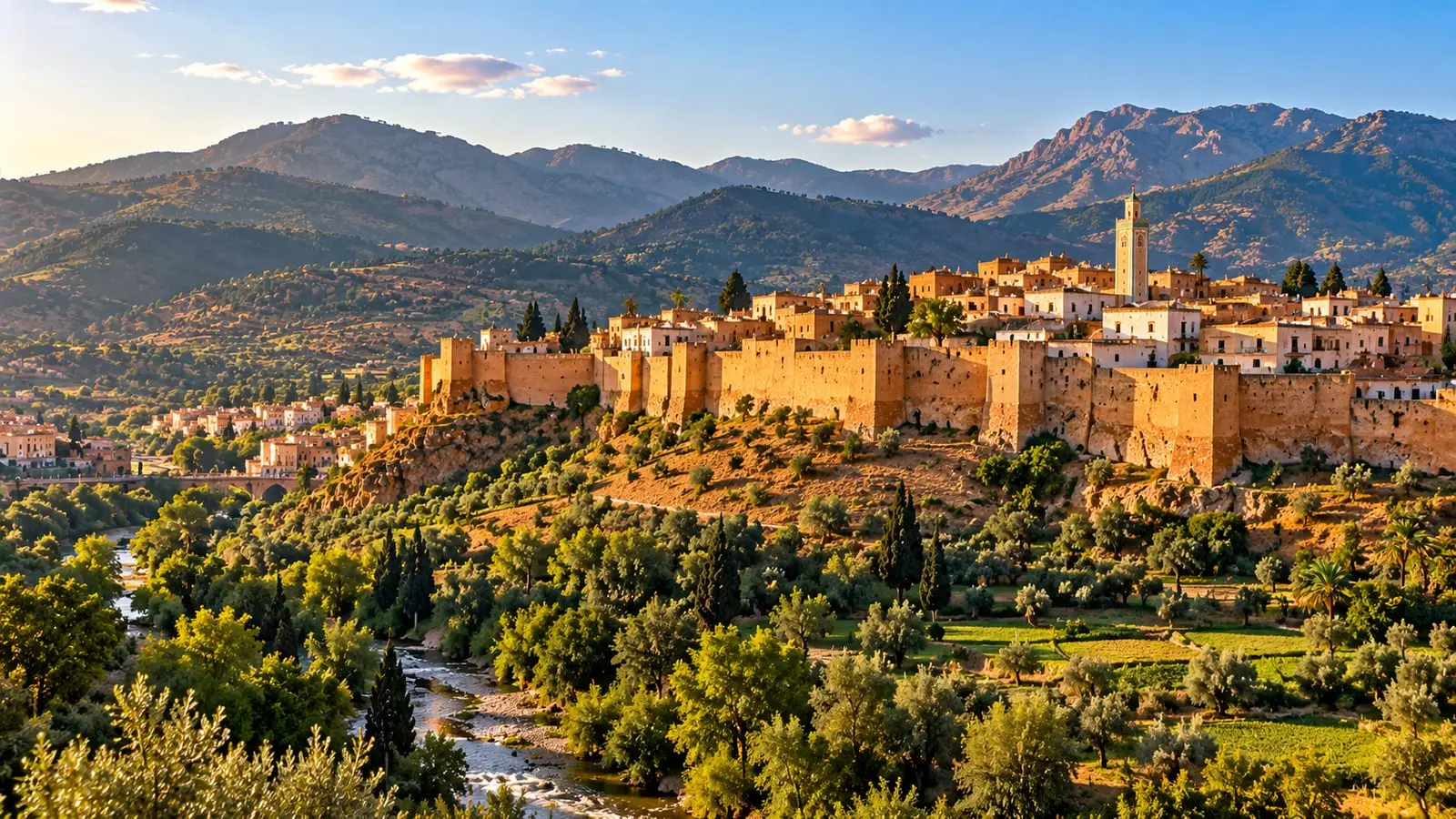
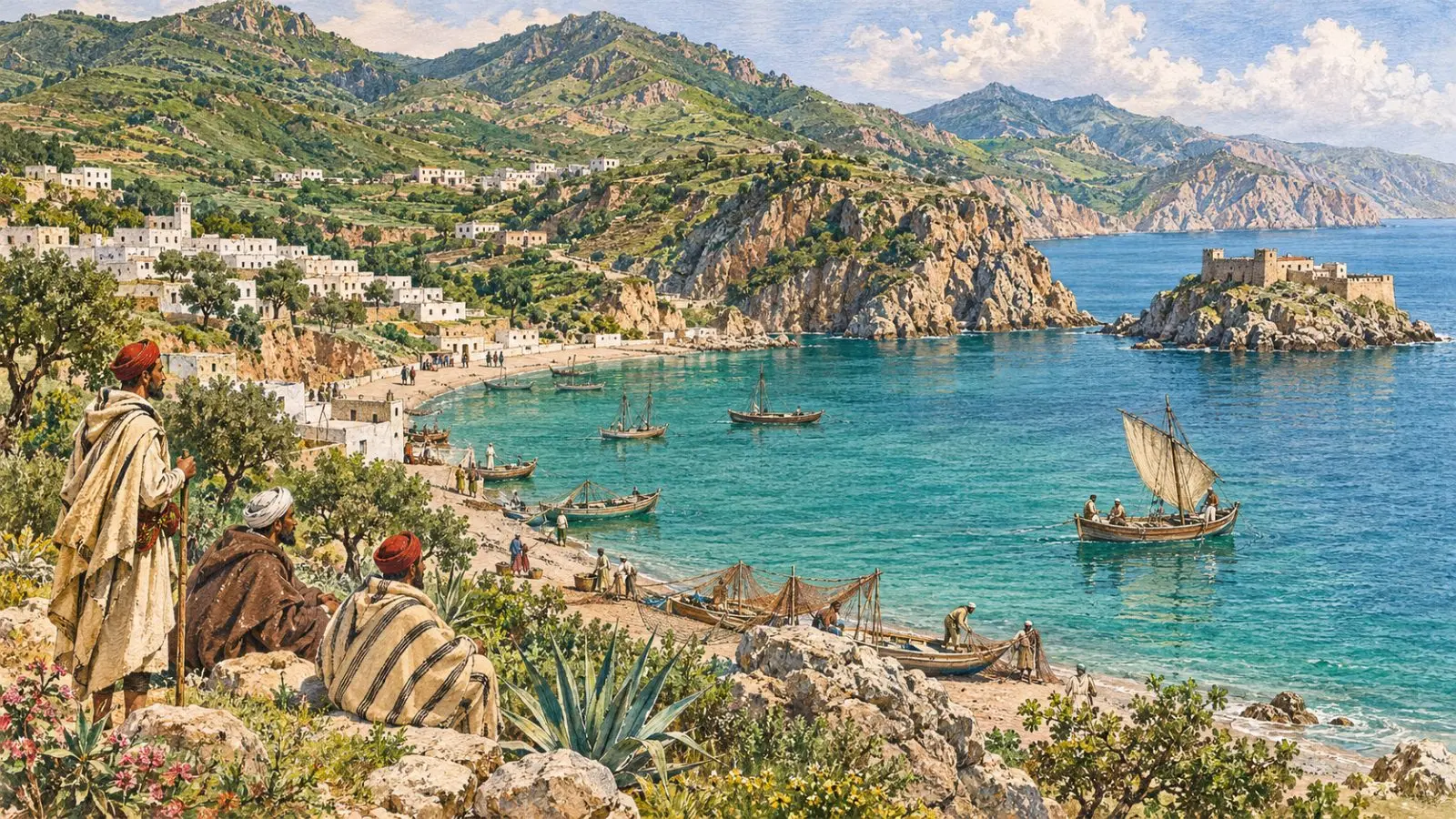
the bay of Al Hoceima and the Peñón islet

THE BOOK OF

Al Hoceima — All about Al Hoceima

الحسيمة

History, places, people, culture and food of Al Hoceima, told by two Moroccans.

10 chapters3 min readBy Yassine and Issam
Things to do in Al Hoceima
CONTENTS · I
  1. I. At a glance
  2. II. History
  3. III. Key dates
  4. IV. Landmarks
  5. V. People
  6. VI. Culture and traditions
  7. VII. The people
  8. VIII. At the table
  9. IX. Did you know?
  10. X. Frequently asked questions

CHAPTER I

At a glance

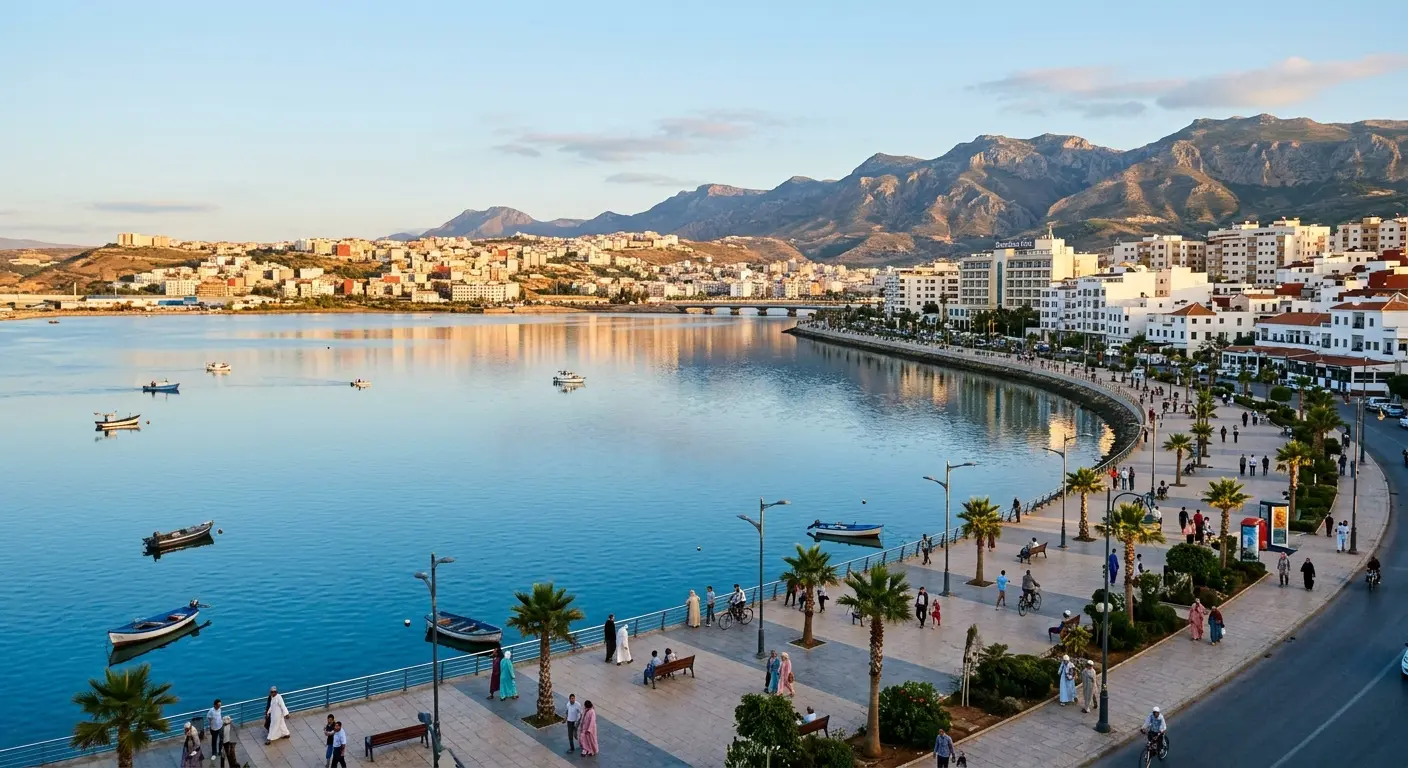
A turquoise bay in the heart of the Rif, Al Hoceima was born in 1926 as a Spanish town, just after the defeat of Abd el-Krim's Rif Republic, whose capital Ajdir lies a few kilometres away.

Arabic name
الحسيمة
Other names
Villa Sanjurjo · Alhucemas
Coordinates
35.2517, -3.9372
Best months
Jun, Jul, Aug, Sept

CHAPTER II

History

The land of the Ait Ouriaghel

Al Hoceima bay lies at the heart of the territory of the Ait Ouriaghel (Beni Urriaguel), the largest Amazigh tribe of the central Rif. Off the coast, the Al Hoceima islets have been held by Spain since 1673 and still are today.

It was in this tribe that Mohammed ben Abd el-Krim al-Khattabi was born, son of a qadi of the Ait Youssef ou Ali clan, at Ajdir, very close to the bay.
Abd el-Krim and the Rif War (1921-1926)

In 1921 Abd el-Krim organised a guerrilla war against the Spanish army, defeated it at Annual and founded the Rif Republic, with Ajdir as its capital. In September 1925 General José Sanjurjo's Spanish army landed in the bay, on Quemado beach, with French support: the Alhucemas landing.

Abd el-Krim surrendered in 1926 and was exiled to Réunion. The Spanish then built the modern town, named Villa Sanjurjo after the general; the first schools and the Spanish church still stand.

From Villa Sanjurjo to Al Hoceima (1956-1960)

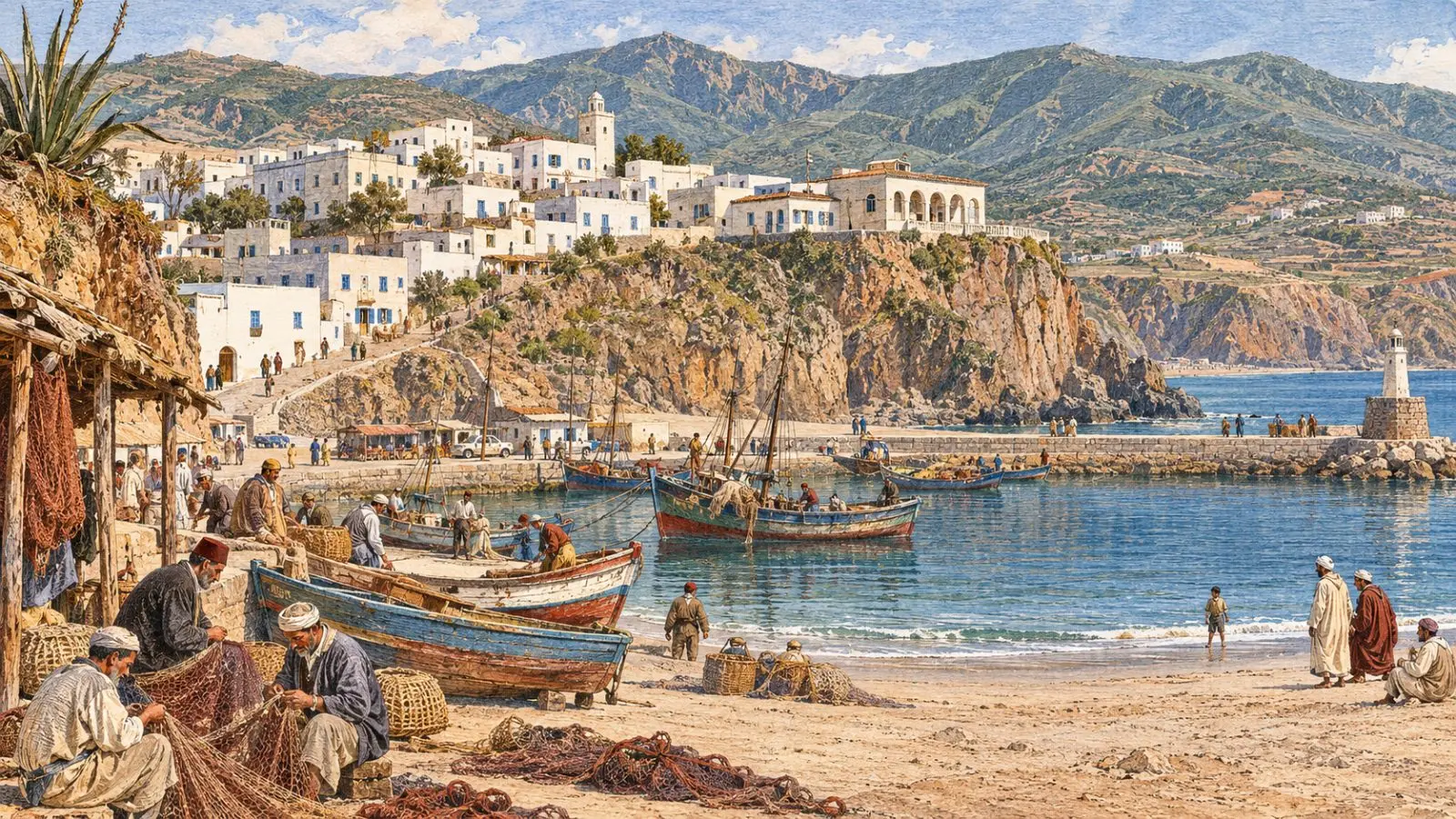
Villa Sanjurjo, a small coastal town

At independence in 1956 the town took its present name, Al Hoceima. The following years were hard for the Rif: in October 1958 the Ait Ouriaghel rose against the central administration, and the army, commanded by Crown Prince Moulay Hassan, intervened harshly in 1958-1959.

In the 1950s and 1960s the town's modest houses were painted white and blue, the colours of sea and sky, which became the town's colours.

Earthquakes and Hirak (1994-2017)

Two earthquakes struck the region ten years apart: on 26 May 1994, then on 24 February 2004, the latter killing more than 560 people in the town and surrounding villages. In 2007 the municipality decided that new houses would again be painted white and blue.

On 28 October 2016 the death of fish seller Mouhcine Fikri, crushed in a rubbish truck while trying to recover his confiscated goods, sparked the Rif Hirak, a broad social protest movement that lasted until summer 2017.

CHAPTER III

Key dates

  1. 1925

    The Alhucemas landing ends the Rif War.

  2. 1926

    The Spanish found the town as Villa Sanjurjo.

  3. 1956

    With independence the town takes the name Al Hoceima.

CHAPTER IV

Landmarks

1

The bay's beaches

Quemado in town, then Isri, Tala Youssef and Cala Bonita: clear water and cliffs, among the finest beaches on Morocco's Mediterranean.

2

Al Hoceima National Park

Limestone cliffs, coves and fishing villages; ospreys can be seen here.

3

Ajdir

Abd el-Krim's home village and former capital of the Rif Republic, on the hill facing the bay.

CHAPTER V

People

  • Abdelkrim el-Khattabi1882–1963Leader of the Rif resistance and victor of Annual, who died in exile in Cairo; admired far beyond Morocco.

CHAPTER VI

Culture and traditions

The Amazigh Rif

Tarifit is spoken here. Many families have relatives in Europe, especially the Netherlands and Belgium, and in summer the town fills up as the diaspora comes home.

The Riffian Amazigh culture is the strongest in Morocco here — distinct dialects (Tarifit), music (ahidous), and women's traditional dress (tarifit costume with red and yellow striped fabrics). Fishing is the economic and cultural backbone. The weekly fish auction at the port is a local institution.

CHAPTER VII

The people

The Riffians

Al Hoceima lies in the heart of Ait Ouriaghel country, a Riffian tribe known for its pride and independent spirit. Many families have relatives who emigrated to Belgium, the Netherlands or Spain and come back every summer.

Tarifit

People here speak Tarifit, the Amazigh language of the Rif, alongside Spanish from the protectorate era. Darija is understood but less spoken than elsewhere.

CHAPTER VIII

At the table

Fish from the bayAl Hoceima's port is known for Mediterranean fish and seafood, grilled over charcoal the same evening.

CHAPTER IX

Did you know?

  • Abd el-Krim al-Khattabi, leader of the Rif War against Spain and France (1921-1926), came from nearby Ajdir.
  • Under the Spanish protectorate the town was called Villa Sanjurjo.
  • Al Hoceima National Park protects one of the Mediterranean's last wild coastlines, home to the osprey.

Frequently asked questions about Al Hoceima

How many days do you need in Al Hoceima?

Allow 2–5 days to see Al Hoceima without rushing. That is the length we use in our itineraries.

When is the best time to visit Al Hoceima?

The best months for Al Hoceima are June, July, August and September.

How much does a day in Al Hoceima cost?

Per person per day, accommodation included: about $35 on a budget, $80 mid-range and $180 for a luxury stay.

How do you get to Al Hoceima?

Cherif Al Idrissi Airport (AHU) with seasonal European flights. CTM bus from Fes (5h), Nador (2h). The Rif mountain drive from Chefchaouen (3h) is spectacular.

What is there to see in Al Hoceima?

The must-sees of Al Hoceima: Al Hoceïma National Park, Cala Iris beach, Iles d'Al Hoceïma and Quemado beach.

What should you eat in Al Hoceima?

To taste in Al Hoceima: Khobz, Moroccan mint tea, Oranges with cinnamon and Msemen.

Where should you stay in Al Hoceima?

The best areas to stay: Ville center and Port area.

Is Al Hoceima safe?

Yes, Al Hoceima welcomes many travellers every year. The precautions are those of any tourist destination: watch your belongings in crowds, politely turn down unofficial guides, agree on a taxi fare before getting in.

Is Al Hoceima good for families?

Yes, Al Hoceima is easy to visit with children.

Sources

To go further and check what we write.

Other sources

Read next

THE END

Now go and see Al Hoceima.

By Yassine and Issam · Spotted a mistake? Tell us